Continuing our look at what the individual Beatles were up to in the short but fascinating (to me at least) gap between finishing the White Album (October 17, 1968) and regathering to begin the “Get Back” project (January 2, 1969). In the last entry, we checked in with Ringo and George. We will now carry on with Paul and John.
Paul…
Like John, Paul at this time was in the throes of a new and rapidly deepening relationship. For the last three weeks of White Album recording, he had been sharing his home with a blonde New York native named Linda Eastman.
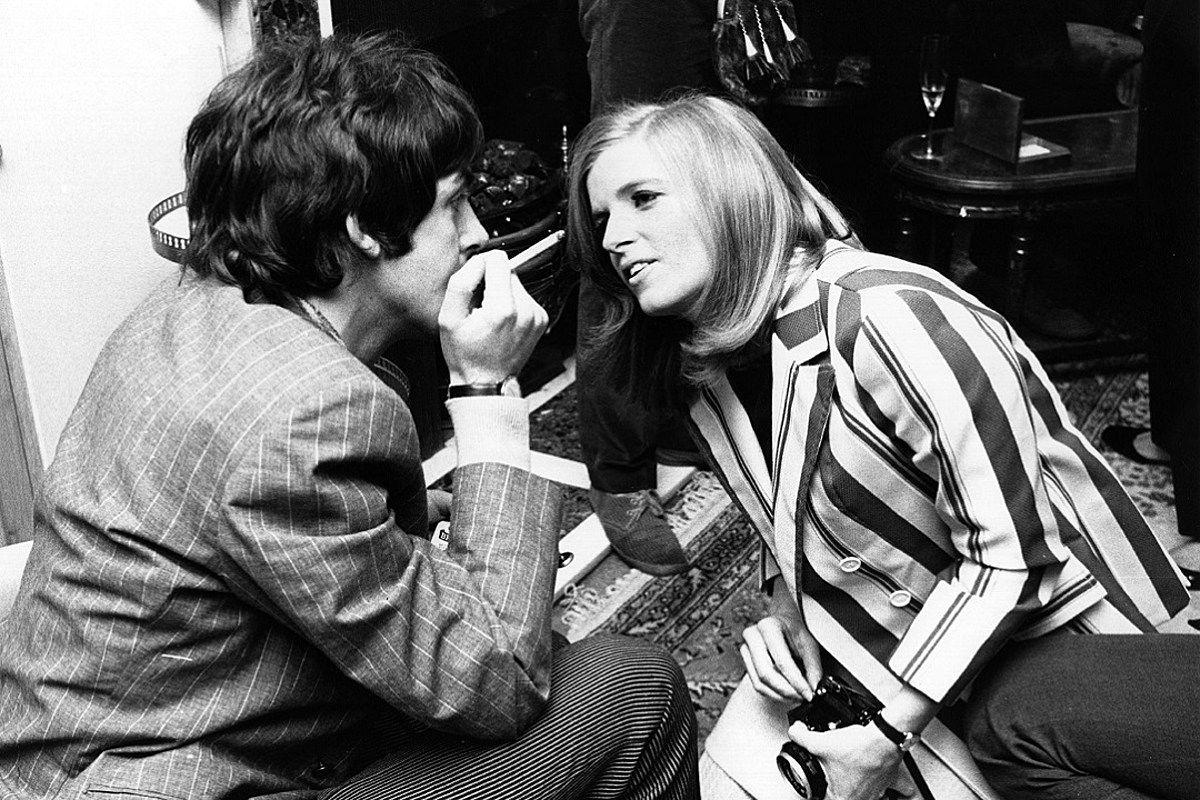
Paul first met Linda on May 15, 1967 at the Bag O’Nails nightclub in London. Linda, a divorcee with a young daughter, had been making a name for herself as a rock photographer, and was in London working on a glossy photo book, Rock and Other Four-Letter Words. She knew Brian Epstein’s assistant, Peter Brown, socially from his frequent trips to New York. When she came to London, she looked up Brown who, in turn, introduced her to Paul. Four days later, on May 19, she finangled an invitation from Brown to attend the exclusive launch party of Sgt. Pepper’s Lonely Hearts Club Band at Epstein’s luxurious Belgravia flat, where she took several photos, and was photographed herself, deep in conversation with Paul.
Linda returned to the U.S. and a year passed…John and Paul traveled to New York in mid-May 1968 for a series of interviews and publicity appearances to formally introduce their media company, Apple, to the American press. Linda was in attendance at the May 14 press conference at the Americana Hotel. She managed to slip Paul her phone number on the only bit of paper she could come up with — a blank check. He called her the next day so she could accompany the two Beatles’ entourage on the limo ride to the airport. Paul returned to the U.S. the following month to handle some more Apple business in Los Angeles. He invited Linda to fly across the country and join him for a few days, which she promptly did. When Paul returned to London on June 25, the White Album sessions had finally begun in earnest after a fitful start.
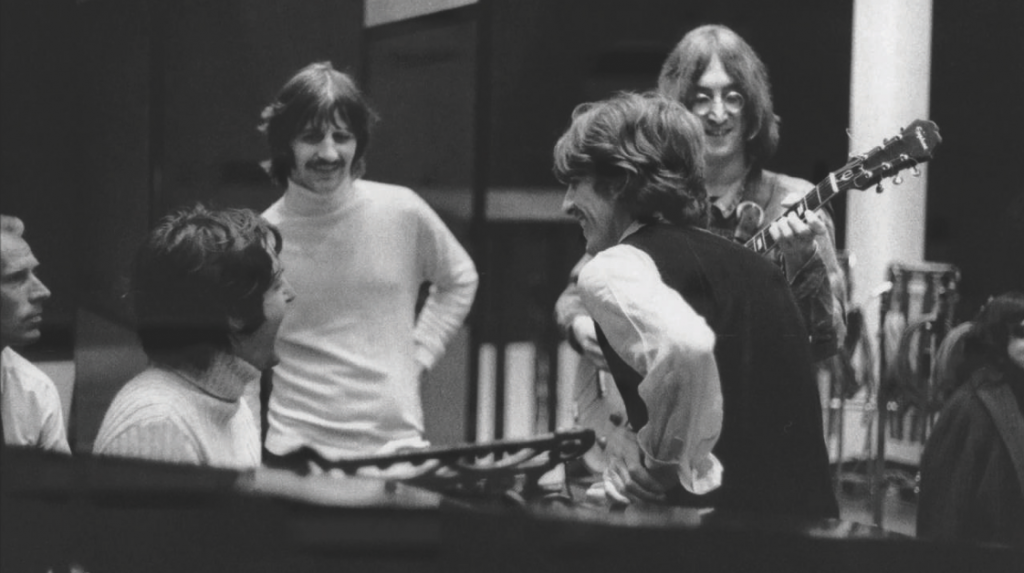
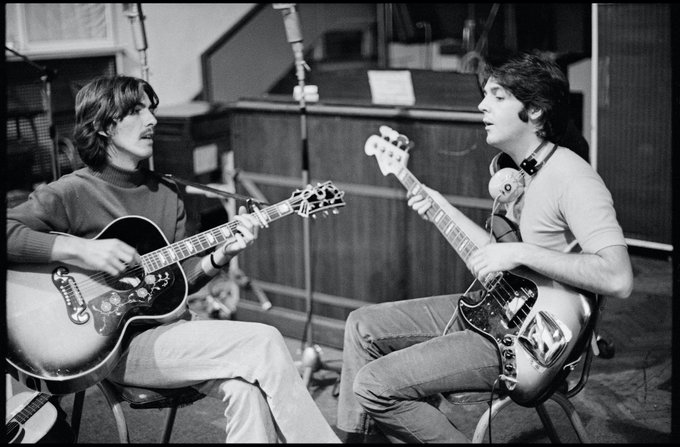
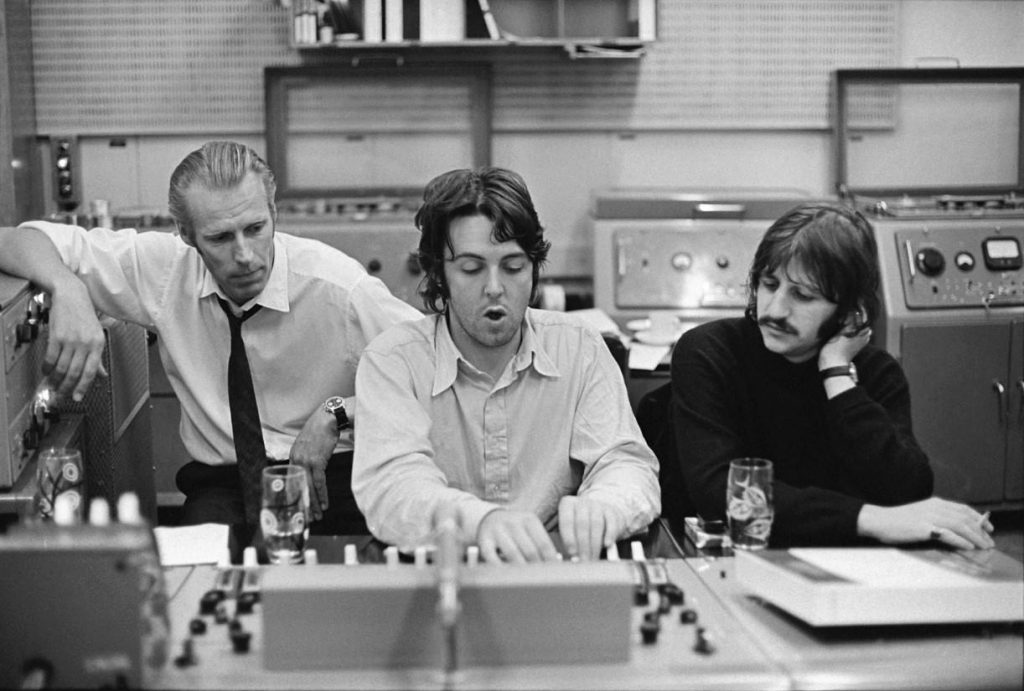
Paul had numerous flings and was seen with a variety of girlfriends that summer (his long-time, on-and-off relationship with actress Jane Asher was by then permanently off), but he admitted his mind kept drifting back to the groovy, laidback blonde photographer, who loved animals, rock music, and marijuana, all things close to his own heart. She came from a wealthy family, so she wasn’t interested in his money. He felt relaxed around her in a way he felt with no one else. As his relationship with the other Beatles became a little strained, he made a decision. He broke things off with all the other girls he had been seeing and summoned Linda to London — to stay with him permanently. When she arrived at his home at 7 Cavendish Avenue on September 23, 1968, she was told Paul wasn’t at home — he was at Abbey Road (a short walk away) working with the Beatles on the track “Happiness Is A Warm Gun.”
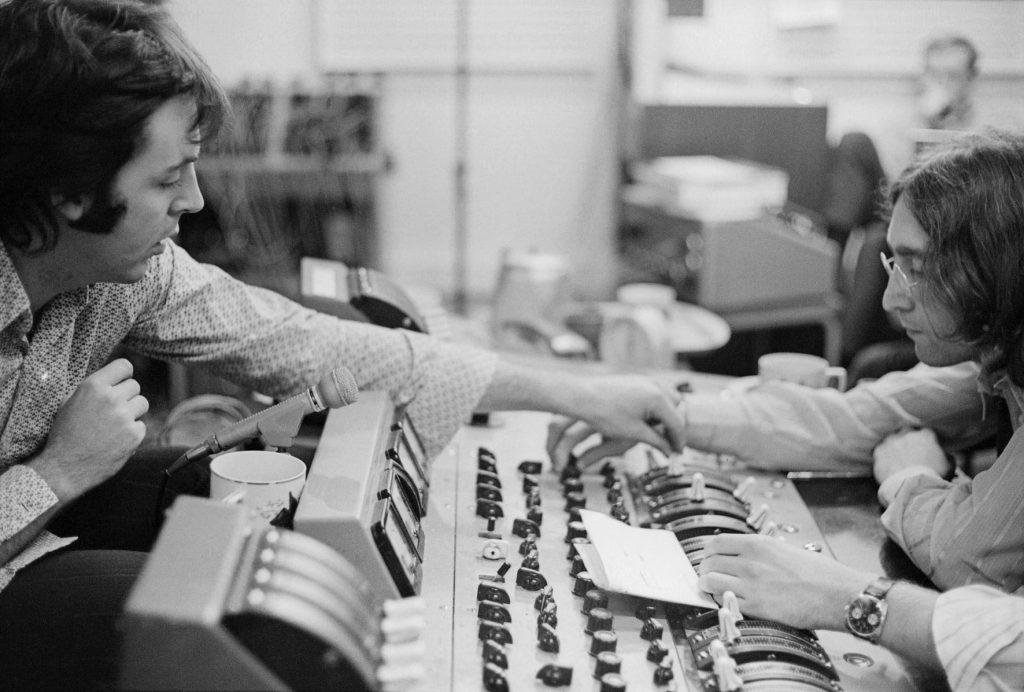
“Happiness Is A Warm Gun,” September 23-24, 1968
She headed over to the studio, and pulled out her ever-present camera to capture the band at work. The following night’s session ended around 2:00 am. The fans that always gathered around his home’s front gates remember that it was a warm night, and Paul was so happy that he serenaded them with “Blackbird” from his open upstairs window.
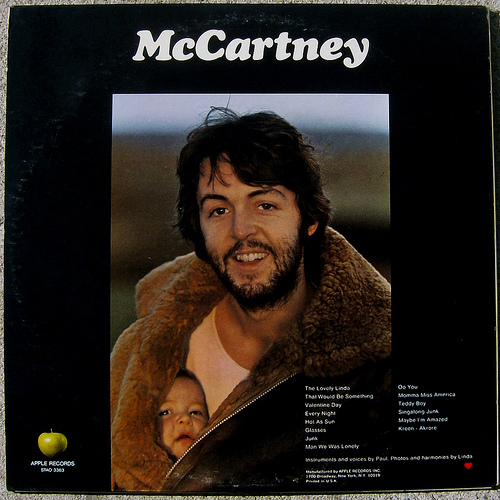
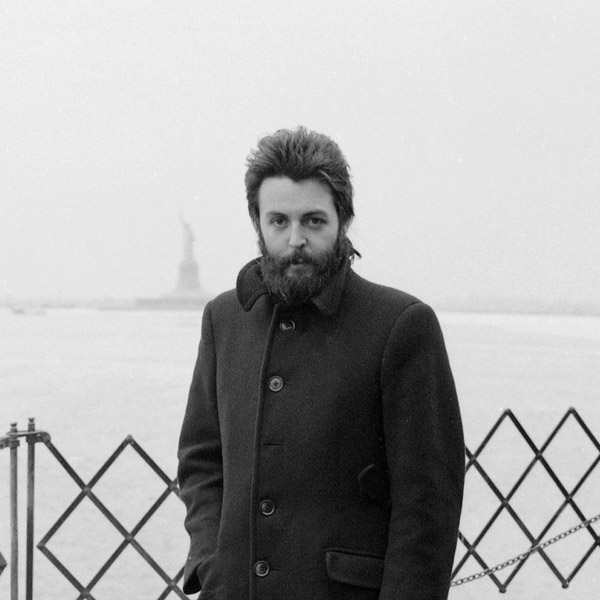
On October 20, 1968, three days after the White Album was finished, Paul and Linda flew back to New York so Paul could meet Linda’s daughter, Heather (almost six years old), for the first time, and to begin transferring their lives from Manhattan to London. As the couple packed up all of her belongings and made the multitude of other arrangements such a move would necessitate, they lived a simple life at Linda’s soon-to-be empty apartment on East 83rd Street. They wandered the city on foot and by subway. Paul bought an old Army overcoat, and began growing the lush black beard that would earn compliments at the start of the “Get Back” sessions, and would be admired by Beatles fans to this very day, despite the brevity of its existence. (It was shaved off as soon as the sessions were over, right around the time John began growing out his. They practically traded facial hair in February ’69. The McCartney Beard returned the next autumn, and then off and on through early ‘71. Apart from a few unfortunate mustache dalliances between ‘74 and ‘79, he’s been clean-shaven, publicly at least, ever since.) Many New Yorkers doubtlessly recognized him, but they were too cool and sophisticated to bother him, so he could wander the city unmolested. Song fragments that reflected his upbeat mood began rattling around his head. “Out Of College” and “One Sweet Dream” would eventually make up two of the three sections of the mini-medley “You Never Give Me Your Money” on Abbey Road, and “I’ve Got A Feeling” would soon be blended with a composition of John’s.
The newly-minted family unit returned to London on October 30 (after an overnight visit to Jamaica).
Of all the Beatles, Paul was the only one who chose to make his main residence in the middle of London. But when he finally acquired a country retreat in 1966, it was really a retreat. High Park Farm in Scotland was as remote from London and the hassles of Beatlemania as you could get in the British Isles — almost two hundred acres on the western Highlands peninsula known as Kintyre, centered around a three-room stone cottage with a tin roof, no heat apart from the iron cooking range and a couple of hearths, and no running water.

The High Park Farm cottage as it appeared in the late 1960s. At least there were some primitive electrical lines.
Paul, Linda, and Heather made the trip to High Park Farm on November 5. Conditions were so primitive — Paul had made his own furniture out of scrap wood and potato boxes — that any visit there was basically a camping trip. According to one biographer’s account, nature-loving Linda’s enthusiastic embrace of the place “resolved any lingering doubts Paul may have had about commitment and monogamy.” The trio stayed for two weeks, rambling around the property, which included the remains of a prehistoric hill fort, an ancient standing stone, burns and streams, a herd of sheep tended by hired locals, and a healthy population of rabbits and foxes. From nearby Ranachan Hill, the coast of Ireland was visible on a clear day.
Paul was back in London by November 20 to record an in-depth interview for Radio Luxembourg to promote the imminent release of the White Album. Paul & Linda continued to be free spirits, taking day trips out of London, refusing to look at road signs and trying deliberately to get lost. This led to Paul writing “On Our Way Back Home” (later to become “Two Of Us”), which, along with “I’ve Got A Feeling,” would be a highlight of the early “Get Back” sessions.
In late November, Paul invited director Michael Lindsay-Hogg, at that point already in pre-production for a Rolling Stones TV special, to a meeting at Apple, where he offered him the job of directing the film of the “Get Back” concert and its attendant rehearsals in January. Paul and Lindsay-Hogg continued to meet intermittently for the rest of the year, although it’s clear from the conversations in the Get Back documentary not much was resolved ahead of time. (In his memoirs, Lindsay-Hogg remembers all four Beatles attending most of these meetings, but the historical record shows this is highly unlikely, if not a total impossibility. Take memoirs written decades after the fact with a huge grain of salt.)
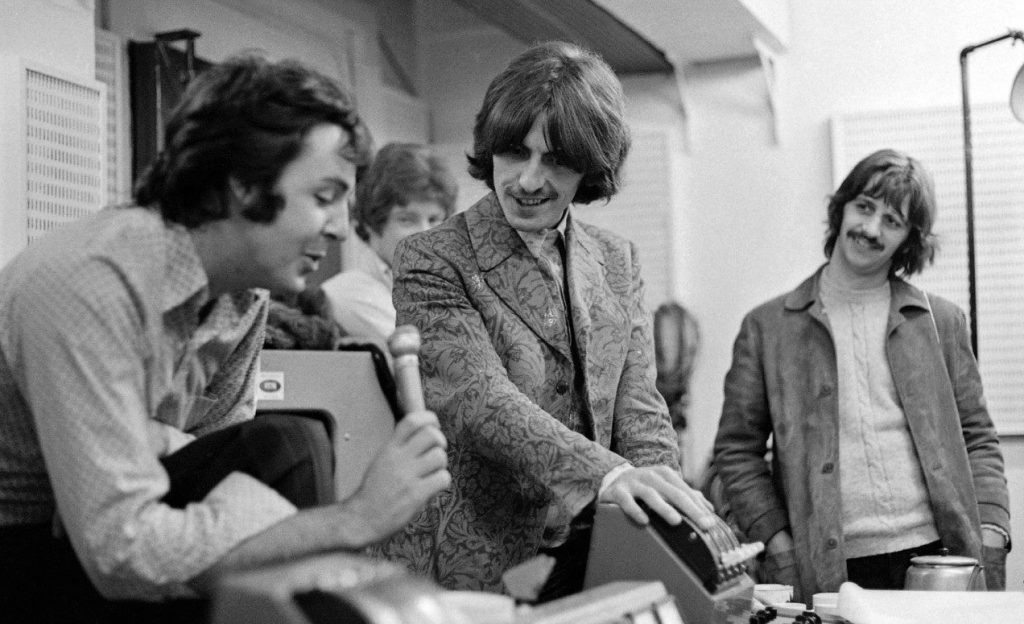
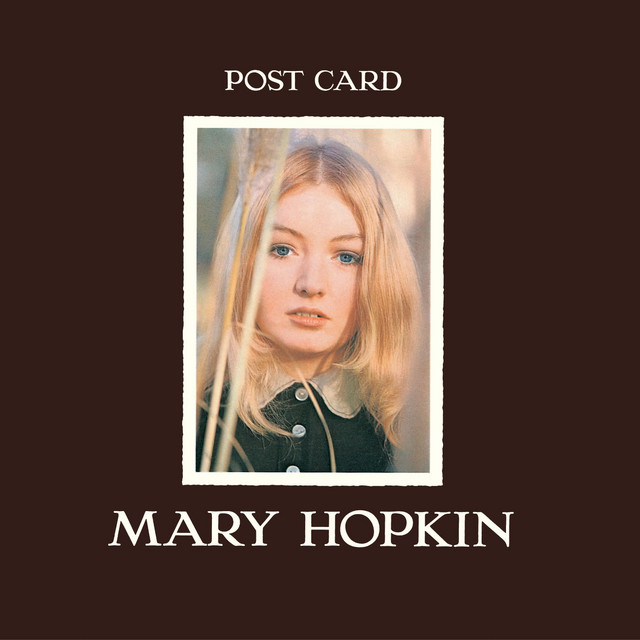
Beginning on November 22 and running through early December, Paul busied himself producing the first album of his own Apple discovery, Welsh folk singer Mary Hopkin, whose McCartney-produced debut single from August, “Those Were The Days,” topped the British charts. The collection of songs chosen for the album was a mix of old standards and some new originals penned by the likes of Donovan and Harry Nilsson. Paul played on a couple of tracks, but mostly kept himself in a supervisory role up in the studio control room. It is also likely that he taped his message for the Beatles’ Christmas fan club disc during these sessions, busking on an acoustic guitar and improvising some holiday-themed lyrics. The resulting album, Post Card, came out in February 1969, reaching #3 on the U.K. charts.
Glyn Johns, an experienced and respected recording engineer who had worked frequently with The Rolling Stones, remembers Paul contacting him in early December to hire him for the “Get Back” sessions, since they wouldn’t be using the EMI Studios at Abbey Road (or its engineering staff) for the project.
With the Hopkin album wrapped, on December 11 Paul and family flew to Portugal on the spur of the moment to stay with writer Hunter Davies, whose authorized biography of the band had just been published. Davies had invited them via postcard to his villa in Praia da Luz in the southern coastal region known as the Algarve. Linda had recently discovered she was pregnant, and during their time in Portugal they made the decision to get married early in the New Year. They stayed with Davies through December 21.
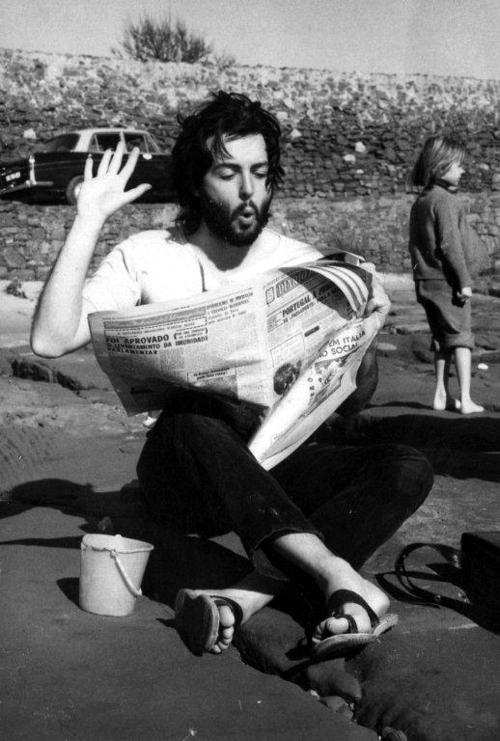
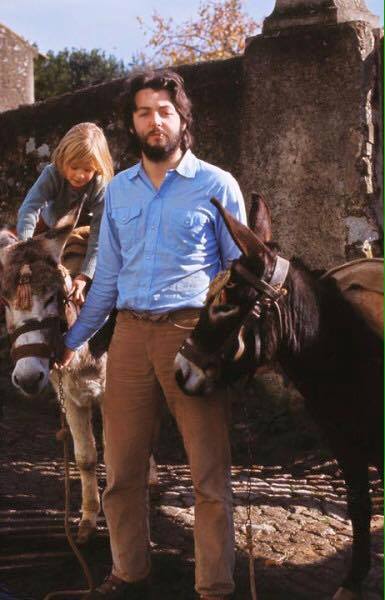
Paul in Portugal, December 11-21, 1968
Paul, Linda, and Heather spent Christmas with Paul’s father, Jim, and his step-mother and step-sister at the house Paul had bought for them (called “Rembrandt”) in the village of Gayton, near Liverpool.
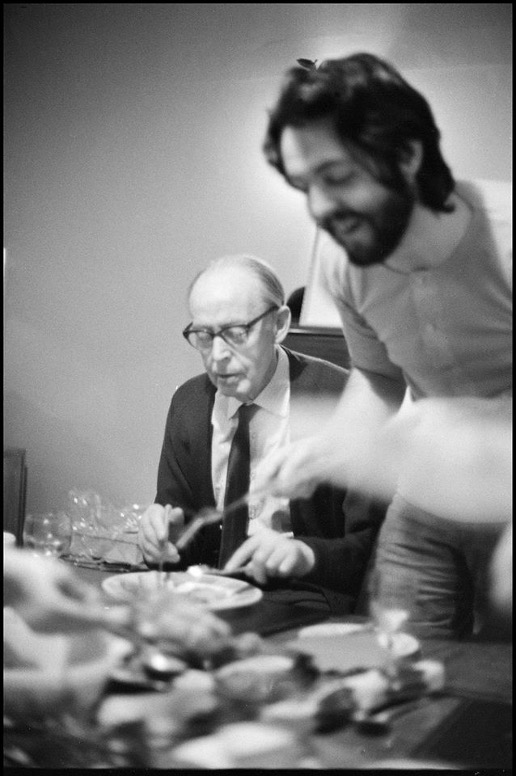
Paul with his dad Jim, Christmas 1968
John and Paul met up at one or another’s house at least once in late December, just before the “Get Back” sessions began, and worked out some rough song arrangements ahead of time. When they arrived at Twickenham on January 2, their two separate compositions, “I’ve Got A Feeling” and “Everyone Had A Hard Year” had already been combined into one song.
In Beatles News…
The Beatles, a double album consisting of thirty tracks recorded between May 30 and October 14, hit store shelves on November 22, 1968. Its blank white cover with a slightly crooked, faintly embossed title was intended as a direct contrast to the colorful psychedelia of Sgt. Pepper’s Lonely Hearts Club Band and caused the album to immediately be re-christened by the public as “The White Album,” and its actual title was almost never used thereafter. The cover (and the photo collage poster included inside) was designed by artist Richard Hamilton. The first few million pressings of the LP were also individually numbered. (Ringo snagged #000001.) It reached number one on the album charts by December 7, where it remained for seven weeks. (It was still number one when the “Get Back” sessions began.)
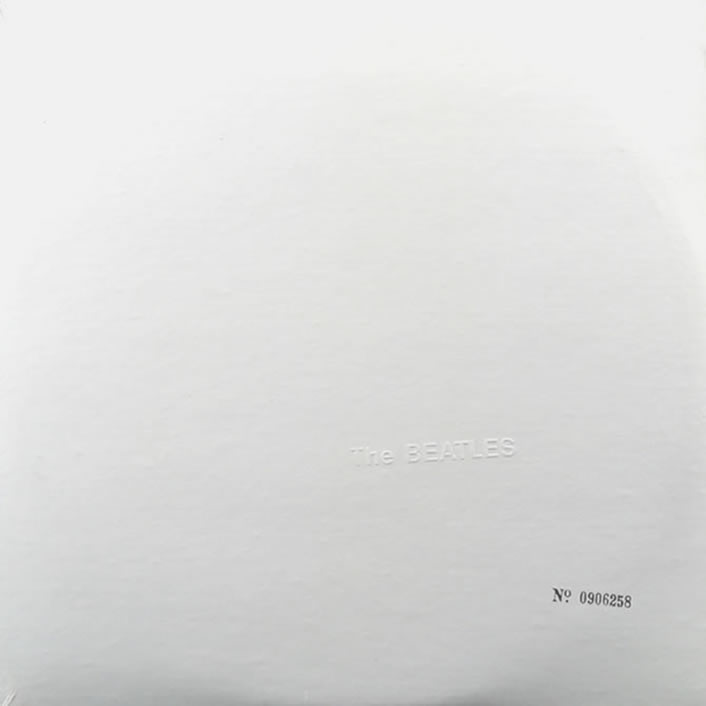
In the midst of the promotional push for the White Album (which the Beatles themselves did little for, apart from a few radio interviews), Apple’s search for a proper concert location for the “Get Back” project continued. “We’ll say what we want, then find out if we can,” is how Apple press officer Derek Taylor summed up Apple’s underlying philosophy regarding the project (and most things).
Continue reading

































 Holy Bee of Ephesus