March 5, 1770…“That little twerp*,” Private Hugh White must have been thinking as he observed a wigmaker’s apprentice — a boy all of thirteen named Edward Garrick — accosting one of White’s senior officers, Captain John Goldfinch, about a past-due payment for barbering services owed to the boy’s employer. Goldfinch (technically a “captain-liuetenant”), who had actually settled the debt the day before, tried to laugh it off and continue on his way up King Street, but the lad wasn’t having it. He and his fellow apprentice, Bartholomew Broaders, blocked Goldfinch’s path, and Garrick even rammed his finger into Goldfinch’s chest, accusing him of thievery in the most colorful language his adolescent mind could concoct as his breath puffed visibly in the frigid late winter air. An officer and a gentleman, Captain Goldfinch simply stepped around the bothersome boy and headed for “Murray’s barracks,” an abandoned distillery converted into housing for British troops a few blocks away. Trouble was currently afoot between a group of unruly citizens and the soldiers posted there.
Garrick continued his nasty tirade even after Goldfinch was out of earshot. Private White was on guard duty in a small sentry box near the entrance of Boston’s Custom House and had been talking with barmaid Jane Crothers about the escalating mess at the nearby barracks when he finally had enough of Garrick’s mouth. Freezing cold and insulted on behalf of his captain, White was in no mood to let this low-class child get away with that kind of behavior. He approached Garrick, barked something about respecting your betters, and gave the little twerp a supremely satisfying crack upside the head with the butt of his musket.
This would not end well…
Back for a moment to the Puritans, who were never comfortable with using the word “church” in reference to a building. They felt it gave an inherent holiness to an inanimate structure, an idea they did not care for. To them, the true “church” was the congregation, the people. Congregationalists met in a “meeting house.”
So the First Church in Boston was established along with the city itself in 1630, and its meeting house settled in on Cornhill, just up the road from the Hutchinson residence (see previous entry). The Second Church was established in Boston’s North End in 1649 to handle the city’s increasing population. The Third Church was established in 1669 by a few dozen breakaways from the First Church due to another one of those quibbles over a microscopic question of religious doctrine that seem incredibly stupid to anyone outside of the belief system. A debate over the proper amount of water used in a baptism caused several members of the First Church to completely lose their shit and set up a whole new congregation. The Third Church met in a cedar wood meeting house at the intersection where Cornhill became Marlborough Street on its way south. It was in this building that Benjamin Franklin was baptized, and attended services as a young boy.
The site of the house where Franklin was born in 1706 is just around the corner. The original address was 17 Milk Street, and the house itself was destroyed by fire in 1811. Maybe the lot stayed vacant, or perhaps a few other buildings came and went until its current occupant, the Boston Post Building, was built in 1874. The Post Building was refurbished in 1930, and a bust of Franklin along with an inscription was added to the facade of the building between the second and third floors.
The Boston Post Building, site of Benjamin Franklin’s Birthplace
The cedar meeting house was eventually torn down, and replaced with #8. Old South Meeting House in 1729. At the time of the American Revolution, it was the largest building in the city of Boston. It was diagonally across the road from the Hutchinson house/Old Corner Bookstore, and still within spitting distance of their estranged brethren in the First Church.
We will briefly return to the Old South Meeting House in a future entry, but now let’s reverse our steps and head back north past the Old Corner Bookshop.
The Old South Meeting House (former home of the Third Church of Boston)
The former home of Anne Hutchinson is only one of many structures lost in the Great Boston Fire of 1711. As it burned its way up to where Cornhill (now Washington Street) met King Street (now State Street), the conflagration also took down the meeting house for the First Church of Boston. The First Church meeting house was quickly re-built in brick, and was used until 1808, when the congregation re-located and the “Old Brick” was demolished. On the site today is the massive modern skyscraper called One Boston Place, the 7th tallest building in the city.
The First Church of Boston (“Old Brick”), 1712-1808
One Boston Place casts its shadow over the location of another victim of the 1711 fire — the “Old Town-House” on King Street.
“The King’s great matter” it was called back in the late 1520s, a time when the Catholic Church was still the only church in England (although the Protestant movement was already well underway on the Continent)...
Even people who aren’t history nerds know about King Henry VIII and his multiple (i.e., six) wives. He burned through his last five wives in the final fifteen years of his life, but his first marriage lasted almost 24 years. Henry VIII of England and Catherine of Aragon had a complicated relationship to say the least.
To begin with, she was Henry’s brother’s wife first. Old Henry VII had arranged a marriage between his eldest son Arthur, the heir apparent, to the Spanish princess for her 200,000-ducat dowry. The pair were married when both were 15 years old, then Arthur fell ill and croaked eight months later. Catherine of Aragon was a widow at 16, and reported to everyone within earshot that the marriage had never been consummated. (Consummation of a royal marriage was considered a matter of state and certainly open for discussion by just about anyone.) And Henry VII definitely did not want to send back that 200,000 ducats. So he kept Catherine as his “guest” for several years until his second son, young Henry, was old enough to marry — even though it was expressly forbidden by religious law for a man to marry his brother’s wife. Still, 200,000 ducats was 200,000 ducats. A special dispensation had to be finagled out of the Pope based on the non-consummation of Arthur and Catherine’s marriage, and wedding plans went ahead.
Believe it or not, this is what Henry VIII looked like on his first wedding day in 1509
On June 11, 1509, Catherine of Aragon, 23, married Henry, not quite 18. There was an empty chair at the ceremony as King Henry VII had died two months before. Catherine was marrying the new King of England, and the whole nation was waiting with bated breath for them to hurry the hell up and procreate already…
For the next decade or so, poor Queen Catherine produced a string of infants who were either stillborn or lived a few days or weeks at most. The lone exception was the future Queen Mary I…most decidedly not a male heir, which was what Henry believed he needed to secure the still-new Tudor dynasty’s future.
By 1525, Catherine was nearing 40 years old, and while it was still theoretically possible she could give birth to a healthy child, the reality was her track record of problematic births combined with her age meant that she was pretty much done with the whole reproduction thing. And her younger husband was clearly and publicly infatuated with one of her ladies-in-waiting, Anne Boleyn. Henry had already scored with her sister Mary, but Anne was proving a much tougher nut to crack (so to speak), refusing to pay a visit to the royal bedchamber without being properly married.
Thus began the “King’s great matter.”
This painting is called “The Courtship of Anne Boleyn” — the details speak for themselves
Henry set about securing an annulment of his marriage to Catherine. He either believed, or told everyone he believed, that his marriage to her was cursed (and invalid in the eyes of God) because it violated the rule from the Book of Leviticus about marrying your brother’s wife. The special dispensation that allowed the marriage in the first place was now allegedly based on a mistruth — Henry avowed that Arthur and Catherine, being typical horny teenagers, did in fact consummate the marriage, and Catherine was a lying liar.
It was His Royal Majesty’s word against Catherine’s (who swore for the rest of her life she had never bedded down with Arthur). But even being a sovereign monarch, it would be difficult if not impossible to secure an annulment from the current Pope, Clement VII. At that time, the Pope was being held prisoner by Catherine’s nephew, Charles, who was doing double duty as King of Spain and as Holy Roman Emperor (and coping with the various infirmities and deformities caused by generations of enthusiastic in-breeding within the Habsburg dynasty). The Pope did not want to wreck his chances of release by booting his captor’s aunt out of her royal marriage, so the pleas from Henry’s messengers and letters fell on deaf ears. (If Charles had a verbal response, it likely would be incomprehensible and accompanied by a spray of saliva due to his enormous deformed lower jaw, referred to euphemistically as the “Habsburg lip.”)
The highest-ranking church official in England was (and remains) the Archbishop of Canterbury, who at the time was Thomas Cranmer, a Boleyn family friend and very recently an employee of the royal government, as England’s ambassador to none other than the aforementioned Charles. (One hopes he carried a good supply of handkerchiefs with him.) Henry pivoted to the Archbishop instead of the Pope to settle his great matter, and Cranmer took about ten seconds to review the case and said “Yup, your current marriage is invalid.” That was enough for Henry to marry Anne Boleyn in a secret ceremony in 1532. Catherine was stripped of her title of queen, and “banished” to a country life in retirement as “princess dowager” (based on her marriage to Arthur) with an ample allowance and a small army of servants, still loudly insisting she was Henry’s lawfully wedded wife. A more comfortable “banishment” cannot be fathomed, but I see her point. From this point on, when he mentioned her at all, Henry referred to Catherine as his beloved older “sister.” Anne Boleyn gave birth to the future Queen Elizabeth I in 1533, but no son.
Seeing that he had defied the Pope and not been struck down by a bolt of lightning, Henry spent the next year pushing a series of acts through Parliament that cut ties with the Catholic Church in Rome and established the independent “Church of England,” or Anglican Church.
Theologically, this was part of the Protestant Reformation that swept through Europe in the 1500s, setting up a variety of non-Catholic Christian churches, but the Anglican Church in Henry’s time still bore a striking resemblance to the Catholic Church. The only substantial difference was the king was in charge instead of the Pope.An entirely “new” religion was created pretty much out of pure spite, which may not be the stupidest reason to create a religion (it may not even be in the top five — see Scientology and its space aliens).
The boy king Edward VI. The Church of England dropped many of its resemblances to the Catholic Church during his reign
We won’t go into the fate of Anne Boleyn and the subsequent four wives here. All we need to know for our purposes is that the third wife, Jane Seymour, succeeded in producing a male heir. Edward VI became king when his father died in 1547, grossly overweight and riddled with ulcerated sores. The sickly Edward ruled only for six years, from age 9 to 15, before his own death, but during his reign his royal advisors worked hard to bring the Anglican Church more in line with other Protestant churches, who believed that all of the elaborate pomp and ceremony of the Catholic Church was inherently corrupt and blocked a worshiper’s direct connection to God. All the ornate vestments, gilded accessories, burning incense, red velvet, jabbering in Latin, and so on was considered entirely unnecessary and probably even sinful according to the Protestants.
Anglican church walls were whitewashed and stained glass was removed throughout the country in order to exude a more humble appearance. Liturgies in Latin were replaced by the Book of Common Prayer (written in English by Thomas Cranmer). Belief in transubstantiation, purgatory, praying to saints, rosary beads, and mandatory confession were all dumped. They kept the leadership structure of archbishops, bishops, and priests (referred to more as “vicars” as time went on) and a few other traditions.
Some bumps in the road aside (Queen Mary reversed England into Catholicism again in 1553, and her half-sister Queen Elizabeth switched it back to Anglicism in 1558, giving the whole country a case of ecclesiastical whiplash), the Church of England had firmly established itself as the 1500s ended.
John Calvin, the religious reformer whose ideas inspired the Puritan movement
But for some — your typical “small but vocal” minority — the Church of England’s practices were still too closely aligned with the Catholic Church, and not following the spirit of true Protestant reform as embodied by the ideas of Martin Luther and particularly John Calvin. The only way for the Church of England to provide a true path to salvation was to purge all similarities to the Catholics. To “purify” itself, as it were.
They were referred to as Puritans.
They practiced a form of “Reformed Christianity” called Congregationalism. They were technically still holding on to an Anglican identity by half a fingernail, but the reality was that the version of Christianity they established for themselves was very different from anything identifiable as Anglican. (More on Congregationalism when we get to the Salem Witch Trials. Stay tuned.)
For a still smaller minority of Congregationalists, this was not enough. To them, there was no hope to purify the Church of England. They wanted to separate from it entirely. Even the Puritans considered these guys to be overly-hardcore and unreasonable, and that’s saying something.
They were referred to as Separatists.
The Puritans and Separatists were isolated from mainstream English society, partly by choice and partly because they were just difficult to co-exist with. And if they got too outspoken with their criticism of the Church of England in a public forum (and many of them did), they could be fined or imprisoned.
The first to leave England to seek “religious freedom” were the Separatists, who began a slow trickle over to the Netherlands just before 1600. A specific group of about 300 of them, from the wonderfully-named village of “Scrooby” in Nottinghamshire, settled in Leiden in 1608. After resisting any attempt to assimilate, and terrified of their children turning away from their Separatist indoctrination and learning a more tolerant and open-minded worldview from the free-thinking Dutch (the whole reason the Separatists were welcome there in the first place), a portion of the Leiden Separatist community decided they would rather risk everyone’s lives and take a very dangerous chance on England’s brand new colonial territory in the North American wilderness.
This group of fanatical religious extremists are nowadays known affectionately as the “Pilgrims,” and still idealized in kindergartens across the country each November. They arrived after a tumultuous autumn crossing on the Mayflower near what was already known as Cape Cod in what would soon be known as Massachusetts in 1620. They established the Plymouth colony there.
To no one’s surprise but their own, most of the “Pilgrims” died in the first year.
(SIDE NOTE: The handful of survivors did in fact hold a “thanksgiving feast” the following autumn with some Native Americans attending, but — guest list aside — this was not out of the ordinary. Puritans and Separatists would have a thanksgiving feast at the drop of one of their buckled hats. Someone caught an extra fish? Let’s have a thanksgiving. Someone returned from market without getting mud on their breeches? Thanksgiving! It seemed to be their only form of release. The national holiday as we know it was not established until Abraham Lincoln did so in 1863 in gratitude for recent Union victories in the Civil War. Also, there was no turkey at the original 1621 dinner. Turkey were indeed abundant in New England, but they were wily and elusive, and no one could shoot well enough to bag one. All existing sources state that venison and seafood were the main courses. Sign me up, as that sounds much better than bland, boring turkey.)
John Winthrop
Not long after the establishment of the Plymouth colony, things got really rough for the Puritans back in England, triggering a massive wave of immigration to Congregationalist-friendly New England. The Puritans’ much bigger Massachusetts Bay Colony absorbed the Separatists’ little Plymouth. Boston was established in 1630, named after a mid-sized town on England’s eastern coast that was considered the spiritual home of the Puritan movement. John Winthrop referred to it in a speech that year “the city upon a hill” — a model city that would have the world’s eyes upon it as a shining beacon of Christian virtue.
Click to enlarge. (NOTE: I spent a full day at work making this instead of doing my actual work)
John Hancock was likely a smuggler. But so was everyone else in his line of work. To a Boston merchant, finding creative ways to evade the Navigation Acts was just good business.
Hancock Manor
The series of Navigation Acts that began being passed in 1651 required that all shipments to and from the American colonies had to be on British-owned ships, and cargos had to pass through an English port no matter where they were coming from or where they were going so they could have import duties paid directly to the British government, along with a variety of other restrictions designed to line British pockets.
Thomas Hancock
It was a policy that was outrageously unfair to colonial merchants, but almost impossible to enforce effectively, and for much of the 1700s, Britain didn’t try particularly hard. As a result, tons of “illegal” untaxed goods sailed into Boston Harbor, technically making a criminal of one of our nation’s founders long before he joined the treasonous revolutionaries. (When the British government actually tried to get tough on import duties, the result was the Boston Tea Party, more on which anon.)
John Hancock’s father and grandfather were ministers. His father baptized the newborn future president John Adams in 1735. Hancock himself was born in 1737, and seemed destined to join the family trade. Those plans were derailed in 1744 when Hancock Senior dropped dead. Little John was sent to live with his uncle, Thomas Hancock.Hancock’s birth mother quickly re-married and vanished from his life, so Thomas’ wife Lydia became his beloved maternal figure.
As a purveyor of “general merchandise,” Thomas Hancock had done quite well for himself. An early adopter of vertical integration, Thomas owned huge tracts of tree-filled land, a paper mill to turn the trees into paper, a bookbinding factory to make the paper into books, and a bookshop to sell the books, among many other interests. It was only natural that such a prosperous merchant should have a fine home, so in 1735, Thomas bought some land on the south slope of Beacon Hill next to the Common and began construction on what would be described as Boston’s most famous home — Hancock Manor, the first house built on that hill, which in those days was on the far edge of the city proper.
Aunt Lydia
Two-and-a-half stories tall, the brown granite Georgian mansion sported three big dormer windows along the gambrel roof, a dozen main rooms, a dozen steps leading up to a broad front porch with a balcony above facing Beacon Street, and extensive gardens and orchards. The house had a commanding view of the city and the harbor. Thomas Hancock enjoyed his palatial estate for almost thirty years. When he died in 1764, he left all of his businesses — locks, stocks, and barrels — to nephew John. John had been working diligently for his uncle for the past decade, and had learned the import/export business inside and out. Aunt Lydia inherited Hancock Manor, but signed it over to John almost instantly with the understanding that she could continue to live there.
In one fell swoop, John Hancock was one of the wealthiest men in Massachusetts. He gave generously to the Boston community, covering the costs of the laying of paved walkways in the Common, the entire re-construction of the Brattle Street Church, and the free distribution of firewood to the poor during the winter months. His popularity gained him a place on both the town council and in the colonial assembly.
His deep pockets also funded the Sons of Liberty and their fight against British oppression. The savvy Samuel Adams took the political neophyte Hancock under his wing, knowing his local prominence as a successful businessman and his facility for using money to make more money could be very useful to the cause.
Adams and Hancock made an odd pair. The shabby Adams could usually be found in the taverns and down at the harbor in his threadbare coat, shaking hands, gathering news, making contacts and connections. The genteel, well-dressed Hancock preferred more elevated company, and many among his business associates and social circle were conservative Tories who may not have known there was a rebel in their midst. Odd couple or not, once the situation between Britain and the colonies turned violent, it did not take the British authorities in Massachusetts too long to single out the team of Adams and Hancock as the driving force of the incipient revolution.
In 1768, one of Hancock’s cargo ships, the Liberty (it was by now public knowledge where his political sympathies lie), was busted for smuggling. Try as they might, the British officials could not get the politically-motivated, trumped-up charges to stick, and the case was eventually dropped. But it galvanized Hancock against the British even more. To be clear, no official evidence of Hancock smuggling anything has ever come to light. But, c’mon…he was probably just really good at it…
Once I had located the former sites of the Liberty Tree and the Great Elm, it was time to begin our walk along the Freedom Trail. The Freedom Trail was conceived in 1951 by journalist William Schofield, who thought a pedestrian trail that linked important Revolutionary landmarks in the relatively compact central Boston area would be a great idea. Local civic leaders and historians agreed, and a route was established using 30 painted signs to guide the way. This system was a little befuddling for the typical tourist, so in 1958 an idiot-proof path was laid directly on the ground using red bricks. In 1972, the Trail was extended across the river into Charleston in order to include Bunker Hill and the USS Constitution. As of 2025, over four million people walk the Freedom Trail every year.
The Freedom Trail officially consists of sixteen sites:
1. Boston Common
2. The Massachusetts State House
3. Park Street Church
4. Granary Burying Ground
5. King’s Chapel and Burying Ground
6. Boston Latin School
7. Old Corner Bookstore
8. Old South Meeting House
9. Old State House
10. Boston Massacre Site
11. Faneuil Hall
12. Paul Revere House
13. Old North Church
14. Copp’s Hill Burying Ground
15. USS Constitution
16. Bunker Hill Monument
#1 Boston Common was already discussed in the previous entry, so we’ll move on to the second stop on the Trail, which was…
#2 The Massachusetts State House is just across Beacon Street from Boston Common. The parcel of land it was built on was mostly made up of Hancock Manor’s former cow pasture, sold off by Hancock’s wife in 1795 (Hancock himself had died two years earlier). Boston’s new young hotshot architect Charles Bulfinch was hired to design a grand new state capitol building to replace the too-small Old State House (more on that anon) where the Massachusetts assembly had been meeting since 1776. Bulfinch designed a red brick building in a Federal style, with an imposing central dome and white marble trim. It was right next door to Hancock Manor on the south slope of Beacon Hill, the summit of which rose up just behind them.
We’ll start this off in a logical fashion: by discussing two elm trees that no longer exist.
Actually, let’s back up a bit. When I last left you, I had been forced to abandon my trip to Boston in the summer of 2024 due to a mild case of passing out on a departing airliner, which was due in turn to a less-than-mild case of influenza (which I swear I had no idea I had). We got as far east from California as Gate B43 at Denver International Airport.
Since then, I got vaxxed to the gills for both COVID and flu. I always dutifully got my COVID vaccine since it was introduced because I am a good citizen and a believer in basic science, and also pretty dubious about the efficacy of location-tracking nanobots being injected into my bloodstream. My flu vaccination was always a little more hit or miss (mostly miss) because — as I figured it — “I never get the flu.” Well, lesson learned. It’s the double jab for me every autumn from now on.
And now, here I was, striding across Boston Common on an overcast morning the following summer, eager to see a couple of vanished elms. Thus began my week of, as my wife put it, “taking pictures of plaques.”
Boston, 1775
The first place I was looking for was at the corner of Washington and Boylston, right where Boylston turns into Essex, on the northern edge of modern Boston’s Chinatown. There was, naturally, a Dunkin’ Donuts on the opposite corner. (What you’ve heard is true. Boston is positively infested with Dunkin’ Donuts. The next nearest one was literally 300 paces away.)
As I approached, I tried to picture what this intersection must have looked like 260 years ago. Three dirt roads known as “Frog Lane,” “Essex Street,” and “Orange Street” converged into an open space known as Hanover Square. The Chase and Speakman distillery was nearby. This was the old “South End” neighborhood, respectably middle-class. There would certainly be no Dunkin’ Donuts. Hanover Square was the site of several large elms, said to have been planted in 1646. The elms were so distinctive they were used as a landmark by people guiding newcomers into the city (eg., “turn right at the big elm trees”).
One elm, a little bigger and taller than the rest, grew in the front yard of bookbinder and church deacon John Elliott (1692-1771), who owned the house directly across the street from the distillery…
Nowadays, the streets are very paved and very busy. Orange Street eventually became Washington Street, and Frog Lane became Boylston Street. The house and distillery vanished around two centuries ago, the modern South End moved further south, and now you’re only a few yards in multiple directions from a half-decent donut and incredibly shitty coffee. It was right here that the Liberty Tree once stood, and where the first quiet rumblings of what grew into the American Revolution were heard.
Hanover Square at roughly the center of this image. The Elliott property would be the rectangle on the right side of Orange between Essex and Beech. Boston Common (and its Burying Ground) are off to the left
1765. The British treasury had been running on fumes since the end of the Seven Years’ War (yet another installment of the British National Pastime — going to war with France) two years prior. Since a big chunk of that war was to protect their colonial holdings in North America (and by implication, the colonists themselves) from the predations of the French army and their “savage” Native American allies, King George III and his Parliament thought it only fair that the American colonists pay their proper share for their own protection, which included a force of 10,000 British soldiers stationed on American soil from Georgia to New Hampshire. So they passed the Stamp Act in March of 1765, which imposed a small tax on paper goods sold in the colonies. The proof of payment of said tax would be an inked revenue stamp. It would go into effect that November.
The colonists and the royal government did not see eye-to-eye on this matter, to say the least. The Americans couldn’t give a toss about a handful of French soldiers in ramshackle little forts hundreds of miles over the Appalachians in the Ohio River valley. No, the colonists saw this as the Parliament picking their pockets to gain funds to keep an unwelcome military force in their midst, and to do god-knows-what else across their expanding global empire. It was pointed out to them that folks in Britain had been paying the exact same tax at a much higher rate for over fifty years. The colonists retorted (in the form of letters and petitions) that at least people living in Britain had some nominal say in how the revenue was spent, via their representatives in Parliament. American colonists had no such representation. They paid the necessary taxes raised by their colonial assemblies, who saw to it that the revenue was re-invested in, and served the needs of, that colony and that colony only.
As petty and stubborn as the American response to the first direct tax levied on them by their distant parent government was (it was only a few cents, after all, and the colonists did benefit indirectly from the British victory in the Seven Years’ War), it was definitely a principled response. And people started getting riled up. In Boston, especially.
Knowing myself as not much of a boat-rocker, nor a holder of many strong opinions that don’t involve classic rock, it pains me to acknowledge that I probably would have been one of those colonists saying “C’mon, guys, let’s just pay the damn tax and get on with our lives.”
A small group of Boston businessmen – “the Loyal Nine*” — began meeting clandestinely at the office of the Boston Gazette, and more notably, at the Chase and Speakman distillery, owned or co-owned by Loyal Nine members Benjamin Edes and Thomas Chase, respectively. The goal of the Loyal Nine was to prevent the Stamp Act from taking effect. They first plastered the streets of Boston with pamphlets and handbills, then decided to take it a step further.
On the morning of August 14, 1765, local passersby noticed several effigies hanging from one of the limbs of Deacon Elliott’s huge tree, the most prominent of which was emblazoned with the initials “A.O.” This was clearly meant to represent Andrew Oliver, the official stamp tax collector of Boston. Word spread. A crowd gathered. Speeches were made. Passions were stoked. The crowd was an angry mob by sundown (possibly fueled by rum punch provided by the distillery), and marched off to ransack both Oliver’s home and office. The first protest by Americans against British “tyranny” ended with Oliver barely escaping with his life. Three days later, Oliver was practically frog-marched to the suddenly-signifigant tree in Hanover Square, and forced to publicly resign his position in front of a cheering crowd.
The elm was referred to as the “Tree of Liberty” in a Boston newspaper the following month, and went by variations of that name for the next decade. It was the staging area for all Boston protests for the duration of the Stamp Act crisis. It was frequently covered with notes, flags, and streamers. A flagpole was installed next to it to summon meetings of the Sons of Liberty. How complicit the elderly Deacon Elliott was with the use of his tree for these purposes is unknown. He has no known association with the Loyal Nine or the later Sons of Liberty. Some of its massive branches may have simply overhung a public pathway. But the fact that it was used as a meeting place so frequently, and was often heavily decorated (and Elliott was known to rub shoulders publicly with local anti-royalists — “whigs**”), serve as indicators that Elliott probably sympathized with the cause.
The Liberty Tree and Elliott house as they may have looked in 1774. This is a mid-19th century engraving loosely based on a lost original, so take it with a grain of salt
By the start of 1766, the Loyal Nine were folded into the much larger and better organized colonial protest group called the Sons of Liberty, and the term “loyal” was co-opted by supporters of the crown (“Loyalists”). The Sons of Liberty originated in New York, but soon had chapters throughout the colonies. The Boston chapter was established mainly by a newly-elected member of the Massachusetts colonial assembly, Samuel Adams. Adams had left a string of failed businesses in his wake, including the brewery that would (much) later be revived under his name. In the mid-1760s, he finally discovered his true talent: political agitation. Adams was a first-class pot-stirrer, and quite good at getting people on his side. A close associate of the Loyal Nine, but never an official member, it has been widely theorized that Adams was the mastermind behind all of their actions. There is no credible proof of this, other than the fact that the Loyal Nine were often viewed by later historians as run-of-the-mill merchants and artisans (and one ship captain) with little imagination, no previously demonstrated flair for inflammatory writing, nor any real skill at political organization. Still, never underestimate wealthy businessmen pissed off about paying taxes.
Most depictions of the Liberty Tree fail to show it in the front yard of a house
Under pressure from British merchants who were feeling the pinch from colonial boycotts of their goods, Parliament repealed the Stamp Act in February of 1766. It had never really been enforced. The Sons of Liberty called it a major victory, but before long there was more to be pissed off about (Townshend Acts, etc.), and meetings under the Liberty Tree continued.
Lots of stuff happened in Boston and around the Liberty Tree between 1766 and 1775, much of it none too pretty. The Quartering Act, the Boston Massacre, the Boston Tea Party and subsequent Intolerable Acts all served to further alienate the colonists from the mother country. In January 1774, an angry mob pulled a customs officer, John Malcolm, from his home in Boston’s North End. He was beaten with sticks, stripped of his clothes, and tarred and feathered. Tarring and feathering was the painfully humiliating ritual of coating a victim’s bare flesh with hot tar (causing second- or third-degree burns), then dumping chicken feathers over the sticky surface. It was a punishment more talked about than actually performed, but it did happen from time to time, perhaps no instance more horrific than this one. Malcolm was paraded in a cart to the Liberty Tree, forced to denounce the royal governor (which he refused to do), then had tea dumped down his throat in a lengthy series of sardonic “toasts” to every British politician the mob leaders could think of. Severely beaten, burned, hypothermic (Boston Harbor had completely frozen solid that week), probably vomiting tea and blood, Malcolm was paraded for several more laps around the city before he broke down and denounced the British government. At which point, he was dumped in front of his house, barely alive, with a long recovery ahead of him. (To be fair, Malcolm was well-known as the North End’s resident asshole — every neighborhood seems to have one — and this whole incident stemmed from him loudly threatening to beat a child sledding in front of his house with his walking stick, but still…) (And who brought all the tea? It reminds me of the hood scene in Django Unchained. Someone’s wife spent a whole afternoon brewing up gallons of tea for this awful purpose.)
The Sidewalk, it was called, and then a little later, Diamonds in the Sidewalk. It was a treatment written by Ben Hecht as a project for Harpo. Like many, Hecht saw potential in Harpo as a solo star, a silent clown in the mold of Charlie Chaplin. Of course, by 1946, Chaplin was speaking on film, and Harpo was nearing sixty years old, so it may have been a little late to jump into this kind of thing.
Ben Hecht
Ben Hecht was a veteran screenwriter who had befriended the Marx Brothers in their early Hollywood days, and made many uncredited contributions to their scripts at both Paramount and MGM. In the years leading up to World War II, he was also an incredibly fervent Jewish activist to the point of radicalism, supporting the Zionist movement and even armed resistance to the British occupation of Palestine. In these endeavors, he had the moral and financial support of Harpo, with whom he had grown close. After the war, when his attention returned to his day job, Hecht took an original story outline from Harpo, and began putting together a scenario to showcase Harpo’s talents.
The last of the Marx Brothers’ offspring was Melinda Marx, born to Groucho and Kay on August 14, 1946, when A Night in Casablanca was still doing good business in theaters. Since its release, Groucho had earned a living with magazine articles, paid endorsements, and radio guest spots. One film offer came his way, and he jumped on it. It would be his first solo movie role, co-starring with Carmen Miranda in Copacabana.
Copacbana, 1947
After A Night in Casablanca, Harpo returned to retirement. Or semi-retirement. Every so often, he would accept an offer to perform, usually on behalf of a charity or fund-raiser for a good cause. (Sometimes the cause was helping Chico.) “Dad performed only when he had the urge,” Harpo’s son Bill said. “He’d work his ass off for a day or an evening. At the end of it, he’d say ‘I feel better. I had to get out in front of people again.’” A far cry from the terrified, non-singing Nightingale who wet himself at his stage debut in 1908.
Chico, Gummo, & Harpo, early 1950s
During the war years, the ever-restless Zeppo had gradually extricated himself from his own agency. He made Gummo and his brother-in-law Alan Miller full partners in 1945, but rarely came into the “Marx, Miller, and Marx” office anymore. After a lucrative side hustle raising thoroughbred horses with business partner Barbara Stanwyck, he established a machine tooling company called Marman Products. At its height, Marman employed several hundred workers, and raked in money from a fat defense contract. The clamps that held the atomic bombs in place in the B-29s until they were dropped over Hiroshima and Nagasaki were manufactured by Zeppo’s firm. Between business profits and winning more than losing at high-stakes gambling, it was a poorly-kept secret that Zeppo was actually a wealthier man than his famous siblings.
The end of the Marx, Miller, and Marx agency came in 1947 when Zeppo sold off his controlling interest to MCA. Gummo continued to be his brothers’ personal agent and manager when called upon.
Chico & Mary Dee
Chico was finally feeling his age. He walked with a distinct stoop, was often short of breath, and needed a nap in his dressing room between performances. He still delighted in pointing out a sign backstage at the Roxy Theater in New York that read “Any Girl Found On Chico Marx’s Floor Will Immediately Be Fired,” but that may have been an historical curio by 1947. In other areas, he showed no signs of slowing down. He traveled in the company of his new companion, Mary Di Vithas, known as “Mary Dee,” whom everyone agreed bore a striking resemblance to ex-wife Betty. In March of 1947, he suffered a heart attack in Las Vegas, and was sidelined for a while, but his raging gambling addiction needed to be fed, so he was soon back on the road*. He and his band performed in Germany and England later in 1947, and then toured Australia in the spring of 1948. He returned returned to Europe for a grueling five-month tour in 1949, including a four-week residency at the London Palladium as a double act with Harpo. (Harpo prepared for the gig by going to the U.K. early and doing solo shows in Leeds and Glasgow.)
John Guedel, who helped make Groucho a very rich man
Bob Hope was hosting a star-studded, one-shot radio special sponsored by Walgreens drugstore in April of 1947. The show began to run long, and guest star Groucho was getting irritated and impatient waiting for his cue. When it finally came, he ignored the script and began a long and hilarious improvisation with Hope. Listening backstage was John Guedel, producer of Art Linkletter’s game show People Are Funny (and inventor of the concept of a “re-run.”) He was struck by Groucho’s skill at ad-libbing, and realized that Groucho’s failures in radio were due primarily to sticking to the rather corny scripts that dominated radio variety in those days. Guedel approached Groucho about hosting his own radio game show, one where he could improvise freely. Groucho was dubious, but agreed to look at whatever proposal Guedel came up with.
Guedel concocted a game show where the game itself — a fairly straightforward quiz — was secondary to Groucho’s personality and interaction with the guests. He called it You Bet Your Life, and offered to go fifty-fifty with Groucho in ownership of the format. Groucho still had his doubts. “I don’t know if I can do the glad-hand bit and be sincere,” he told Guedel. He told others hosting a quiz show was “like slumming.” Still, he accepted Guedel’s offer and preparations were made, including a test recording to shop around to sponsors. Gummo handled all the financial arrangements.
Groucho’s first solo film, Copacabana, was released in May of 1947. “Solo” in the sense of without his brothers, he still had to contend with the hyperactive presence of Carmen Miranda, the Brazilian singer famous for wearing fruit on her head. Groucho played her shady agent in his usual style. He still sported a fake mustache, only instead of a swipe of greasepaint, it was a proper paste-on job. Copacabana was a fairly solid musical comedy that was more of a showcase for Miranda, and got decent reviews at the time, but it was far from a classic. “The only reason I took the job is because it was the only one offered to me,” said Groucho. “Except for making a Marx Brothers picture, something I have no more desire for or interest in.” United Artists saw potential in Marx-Miranda as a comedy team for future films, but Groucho demurred. Movies were clearly not going to be a major part of his career going forward, so it’s a good thing the You Bet Your Life deal had come along.
In the meantime, Ben Hecht’s treatment for Harpo, Diamonds in the Sidewalk, was crawling its way towards becoming a reality. Hecht, who was very in demand, wrote a rough screenplay, then opted out of further participation. Subsequent rounds of the of screenplay went through a rogue’s gallety of writers, with two (Frank Tashlin and Mac Benoff) ending up with the credit. Early on, Chico was added to the story in a supporting role. By the time You Bet Your Life was about to hit airwaves, Groucho had grudgingly agreed to a small cameo appearance. Adding the other Brothers was at the insistence of producer Lester Cowan. “It was never designed as a Marx Brothers film,” insisted director David Miller. Nevertheless, before the project even left the early screenplay phase, all three brothers were on board.
Early days of You Bet Your Life, ABC, Fall 1947
You Bet Your Lifepremiered on the smallest of the three radio networks, ABC, on October 27, 1947 to the smallest of audiences (it was ranked 96th in the weekly ratings). But they tinkered with the format, added the “secret word” that could gain contestants bonus cash, and hired a straight-laced announcer named George Fenneman that Groucho could play off of like a “male Margaret Dumont.”
Radio shows could now be pre-taped, so each episode of You Bet Your Life, which sometimes rambled on for almost ninety minutes in the studio, could be edited down to a tight 24 minutes containing only the best bits. Although Guedel’s initial interest in Groucho had been due to his ad-libbing skills, You Bet Your Life could be said to be semi-improvised at best. The contestants were pre-interviewed extensively, and Groucho was given an array of witty remarks by his writers based on the contestants’ responses and personalities. (Of course, he could always choose to go rogue as the tape rolled, which he often did.)
Groucho humbly accepted most of the much-younger Guedel’s suggestions and advice. “All your shows have been successful,” he told Guedel. “I’ve lost every sponsor I’ve ever had.” Groucho drew one line in the sand — he refused to put on the old frock coat and greasepaint mustache for the studio audience. “That character is dead,” he insisted. Instead, he grew a real mustache (later augmented with a thin, subtle toupee that hardly seemed worth the effort of putting on).
You Bet Your Life’s listening audience grew slowly but steadily. When their contract with ABC expired in 1949, Marx and Guedel were offered a small fortune to jump to CBS, where the show entered the top ten.
The Marx Brothers, 1948
Diamonds in the Sidewalk was re-titled Love Happy, and Mary Pickford, the former silent film star and one of the founders of United Artists, joined Lester Cowan as producer. Groucho’s cameo appearance had grown into a full supporting part in the most recent draft of the script. His old greasepaint mustache character was indeed gone, replaced by the much more normal-looking character of Sam Grunion, private eye. Grunion was intended to be a framing device, appearing only at the beginning and end of the picture as he talked to the camera, introducing and wrapping up the Harpo storyline.
The main story features Harpo as a loveable tramp who provides stolen food to a poor, struggling song-and-dance troupe (featuring Chico as “Professor Faustino”). Little does he know that one of the cans of sardines he pilfers contains a stash of smuggled diamonds, and the smugglers want them back.
Sam Grunion, Private Eye
Love Happy started shooting in August of 1948 with David Miller at the helm, and Harpo with the bulk of the screen time. Harpo soon found he did not get along with the abrasive Cowan, which led to a tense atmosphere on set. Cowan ran the production on a shoestring, and had to completely shut it down at least once due to lack of funds. Cowan’s solution was to re-tool the chase sequence at the end to be set among the city rooftops, and literally sold the billboards seen in the background to companies for in-movie advertising.
As if to atone for “slumming” on a quiz show, Groucho was also working on something on a somewhat higher artistic plane. He put the finishing touches on the play he had been writing, off and on, with Norman Krasna for several years, and declared it ready for production. The problem was, no one who read it liked it all that much. Time For Elizabethlacked Groucho’s trademark bite. It was a mild-mannered domestic comedy about a man who takes an early retirement to Florida, only to find retirement doesn’t agree with him. The leading role was intended to be played by Groucho himself, but his commitment to You Bet Your Life ruled out that option. Groucho and Krasna put up their own money, and Krasna would direct. Otto Kruger was cast in the lead, and Time For Elizabeth opened at the Fulton Theater on Broadway on September 27, 1948. It managed eight performances before closing in the face of reviews that ranged from dismissive to scathing.
The cast of “It’s Only Money,” as it was called in 1948
Groucho did not have time to brood over the play’s failure. In addition to recording his quiz show, he filmed his scenes for Love Happy, and as soon as those were done, headed over to RKO Studios through the end of the year to co-star in a comedy with Jane Russell and Frank Sinatra called It’s Only Money. RKO had just been purchased by Howard Hughes, and once completed, It’s Only Money gathered dust on the shelf while Hughes spent the next few years reorganizing the company in his usual obsessive but disordered manner.
One of the only times in Love Happy when Grouchois onscreenwith another Brother
Over at General Service Studio, the unpleasant experience of filming Love Happy finally came to an end for Harpo and Chico in January 1949, with two days of reshoots in February. The film sat in limbo while Lester Cowan scraped together enough funds to complete post-production work. He decided Groucho should appear throughout the film, so bits and pieces of the Sam Grunion framing device were cut out and edited into random places throughout the story. Groucho also provides narration due to the film’s total lack of coherence at times.
Love Happy went into extremely limited release in October 1949, then it was pulled by United Artists for more editing. It received its nationwide release on March 3, 1950. Unlike A Night in Casablanca, it was not a late-period success. Audiences ignored it and critics panned it. Neither Harpo nor Groucho mentioned it in their memoirs. Everyone wanted to forget its existence. Executive producer Mary Pickford did forget its existence. (When asked about the film years later, her response was “Love what?”) By coincidence or not, it was the last film she ever produced. The only thing that could be said for it was that Marilyn Monroe appeared as one of Grunion’s prospective clients at the end of the movie. It was her third film. She had two lines.
Groucho & Marilyn
Is Love Happy a true Marx Brothers movie? I vote No. It was conceived and planned by Harpo and Hecht as a solo turn for Harpo. It was only billed as “the Marx Brothers” because Cowan broke the contractual agreement that forbade him from doing so. Chico is tacked on. Groucho is a tack-on to a tack-on. Groucho isn’t even really “Groucho” anymore, although his old caricature is used in the film’s publicity material.
And all three Marx Brothers never share a single scene together. I will die on the hill of there being only twelve Marx Brothers movies. But…it’s listed in all the Marx Brothers movie books alongside the others. So I’ll express my disdain for it by calling it even less watchable than Room Service.
“Go West has again been postponed. I don’t know why the studio doesn’t come right out and say they’re afraid to make it.” — Groucho in a letter to his son Arthur
The Marx Brothers’ most recent movie, At the Circus, had lost money at the box office, so there was a lot riding on their next one. Go West was described pre-emptively by Groucho as “another turkey.” There were a lot of delays and head-scratching as MGM tried to figure out how to make the turkey profitable. With their usual lack of imagination and love of the formulaic, MGM decided the best bet was to repeat the exact same recipe as At the Circus, and just hope audiences would respond better.Same hack director (Eddie Buzzell). Same inexpensive rookie writer (Irving Brecher, still honing his craft). Same theft of the plot from another movie. Only instead of ripping themselves off (At the Circus was essentially the same story as A Day at the Races), the next Marx Brothers movie would steal the plot from Laurel & Hardy’s Way Out West.
Eddie Buzzell
Go West,as a title at least, had been kicking around for a while, begun in conjunction with A Day at the Races when Irving Thalberg was still in charge of the Marx Brothers’ output. Like several Marx Brothers movies (and probably many other comedies of the time), the process began with the title and worked from there. The first draft of Go West was written by old Marx friends Bert Kalmar and Harry Ruby, and submitted on August 19, 1936. Thalberg was dead less than a month later, and the project was shelved. When it was revived in late 1939, the Kalmar & Ruby script (basically “A Day at the Rodeo”) was dumped, and Brecher was back to just a title. He decided to make it a period piece, set in the actual Old West. John Carroll and Diana Lewis were cast as the yet-again entirely unmemorable romantic leads, and Opera’s Walter Woolf King returned as the bad guy. Margaret Dumont sat this one out. The production supervisor was Louis B. Mayer’s nephew Jack Cummings.
“Our picture is becoming a garbage can for the studio,” wrote Groucho to Arthur Sheekman. “[Diana Lewis] is no Helen Hayes, [and] happens, by an odd coincidence, to be William Powell’s wife. The unit manager is Cummings’s cousin, and his assistant is a son of Bill Goetz, who happens to be Mayer’s son-in-law. So you see the only ones in the picture who are not related to anyone except to each other are the Marx Brothers.”
Jack Cummings set the budget and signed off on the various departments’ choices, and then proceeded to do not much else, except approve of the one good idea applied to Go West’s pre-production process. It was another repeat — taking the key comedy routines on tour and playing them to audiences to gauge how well they worked and where (and how long) the laughs were. Scenes from Go West played in Joliet, Toledo, Detroit, Chicago, and L.A. from April 28 through May 27, 1940. Shooting Go West occurred from July to October of 1940. (As we’ve seen, such lengthy shooting schedules were by no means uncommon at MGM, even for a 90-minute comedy.)
Groucho’s character, S. Quentin Quale (a play on “San Quentin quail,” which was a slang term for underage jailbait) randomly meets up with Chico and Harpo, playing brothers Joe and Rusty Panello (finally a decent name for Harpo’s character — don’t get used to it) in a train station, where they attempt to out-fleece each other over ten dollars. The plot revolves around a land deed in the Panellos’ possession that was formerly worthless, but suddenly becomes valuable when a railroad company wants to put a line through the property.
There is another attempt to replicate the Night at the Opera stateroom scene (this time in a crowded stagecoach), and a frenetic chase on and around a moving train, which a lot of the old Marx Brothers books tout as a highlight of their filmography, but isn’t incredibly impressive to modern eyes. Technically well-staged for its time (there’s a lot of processed rear projection mixed in with a little location work in scenic Tuolumne County), its worst crime is it just isn’t all that funny. The best the sequence can do is have Harpo act as a human coupling between a pair of train cars, his limbs stretching like Silly Putty in a very cartoonish fashion. The whole thing is not exactly Il Trovatore getting destroyed or Freedonia going to war (or even the Huxley vs. Darwin football game).
Irving Brecher was getting better. He had gone on the tour with them, and the Brothers had grown to trust him. (The one moment of drama people remember from the production was Buzzell walking off the set in a huff when one of the Brothers went not to him but to Brecher one too many times for feedback on their performance.) Although nothing is on the Kaufman-Ryskind or Kalmar-Ruby level, the dialogue has a sprightly crackle all the way through, an element missing from the last two or three Marx movies. The touring clearly worked, and Brecher’s Best Screenplay Oscar nomination (for Meet Me in St. Louis) was only four years away. Although he once again received sole screenplay credit, Brecher’s work was said to be augmented by Arthur Sheekman, Nat Perrin, and Dore Schary. The result was a fairly passable piece of 1940 comedy. (Yes, damning with faint praise, but we take what we can get from 40s-era Marx material.)
I’ll never be a fan of mid-century movie songs, but here they are at least integrated into the story well and don’t stop the whole thing dead in its tracks. In fact, I’ll say that Go West’s songs are among the strongest in the Marx Brothers’ oeuvre, ranging from legitimately entertaining (the dancehall girl’s “You Can’t Argue With Love”) to low-key pleasant (the romantic couple’s duet “Ridin’ the Range”).
It seems no old comedy film can exist without some kind of racially offensive sequence, and Go West’s handling of interactions with Native Americans is fairly typical for the era. But it at least acknowledges the poor treatment Native Americans received at the hands of the white man (“Who put your head on the nickel, and then took the nickel away?”) and doesn’t quite make the modern viewer want to claw up the carpet and crawl under it the way Races and Circus does in similar situations.
And they’ve managed to dial in Groucho’s wig a little better. It’s frequently under a hat, but when it isn’t, at least it no longer looks like Groucho has the gutted carcass of a Scottish Terrier strapped to his head the way he did in At the Circus. (According to Groucho, there was an attempt to work with his natural hair in the lengthy run-up to shooting the film. “My theatrical career has dwindled to being fitted once a week for a pair of early-American pants and having my hair dyed every three weeks. This is a fine comedown for man who used to be the Toast of Broadway.”) Sadly, Groucho’s character is once again a flailing, cowardly object of ridicule, which seems to be Buzzell’s and Brecher’s preferred mode in which to present him (he was slightly worse in Circus).
Go West hit theaters on December 6, 1940, and failed to recoup its production costs — their third movie in a row to flop. The writing was on the wall. With one film left on their contract, the Brothers began planning for the next stage of their careers. Harpo was the only one seriously considering full retirement. He had made some good investments, and was anticipating expanding his family with more adoptions. But Chico always needed the money, and Groucho always needed the applause, so Chico began setting up a tour with a jazz band, and Groucho figured he might make his living in the thriving medium of radio. (Around this time he put together a pilot for a family situation comedy with Irving Brecher, but it didn’t sell until three years later, under the title The Life of Riley, with the role intended for Groucho played by the warmer and less acerbic William Bendix.)
But first there was that one final, pesky movie left to do for MGM.
The production of A Day at the Races went into limbo as funeral arrangements were prepared for Irving Thalberg, the film’s heretofore production supervisor and the Marx Brothers’ champion at the otherwise indifferent MGM. “After Thalberg’s death, my interest in the movies waned,” Groucho said. “The fun had gone out of picture making.”
The Fall begins…
While waiting for shooting to restart, Groucho and Chico did another pilot for another radio show. It didn’t get picked up by a network, but would have almost disastrous consequences (more on that later).
Harpo used the suddenly available downtime to get married. For almost four years he had been dating Susan Fleming, a former Ziegfield girl and actress who’d had a featured role in the W.C. Fields comedy Million Dollar Legs(earning her the very creative nickname “The Girl with the Million Dollar Legs” by the Paramount publicity department — someone probably got a raise for thinking that one up). She confessed to being utterly fascinated by Harpo, and proposed at least three times. He always demurred, saying he enjoyed the relationship as it was, and why mess with a good thing? (He was also very aware that his brothers — Gummo aside — all had problematic marriages.) While he was away touring with Scenes From A Day at the Races, Fleming took it upon herself to begin totally redecorating the interior of the Beverly Hills house he shared with a menagerie of dogs, cats, birds, turtles, a squirrel monkey, and roommate Oscar Levant. Harpo took it as a sign (as it was undoubtedly intended to be). “Susan’s a lovely person, and deserves a good husband,” Levant told him. “You’d better marry her before she finds one.” The couple were married on the spur of the moment by a justice of the peace on the second floor of an Orange County firehouse on September 28, 1936. The groom was just shy of 48 years old. Levant moved out, and the Girl with the Million Dollar Legs moved in. As was typical of the era, she retired from show business upon becoming Susan Marx. (As for the more than twenty-five films she appeared in, she felt “they were all junk” anyway.)
Harpo and Susan Marx
Shooting resumed on A Day at the Races in December, with A Night at the Opera’s Margaret Dumont, Sig Ruman, and Allan Jones all returning in similar parts, joined by a newcomer in the ingenue role, Maureen O’Sullivan. The Marx Brothers’ future at MGM would be a short one, if they had any say about it. Their contract with MGM was technically a contract with Thalberg’s production unit within MGM. Thalberg’s brother-in-law, Lawrence Weingarten (whose tone-deaf micromanagement of Buster Keaton’s early MGM work literally drove Buster crazy), took over as production supervisor on the film. The Brothers already knew they wanted out. Louis B. Mayer now had no rival for creative control of MGM’s output, and any supervisor assigned to the Marx Brothers would undoubtedly be a second-rate Mayer yes-man. The terms of their contract stated they could withdraw from their association with MGM if Thalberg were “incapacitated” for longer than four months. Seeing as how Thalberg’s incapacitation was more or less permanent, the Brothers seized the opportunity to escape having to work for the despised Mayer.
On the set of A Day at the Races
But before they could go anywhere, they had to finish A Day at the Races. Director Sam “Twenty Takes of Each Shot” Wood moved at his usual plodding pace (and ranted against Roosevelt to anyone who couldn’t escape his presence), script revisions necessitated endless re-shoots, and as the filming wore on, Groucho — whose marriage to Ruth was falling apart — fell in love with his co-star. Maureen O’Sullivan was a vivacious, twenty-five-year-old Irish-born brunette who was famous at that time for playing Jane in the Johnny Weissmuller series of Tarzan films. O’Sullivan remembered Groucho’s advances as only a friendly flirtation, but others on the production recall Groucho being besotted in a way that was very out of character for him. “I was crazy about her,” he admitted. Groucho seemed to be going through something of a mid-life crisis as his marriage deteriorated and his kids grew older. Although O’Sullivan had fond memories of Groucho, she diplomatically remarked that he wasn’t her type, as he couldn’t hold a normal conversation. “His life was his jokes,” she said.
Maureen O’Sullivan
Compounding Groucho’s erroneous tree-barking was the fact that O’Sullivan had married director John Farrow only sixteen days before Harpo’s nuptials the previous September. (The couple would produce daughter Mia Farrow and six other children). It’s hard to imagine two more opposite types than the steely-eyed, sandy-haired, intensely serious John Farrow and Groucho Marx.
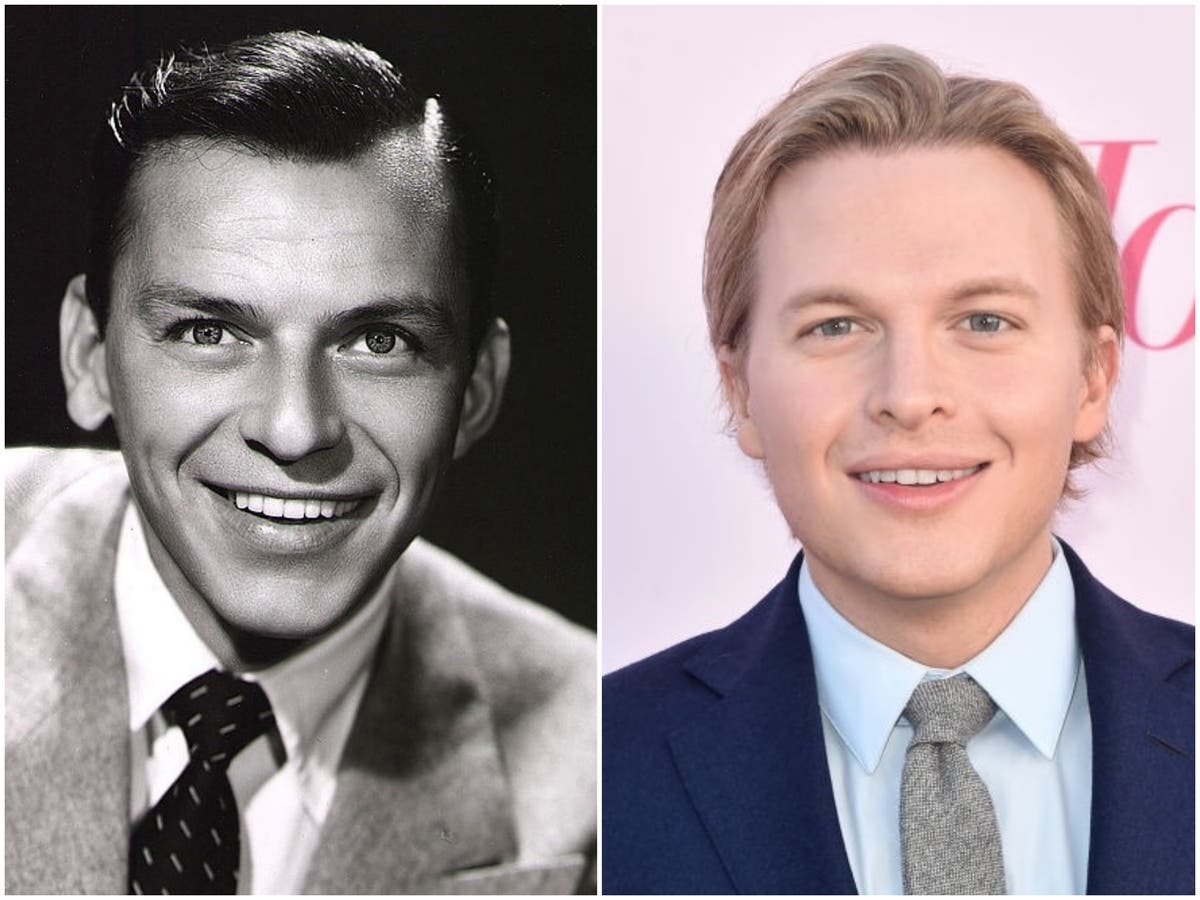
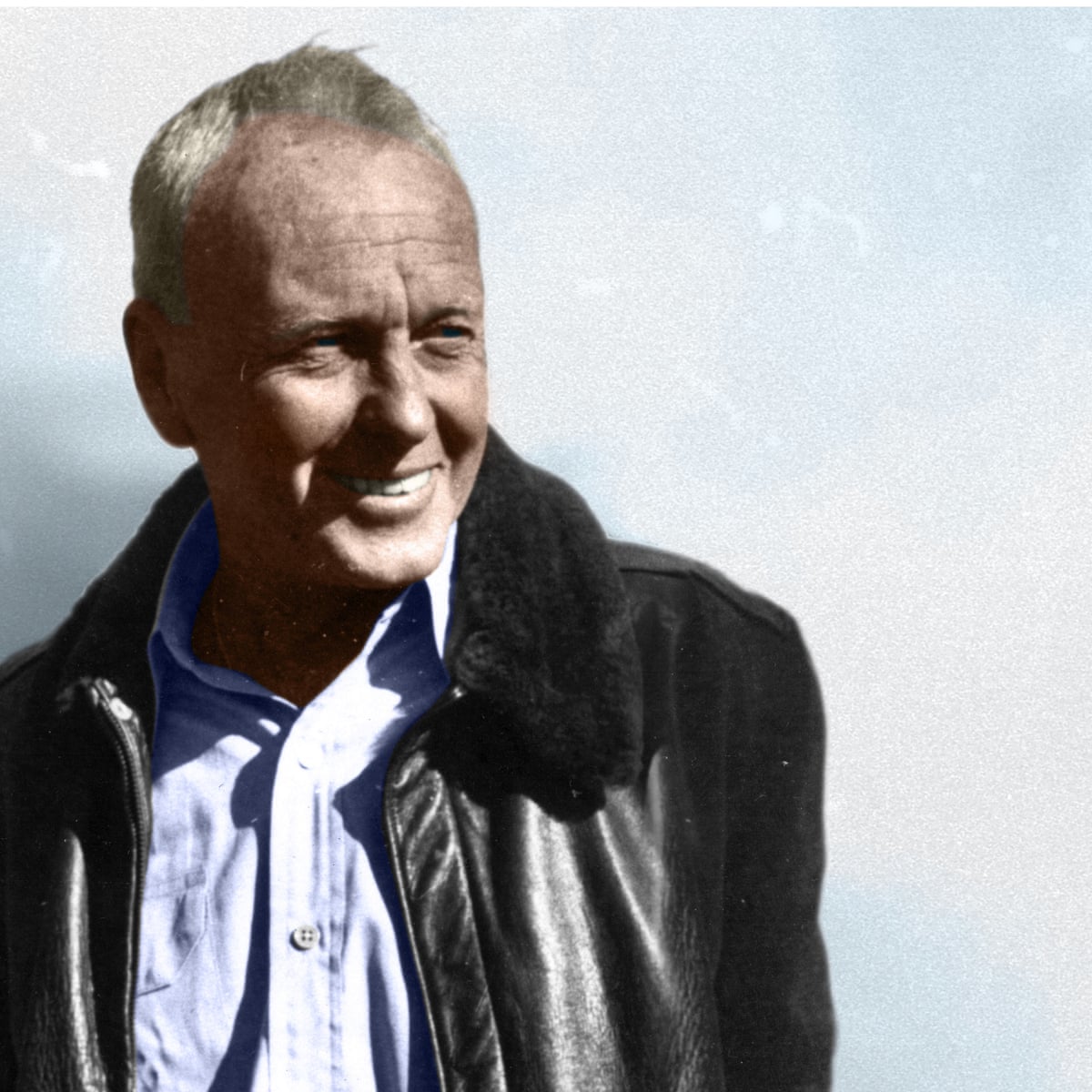
(Off-topic aside: Remember all that hoopla a couple of years back about Mia’s son Ronan actually being fathered by her ex-husband Frank Sinatra and not Woody Allen? Complete with side-by-side photos of Ronan and Frank? There was indeed a resemblance, but you know who else looked an awful lot like Ol’ Blue Eyes? Grandfather John Farrow. The genetics are clearly in place without resorting to dreamed-up paternity conspiracy theories.)
Filming A Day at the Races continued until April 1937, when Wood finally called a wrap. Groucho gave up his hopeless pursuit of O’Sullivan, and booked a trip on an ocean liner to Hawaii to see if he could salvage his relationship with Ruth. They had fallen into a vicious cycle. He was embarrassed by her limited intellect and heavy drinking, and made cutting and disparaging remarks to her constantly. This only fueled her growing alcoholism. The Hawaiian sojourn was a disaster, marked by Groucho’s seasickness and constant ill temper, which drove a boozed-up Ruth into a fling with an onboard dance instructor. It was the end of the marriage, emotionally if not yet legally.
A Day at the Races was released on June 11, 1937. After all those drafts from all those writers, the final screenwriting credit went to George Seaton, Robert Pirosh, and George Oppenheimer. Oppenheimer’s position was originally occupied by Al Boasberg, who objected to being in third place. Not only that, he demanded a special credit reading “Comedy Scenes & Construction by Al Boasberg.” MGM refused, and Boasberg asked that his name be removed from the film entirely. It was, and its place was taken by Oppenheimer. Boasberg did not have long to nurse his hurt feelings. He dropped dead of a massive heart attack exactly one week after the film’s release.
It’s easy to see why Boasberg wanted special credit for the comedy scenes. They’re pretty decent (although not Paramount or Opera level), but they’re not integrated into the main story very well. As they play out, they might as well have a flashing sign on them reading “COMEDY SCENE.” In fact, the comedy scenes (road-tested and audience pre-approved, remember) could be lifted out of the film and shown separately and out of context, and land with the same effectiveness (which is pretty much what the pre-filming tour did).
“Either he’s dead or my watch has stopped”
The plot revolves around a failing sanitarium in the resort community of Sparkling Springs, adjacent to a casino and racetrack. Judy Standish (O’Sullivan) has inherited the facility, and can’t make it turn a profit. If she can’t come up with $5000 by the end of the month, the property will be shut down and get turned into another casino. Judy’s employee, Tony (Chico), proposes getting the money from one of the sanitarium’s few patients, the wealthy (and slightly unhinged) hypochondriac Mrs. Upjohn (Margaret Dumont). Upjohn insists that the only person who can treat her is “Dr. Hugo Z. Hackenbush” (Groucho — whom she doesn’t realize is actually a veterinarian), and if he can be summoned to the sanitarium to be her personal physician, she will consider bailing them out.
Tony gets Hackenbush on board, but the good doctor has to keep his actual profession secret from Judy’s crooked business manager and his associates. In the meantime, Judy’s boyfriend Gil (Jones) has rather stupidly pinned his hopes on a racehorse he bought with what remained of his savings. Stuffy (“Stuffy”?! — Harpo’s character names continue to get worse and worse) is a recently fired jockey who throws his lot in with the sanitarium-saving crew. Sig Ruman shows up as a Viennese doctor out to expose Hackenbush, leading to a slapstick medical “examination” of Mrs. Upjohn. There is an attempt to replicate A Night at the Opera’s chaotic stateroom scene with a chaotic wallpaper-hanging scene. There is an elaborate (i.e., way too long) “water carnival” sequence that serves as a musical interlude: Harpo’s harp, Chico’s piano, and Jones’ singing. O’Sullivan is no singer as Kitty Carlisle was, so there’s no duet. Jones just holds her by the shoulders and croons “Tomorrow Is Another Day” directly into her face as tears stream down it. (Is she crying over the potential loss of her sanitarium, or because Jones won’t let her escape this nightmare of a ballad?)
As the film moves (slowly) towards its conclusion, there is an uncomfortable sequence between Harpo and a community of Black stable workers that was clearly intended as a bit of sympathetic ‘30s progressivism, but now is tough to watch. Unlike the turgid “Tomorrow Is Another Day,” the jazz-based music in this sequence is quite good, and there is a jitterbug dance sequence that would otherwise be exhilarating, but the whole thing carries a heavy whiff of minstrelsy. (Yes, blackface is involved.)
Duck Soup takes place in the Ruritanian-style fantasy country of Freedonia — where everyone speaks perfect English and the entire government is funded from the pocketbook of a rich widow, Mrs. Teasdale (Maragret Dumont). She insists, for reasons that are entirely unfathomable (always the sign of a good Marx Brothers plot), that she will no longer underwrite the country’s budget unless Rufus T. Firefly (Groucho) is installed as the head of state. Chico and Harpo are spies in the employ of Freedonia’s rival country, Sylvania, where the foreign ambassador Trentino (Louis Calhern) seems to be running the whole show, and has designs on annexing Freedonia. The first two thirds of the film concern the avoidance of war…then the war inevitably comes.
Although Zeppo once again is relegated to the nothing role of Groucho’s secretary, by virtue of being an official Marx Brother he does get to participate in the big musical number that accompanies Freedonia’s declaration of war. The exuberant setpiece is an ironic take on jingoistic pride and misplaced enthusiasm many feel when sending soldiers off to a possible gruesome death. Those who are thrilled and excited by such things are rarely those who have to do the actual fighting (and we are treated to the sight of the entire Freedonia parliament doing handstands in the midst of their fervor). At least Groucho isn’t above joining in the combat, although at one point he makes the mistake of machine-gunning his own troops. (When Zeppo points this out, Groucho hands him five dollars and tells him to “keep it under your hat.”) The war is won when they’re able to pin down Ambassador Trentino and pelt him with fruit.
Was it all too much? Had the Marx Brothers finally crossed the line? When the film was released on November 17, 1933, the reviews were tepid and the box office returns were below expectations (although it did turn a tidy profit and was not the complete bomb that it was later alleged to be — in fact it was the studio’s fifth-highest grosser that year). Paramount was still salty over the Marxes’ attempt to sue them earlier that year, and now that their three-picture contract was fulfilled, they used the mediocre performance of Duck Soup as a reason not to offer them another contract.
“Rufus T. Firefly”— President of Freedonia
Since the primitive days of 1933, Duck Soup hasclimbed its way up the Marx Brothers filmography ladder, and it regularly appears in “Best Comedies of All Time” lists, usually in the top five. Its darkly cynical, anti-war tone struck home with younger generations, and many felt that being directed by a true filmmaking artist (McCarey went on to win two Best Director Oscars for The Awful Truth and Going My Way) paid off handsomely for the Marx Brothers. Some latter-day Marx fans have taken it down a notch or two because they feel McCarey heavy-handedly imposed too much of his own imprint onto the team (silly montages, overly-cartoonish sight gags, and some recycled Laurel & Hardy bits, including the title itself), but it doesn’t look like Duck Soup is going to be knocked off its perch any time soon.
Despite the anti-McCarey carping from some corners, my opinion is that Duck Soup is indeed their best movie. Whatever influence McCarey may have had, it definitely still feels like high-octane Marx Brothers, and it’s still the film I would show (and have shown) to someone who has never seen the team to demonstrate them to their best advantage (despite the lack of the piano and harp solos — those can be introduced when your new viewer inevitably wants to watch more Marx Brothers). Duck Soup is responsible for creating newly-minted Marx fans by the thousands over the years. Sadly, no Marx Brothers picture is perfect (“The Marx Brothers have never been in a movie as wonderful as they are,” said film critic Cecelia Ager), but minute-by-minute and line-for-line, Duck Soup is their funniest picture. The Kalmar & Ruby surrealism has reached the height of absurdity, and for the most part, I enjoy McCarey’s hyper-visual style. (Yes, I could have done without the rather lame “going-to-war” montage that follows the superlative musical number.)
Master spies Chico and Harpo confer with Ambassador Trentino
And as a reward for making their funniest picture, they were essentially fired by Paramount.
With no prospect of another movie in the foreseeable future, the Marx Brothers scattered into solo activities. In December of 1933, Harpo traveled to the Soviet Union, briefly passing through early-phase Nazi Germany, which terrified him. For the first time since the Bolshevik Revolution, the U.S. had opened diplomatic relations with the U.S.S.R. and Harpo’s brief tour was arranged by his friend Alexander Woolcott as a goodwill gesture between the two nations. Harpo performed at the Moscow Art Theatre and the Leningrad Music Hall. His silent comedy antics (playing off two Russian-speaking co-stars, and having no idea what they were actually saying) were well-received, but it was his harp playing that truly brought down the house.
Gummo, around the time he became an agent
Zeppo used the Marx Brothers’ period of unemployment to fulfill his long-burning desire to jump ship. His departure was officially announced in Variety on March 31, 1934. After bouncing around a bit, by 1935 he had set up his own agency business, representing not only actors and writers, but also hiring several other agents, including Gummo. Initially, the Zeppo Marx Agency deliberately avoided anything to do with the three performing Brothers, and built an impressive roster of non-Marx clients.
Now it was the Three Marx Brothers for the first time since 1911.
Except for a brief return with Chico to radio that spring (the show, titled The Marx of Time, was an audio parody of newsreels and only lasted eight episodes), Groucho was at loose ends. He packed his family off to a luxury cabin in the Maine woods for the entire summer and pondered his future. He soon grew bored, and took a week-long role in a local summer stock production of Twentieth Century. Maybe it was time to retire the greasepaint mustache and look into more legitimate areas of performance.
Chico had spent the layoff since Duck Soup going to the racetrack and playing cards. This time his proclivities paid off. He got into a card game with MGM production chief Irving Thalberg.
Most fans mentally divide the Marx Brothers’ films into a few distinct chronological categories:
The New York Paramounts / Stage Adaptations (The Cocoanuts, Animal Crackers)
The Hollywood Paramounts (Monkey Business, Horse Feathers, Duck Soup)
The Thalberg MGMs (A Night at the Opera, A Day at the Races)
The Odd One Out (Room Service, an adaptation of a non-Marx play done for RKO Pictures)
The Lesser MGMs (At the Circus, Go West, The Big Store)
The Post-Retirement Reunions (A Night in Casablanca and Love Happy, although the latter’s status as a true Marx Brothers film is disputed)
We have reached what many fans and film scholars regard at the Marx Brothers’ peak, the Hollywood Paramounts and the Thalberg MGMs. As indicated in Part 1, this will likely be the shortest segment of this essay series, as we are really exploring how the Marx Brothers came to be film comedy icons (the Rise, Parts 1-6), and what became of them when quality control started slipping and they decided to retire from cinema screens (the Fall, Parts 9-11). I use “Fall” only because it goes with “Rise,” and not because they made some catastrophic mistake or had some embarrassing failure that caused audiences to turn away. It was just that the material thrown their way by a studio that no longer cared about them had become inarguably sub-par, and the Brothers had lost interest in the whole movie-making thing anyway.
So in discussing the run of their best Hollywood-era movies, I will try to keep it brief. I will go light on summaries and well-worn anecdotes. You can find those in any number of books. My goal is to take a quick (well, quick for me) look at how these films fit into the overall trajectories of their lives and careers, and maybe give a few personal thoughts and opinions.
As the door closed on 1930, the Marx Brothers had Hollywood in their sights. But first, a return to the stages of London with a revue called The Schweinerei, a mixed-bag collection of highlights from all three of their stage shows, which had already toured some U.S. cities that fall. Their new three-picture contract with Paramount was signed on board the S.S. Parisright before it sailed for the U.K. on Christmas Eve.
Another situation to be dealt with before they sailed away for a month’s residency in England was coming up with an idea for a radio show. To that end, the Brothers contracted fledgling but soon-to-be-legendary humorist S.J. Perelman and I’ll Say She Is writer Will B. Johnstone to come up with some ideas. After thinking of and rejecting a number of premises, the writers presented their final scenario to the team right before they left — how about the Marx Brothers as four stowaways on an ocean liner? Groucho declared the idea was too good to be wasted on a mere radio show, and should in fact be the plot of the first movie on their new contract. Before they were really aware of what was happening, the radio show was on the back burner, and Perelman and Johnstone were on a train to California to bang out a screenplay.
Herman Mankiewicz
The pair of writers reported to the office of the Marx Brothers’ new producer — their old Algonquin crony from the I’ll Say She Is days, the hard-drinking, acid-tongued Herman “Mank” Mankiewicz, a former drama critic who had come west in 1925 to try his hand at screenwriting. He found the comfortable Hollywood lifestyle quite appealing (and profitable). “Millions are to be grabbed out here and your only competition is idiots,” he wrote to Ben Hecht. Mank quickly rose through the ranks at Paramount and was put in charge of the Marx Brothers, whom he knew well. (Groucho used to come over to his house in New York and say to his wife “Hi Mrs. Mankiewicz! Can Herman come out and play?”). He was brutally honest with their new writers: “[The Marx Brothers] are mercurial, devious, and ungrateful. I hate to depress you, but you’ll rue the day you took this assignment.”
In the modern era, comedy is very proprietary. Stand-ups write their own material (and guard it fiercely). Sketch troupes write their own sketches. As tempting as it is for a modern audience to want to believe that the Marx Brothers came up with all of that wonderful material themselves, the truth of the matter is they were performers first and writers…not even second (except possibly Groucho, who always had literary ambitions). And this was par for the course for just about every comedy act up through the 1960s*. Jack Benny, George Burns, Milton Berle, Bob Hope — all considered comedy giants, and all had teams of writers to provide their funny lines. The fact that the Marx Brothers did too doesn’t mean they weren’t capable of coming up with brilliant stuff off the tops of their heads — that’s what people remembered most about their stage act after all, the ad-libbing. But when it came down to it, the Marx Brothers knew the value of written material, even if they didn’t always adhere to it faithfully.
S.J. Perelman
Upon their return to the United States, the Marx Brothers almost immediately headed to Los Angeles. Exhausted after a long ship and train journey, and the hassles of setting up their new living arrangements, the Brothers and a few associates were invited to a reading of their new script by Perelman and Johnstone at 8:30 on a Friday night at the Roosevelt Hotel. Not an ideal time to be receptive to a comedy script, and the first person to actually show up was Mankiewicz at 9:45. To put it mildly, it did not go well. (“I would have shot myself by page twenty-five,” said writer and friend-of-Groucho Arthur Sheekman, who witnessed the ill-fated reading). Chico and Harpo went to their default mode — sound asleep. Groucho listened silently the whole way through, then gave his two word verdict — “It stinks.”
So, the script needed work, it was all hands on deck, and a pattern for Marx Brothers script writing was set.
Marx Brothers movies (the better ones, at least) were written in a way remarkably similar to modern sitcoms. The writers who would receive official onscreen credit would craft the story, basic dialogue, and hopefully more than a few good jokes and funny bits. Then the script would run the gauntlet of the “writers’ room,” where a round-table of scribes would punch up the dialogue, cram in more jokes and bits (as many as they could fit), and polish it to a high sheen. In addition to giants like Kaufman or Perelman whose names ended up prominently in the credits, the list of uncredited or partially-credited contributing writers would include guys like Sheekman, Nat Perrin, Grover Jones, vaudevillan Sol Volinsky, cartoonist J. Carver Pusey, legendary gag man Al Boasberg, animator Frank Tashlin, silent comedy icon Buster Keaton, Ben Hecht, Uncle Al Shean (who supposedly was paid $5000 for one line), and of course the Brothers themselves, who were always tweaking and improving lines.
Some of the Monkey Business writers, 1931. L. to r. Groucho, Sol Volinsky, S.J. Perelman, Will B. Johnstone, Arthur Sheekman
Although Mankiewicz was known to drop by the script conferences from time to time and contribute, he was a pretty hands-off producer. When the writing team came to him for guidance on the plot, he told them “If Groucho and Chico stand against a wall and crack funny jokes for ninety minutes, that’s enough of a plot for me.” When he inevitably got fed up with the writers’ questions interrupting his afternoon boozing sessions, he would yell at them to “get back to [their] hutch,” and if they were good he would bring them “a lettuce leaf to chew on.” “If [Mank] had any loveable qualities,” said Perelman, “he did his best to hide them.” Groucho said, “Herman was a good writer, but he didn’t like to work. He would rather play cards, drink, and get laid [who wouldn’t? — Ed.]. He had a lot of talent but he never used it. He was a character. I think he finally got thrown out of Paramount because he was loaded all the time.” (Mank returned to screenwriting after he washed out as a producer, and his script for 1941’s Citizen Kane won the Oscar, evidently utilizing some of the talent Groucho mentioned.)
Harry Ruby explained that the Marx Brothers didn’t ad-lib much on film, for a very basic reason: “There’s no audience to react. Of course, you couldn’t stop them from ad libbing, but they didn’t carry on the way they did on stage…On stage, there was no one to control them. You couldn’t stop the show and tell them to calm down. But on the set they knew the director could call a halt to shooting and tell them to cut it.” According to Joe Adamson, Groucho found another type of audience. Since the material had not been tested over the course of several hundred live shows as with their first two movies, he would worry when too many takes of a scene caused the sound and lighting crew to no longer have to stifle their laughter at a line or joke. He would then huddle with the writers, or think of something himself, to break up the technicians again.
Thelma Todd
Groucho in particular was insistent early on in the production process that there be no Margaret Dumont in Hollywood. She represented the old days, and would not fit into their new phase. The team now wanted glamour and sex appeal. The female lead in their first Paramount picture would be a young, modern woman and would be played by Thelma Todd. Todd’s formidable combination of “ice cream blonde” looks and comedic acting skills would definitely be an asset to the Marxes’ new cinematic incarnation. (Dumont’s sidelining — about which she felt both a little hurt and a little relieved — would be temporary.)
Norman Z. McLeod
Filming began on the stowaway story — titled Monkey Business, with an entirely re-written script — in early April of 1931. Animal Crackers director Victor Heerman was tied to Paramount’s New York studio, so they were assigned a new Hollywood-based director, Norman Z. McLeod. McLeod was a genial, soft-spoken former animator who generally let the Marx Brothers have their way, got the shots when he could, and went on to have a pretty solid musical-comedy directing career (It’s A Gift, Topper, Road to Rio, The Paleface, The Secret Life of Walter Mitty, among others).
It is quite clear that Monkey Business is not just a filmed play like their first two movies, but a creation of pure cinema. The camera is finally unleashed, able to follow the Brothers wherever they go — and they went all over. They are nameless agents of chaos. Far from avoiding attention as stowaways, they rampaged across that ocean liner, insulting the captain and taunting the crew. They even got themselves entangled with dangerous gangster Alky Briggs (veteran screen villain Harry Woods) and his beautiful “bad girl” wife (Todd). Zeppo is given his best part yet in a Marx Brothers project — he is the romantic lead! Although he’ll never win an acting prize, he manages to generate some flickers of onscreen charm as he wins the heart of the “good girl” (Ruth Hall) and defeats Alky Briggs in a round of (rather unconvincing) fisticuffs in the climax.
The pace of the film is quickened quite a bit (Animal Crackers is measured and The Cocoanuts is absolutely leaden by comparison). There is just enough time for the piano and harp numbers (there are no “real” songs to be found — any other music is background, or used solely for humorous purposes). For the final third of the story, they are off the ocean liner and engaging in what was already becoming a Marx Brothers trope — disrupting some kind of fancy-dress function. The whole thing streaks across the finish line in a little under eighty minutes.
Monkey Business was released on September 19, 1931, and it was a very much a success — but it slightly underperformed Animal Crackers at the box office.The ever-pessimistic Groucho was once again convinced the team was finished and once again began planning an early retirement, but Paramount was happy with the returns, and plans for the second film on their contract proceeded apace.
Monkey Business is the film from their “peak period” that I probably watch the least. The gangster subplot is a little labored, and the dialogue (though it definitely has its moments) is a notch below Animal Crackers and a notch-and-a-half below the next two films, lapsing too often into old-fashioned corny jokes that seem beneath them, and Perelman’s (who was still finding his voice) sometimes tortured wordplay. Still, it’s better than The Cocoanuts, and astronomically better than their later MGM films.
Vaudeville was all but dead, but the Marxes simply could not shake their addiction to performing live, or more likely, the quick and lucrative paydays live shows provided. In a now-established pattern, they filled a couple of months between films with a short tour of the few remaining vaudeville houses, this time performing the Napoleon scene from I’ll Say She Is. The $10,500 a week they earned for Napoleon’s Return broke records for a vaudeville salary, although one review called the performance “perfunctory.”
Will B. Johnstone’s day job was as a brilliant political cartoonist for the New York World. The image of the “American taxpayer” as a naked man wearing a barrel on suspenders? That was created by him. His sideline was writing lyrics, and later books and lyrics, for B-grade Broadway musicals. His younger brother Tom composed the tunes. Joseph M. Gaites was a failed playwright who eventually found success as a producer of C-grade Broadway musicals. After one of his shows was inevitably savaged by the New York critics and closed after a handful of performances, he would put it on the road, cutting as many corners as possible in the cost of the production (it was said that the “M” in his name stood for “Minimum”). All he had to do was hype that the show was “direct from Broadway” and all the rubes from Tucson to Tulsa to Tampa Bay would line up in droves to see a “real Broadway musical.” Gaites would scrape his money back, and start all over again with a new show.
As a team, Johnstone and Gaites saved the Marx Brothers, who themselves were not far from wearing barrels on suspenders at this point.
Johnstone and Gaites first collaborated on Take It From Me. Out of the gate, it was their biggest success, getting halfway-decent reviews, and touring the sticks for a number of years thereafter. Next, Gaites signed up Kitty Gordon, once a major Broadway star who had left the stage for the lure of silent pictures. When she failed to make a cinematic impact after several years of trying, she announced a return to theater in late 1919. Johnstone was tasked with writing her big comeback vehicle. He came up with Love For Sale. Noah Diamond writes, “Johnstone’s idea was not, in itself, much of an idea. But get used to it: A bored heiress is looking for thrills, and each scene depicts an attempt to thrill her. In the end, she learns the greatest thrill is the thrill of love. It was a flexible revue plot, which could accommodate any kind of song, sketch, or specialty.” The bored heiress, identified as “the Beauty,” was wooed by a series of eight suitors, identified by the well-known bit of children’s doggerel — “Rich Man, Poor Man, Beggar Man, Thief; Doctor, Lawyer, Merchant, Chief” — each offering a unique thrill.
Will B. Johnstone
Love For Sale was a flat failure — it did not make it out of tryout performances in Detroit, but Johnstone and Gaites filed the idea away as they moved on to their next production, the modestly-successful Up in the Clouds. In 1922, they cut Love For Sale to tabloid length and re-titled it Gimme A Thrill…and put it on the Shubert vaudeville circuit, the very same ineptly managed money-hole that the Marx Brothers were currently touring — and circling the drain — with. Gaites ended up losing $10,000 on the endeavor.
With both Gimme A Thrill and the Marx Brothers’ Twentieth Century Revue dead in the water by the spring of 1923, everyone went back to New York to lick their wounds and ponder their future in live theater. At some point the Brothers, in pure desperation, contacted Ned Wayburn, the man who first put teenaged singers Groucho and Gummo into vaudeville as “Ned Wayburn’s Nightingales” back in 1907. The Brothers hoped their old mentor could set something up for them. The best Wayburn could do when put on the spot was introduce them to the Johnstone brothers, and hope for something to spark. Will B. agreed that the Marx Brothers might be a good act to write something for.
At almost the exact same time, Philadelphia businessman James P. Beury, heir to a coal-mining fortune, pulled the name of Joe Gaites out of his lengthy list of contacts to see if there was anything Gaites could provide to put on at the Walnut Street Theatre for the normally-dormant summer season. Beury had bought the Walnut Street Theatre as a sound investment. Musical theater was having a strong run in Philly in the early ‘20s, and the Walnut Street Theatre had historical significance. It was (and remains) the oldest continuously operating theater in the United States, running shows since 1808. Beury had installed air conditioning during his recent renovation, and wanted to capitalize on it. (In those days, “air conditioning” meant blowing massive fans over equally massive blocks of ice.)
Gaites agreed to come up with something. He got in touch with Johnstone, and thriftily pushed him for a resurrection of the pre-existing Love for Sale/Gimme A Thrill book and songs, mostly as a way to get some use out of the scenery and costumes he had been storing. Johnstone admitted with a little polish and a few additions, they might be onto something. One of the additions could be the Marx Brothers, but Johnstone wasn’t quite sure. It turns out that Will B. Johnstone may have been the only human being in the tri-state area who had never seen the Marx Brothers perform. The Brothers made a quick deal with the Premier Theatre in the outskirts of Brooklyn, hastily rustled up a Sunday afternoon audience, and played a one-off show (without a chorus) specifically for Johnstone on April 15, 1923. They passed the audition. Johntsone figured they could easily be worked into the show. (Stories of Chico setting up the show with Beury and/or Gaites over a poker game, or through running into Johnstone randomly in front of the Palace Theatre, appear to be — guess what? — totally apocryphal. The story of a besotted Beury wanting a show that summer to put his mistress, an aspiring dancer, into is also pretty dubious.)
“Lotta Miles”
The show was a revue. The Marx Brothers would be a segment of a much larger cast, incorporating several other comedic and musical acts, including an onstage jazz band, the Yerkes Happy Six. There was also a “sister” act — the Melvin Sisters. The Brothers were initially billed only as “featured performers.” Officially they were cast as Lawyer, Poor Man, Beggar Man, and Merchant (later Doctor). You can probably sort out who was who. The longest-running actress in the part of Beauty was the aptly named “Lotta Miles” (her stage name came from her tenure as a model for Kelly-Springfield Tires — her real name was Florence Reutti). The rest of the cast was filled out mostly by performers who had been in Up in the Clouds. (Reliable old Ed Metcalfe reprised his role as a Theatrical Agent/“Rich Man” as soon as the show hit the road.)
The show’s official book has not survived, but there is a 23-page typescript summary with some dialogue that has been preserved, and allows us to piece things together. After the big opening musical number, the show would start with the Brothers’ sure-fire Theatrical Agent’s Office sketch, and two new bits of original business were created to showcase their comedy — a “courtroom” sketch that would be the centerpiece of Act One (with an additional built-in poker routine from On the Balcony), and would once again feature Harpo dropping silverware from his sleeve, and the big Act Two closer — a sketch entitled “Napoleon’s First Waterloo.”
Co-written by Johnstone and Groucho, who at last was elevated to the long-desired level of Professional Writer, the sketch depicts Napoleon (Groucho) bidding farewell to Josephine/Beauty multiple times and leaving her room…then returning on some pretense, sending her three suitors (the other Brothers) scrambling for a hiding place. Both the courtroom sketch and the Napoleon sketch strayed pretty far afield from the “give the heiress a thrill” plot, but no one cared — it was just a revue. (All right, if you must know, the courtroom sketch was slotted in as part of Beauty’s thrill of being a criminal, and the Napoleon sketch came from Beauty’s thrill of…well, being put in a hypnotic trance and made to believe she is Josephine. See how flimsy these revue plots were? Just an excuse to have a courtroom sketch and a Napoleon sketch.) As indicated, Beauty realizes love is the biggest thrill, and ends the show after the last big musical number in the arms of the various handsome male leads who assayed the role of the Chief during the show’s run (including, briefly, Chico’s old partner Arthur Gordoni). What he was supposed to be the Chief of is never really explained. The harp and piano numbers were mixed in there somewhere, too. The show ran two hours and forty minutes on a fast night.
The revamped show received its third title — I’ll Say She Is — and was initially created to play a summer season at a specific theater in Philadelphia, but everyone knew what was at stake — everyone had their sights on the Great White Way. Nothing about it elevated it above the type of stuff they had been doing in vaudeville since 1911 except budget and running time…and the location where it was hoped to be performed in the near future. I’ll Say She Is was really nothing more than “Vaudeville Storms Broadway.” (The new title was the proper response to the question “Isn’t she a beauty?”) Robert Bader: “I’ll Say She Is was truly a salvage project — with story lines, scenery, and costumes from four different shows and a quartet of blacklisted stars who couldn’t work anywhere else.” The director was Eugene Sanger, and the choreographer was Vaughn Godfrey, neither of whom merited much mention in the reviews or in the Brothers’ memories. “This was an age in which theater directors functioned mostly as traffic cops,” explains Noah Diamond. “The producer had the creative vision; the director told the cast where to stand.”
Excerpts from the Napoleon sketch as they appeared in Noah Diamond’s off-Broadway reconstruction/revival of I’ll Say She Is
After a shakedown run in Allentown, I’ll Say She Is opened at the Walnut Street Theatre on June 4, 1923 and it was a sensation. It played through the end of August. (It may have helped that the newly air-conditioned theater was the only open theater in town during the dog days of summer, but love for the show from critics and audiences seemed genuine.) For the show’s extended national tour through the rest of 1923 and into 1924, the Marxes had to hold their noses and deal with the Shubert Company again, who owned many of the theaters in which they would be appearing. Their “o” nicknames began cropping up some of the reviews (as they had sporadically since 1917), but were mentioned as being their onstage characters (no one paid much attention to the “Lawyer, Merchant” nonsense) rather than the actors themselves.
Just in case there’s some nugget of truth to the Beury-and-the-Showgirl story (Harpo and Groucho both told it in print several times — still no guarantee of veracity), I’ll relate this anecdote: Right before I’ll Say She Is kicked off its tour, it needed another $10,000 for various expenses and re-tooling. The company went to James Beury with their hands out. There were two complicating factors regarding Beury’s darling chorine (known as “Ginny”), and they needed to be dealt with at this point: 1) Ginny had also been sleeping with Harpo that whole summer, and 2) she was a worse dancer than even Groucho’s wife, Ruth. (“Ginny got more laughs than we did,” said Groucho.) Harpo was talked into breaking it off with her for the good of all involved, but the second situation was not so easily remedied. Groucho semi-facetiously suggested hiring someone to break her legs. Chico responded that she danced as if she had at least one leg broken already. Ginny solved the situation herself by telling Beury she’d fallen in love with a Walnut Street Theatre house musician, and considered her relationship with Beury to be at an end. Now Beury threatened to withhold the $10,000 unless Ginny was fired. The Brothers pretended to be very sad at the situation, while secretly rejoicing at their good fortune.
The show proved its worth on a grueling tour, and after a triumphant return residency at Walnut Street in April 1924, I’ll Say She Is was prepped for the big jump to Broadway. Gaites stepped aside, and handed total control of the production of Beury, formerly just the financier. Beury pumped the kind of money into the production that “Minimum” Gaites never would — costumes and scenery were refurbished or replaced, and the onstage jazz band was upgraded to the classy Nat Martin and His Orchestra. Both Groucho and Harpo confessed to last-minute jitters. “We’re not good enough,” Groucho told Chico. “We wouldn’t be a hit on Broadway. We’re vaudeville actors.” “I was a realist,” wrote Harpo in his memoirs. “I kept hearing the words: Sorry, boys — you’re shut. But what the hell…it was going to be fun while it lasted.” Only Chico remained cheerfully optimistic, as usual. Maybe Zeppo did too, but nobody asked him, as usual.
Publicity photo for the Marx Brothers’ Broadway debut, 1924.
I’ll Say She Is officially put the Marx Brothers on Broadway on May 19, 1924. The road show proved beyond a doubt that the show’s draw was the Brothers. They were no longer “featured players.” The were now billed above the title — their name literally in lights, but still as “JULIUS, ARTHUR, LEONARD and HERBERT — THE MARX BROS. in I’LL SAY SHE IS.” The “Four” had been dropped, perhaps indicating Zeppo was already getting restless as fourth banana. The theater was the Casino, on the corner of Broadway and 39th Street. Built in 1882 and owned by the Shuberts, the 1,300-seat Moorish theater boasted the first electric lights in a New York theater, the first public roof garden, and the first chorus line. By 1924, however, it had seen better times. The Brothers later referred to it as “a dump.” (The Casino met the wrecking ball in 1930.)
The Casino Theatre
Still, they were on Broadway at the height of the Roaring Twenties. It was the culmination of Minnie’s dreams, and “of twenty years of scheming, starving, cajoling, and scrambling,” as Groucho said. The only thing that marred the big premiere was her tumbling off a chair on which she was standing to get fitted for her opening-night dress. The resulting fractured ankle was considered only a mild annoyance, and she was ceremoniously carried to her front-and-center seat by a team of ushers.
The costumed brothers pose with their mother, Minnie
Alexander Woollcott
The reviews hit the newsstands the next morning. They were an almost-universal smash. The chorus of approbation was led by the New York World’s distinguished top theater critic Alexander Woollcott, one of the most-quoted men of his generation. Woollcott praised the show in general, but reserved several lines of particularly fulsome praise for Harpo. This was not unusual for the era. Smartass Groucho is usually the modern viewer’s favorite, but at the time, his caustic wisecracks and non-sequiturs were often a little rough-edged for audiences to fully embrace. It was Harpo, the child-like silent clown and brilliant harpist who won the affection of the old-fashioned folks whose tastes were still rooted in the 19th century. In his review for Life magazine, Robert Benchley said “The pantomime of Mr. Arthur Marx…is 110 proof artistry. To watch him…at any moment of during the show, is to feel a glow at being alive in the same generation.”
Woollcott made his way backstage at the Casino after his second viewing of the show to meet Harpo. Woollcott, whose acid pen had gotten him banned from several Broadway theaters, was completely disarmed by Harpo. Groucho (and others) took things to their logical conclusion and flat-out stated that Woollcott was literally in love with Harpo. (Woollcott’s sexuality was certainly always a gray area, and their eventual friendship was very close, but it is unlikely Harpo reciprocated any romantic feelings.) Woollcott invited Harpo for a round of poker, and pretty soon, the semi-literate Marx Brother had a seat at the most literate place in the nation — the Algonquin Round Table.
The Algonquin Round Table was a daily lunch meeting at the Algonquin Hotel on West 44th Street among New York’s elite columnists, playwrights, and critics literary and theatrical. Although the group was informal, Woollcott, Franklin P. Adams, Robert Benchley, Dorothy Parker, Heywood Broun, George S. Kaufman, Harold Ross, Robert Sherwood, Marc Connelly, and Ruth Hale were considered the more regular members, and several others came and went (Herman “Mank” Mankiewicz was always welcome before he high-tailed it to Hollywood, and novelist Edna Ferber came on Saturdays.) The group met regularly throughout the 1920s, playing cribbage, sipping flasks of illegal booze, setting up collaborations with each other (Ross used the group’s talents as a springboard for his creation of The New Yorker magazine), and most fun of all…affectionately insulting each other in the wittiest ways possible. Woollcott remarked on Dorothy Parker’s newly-bobbed hair: “You look almost like a man.” Her reply: “So do you.” (Historical due diligence: this bit of repartee has been attributed to others. But we want so badly for it to be Woollcott and Parker.) After lingering over their fried oysters and barbed repartee for an hour or two, they would wander back to their Vanity Fair or newspaper offices to concoct some brilliant piece that would ripple through America’s intelligentsia.
Harpo was not much of an insulter (that was Groucho’s territory), but began taking more and more lunches with his new literary pals at the Algonquin, mostly just sitting quietly and listening, which definitely would have marked him as odd-man out. If you couldn’t keep up, you were phased out of the group. But Harpo seemed to get a free pass, and became a kind of serene mascot in the eye of the hurricane (or the “vicious circle” as the group was sometimes called). The New York papers picked up on his Algonquin association, and one even had the audacity to call Harpo “the brains of the Marx Brothers.” Groucho, furious (and perhaps a tad envious), responded that “there is no brains in the Marx family, and…if there was, it most certainly wouldn’t be Harpo.”

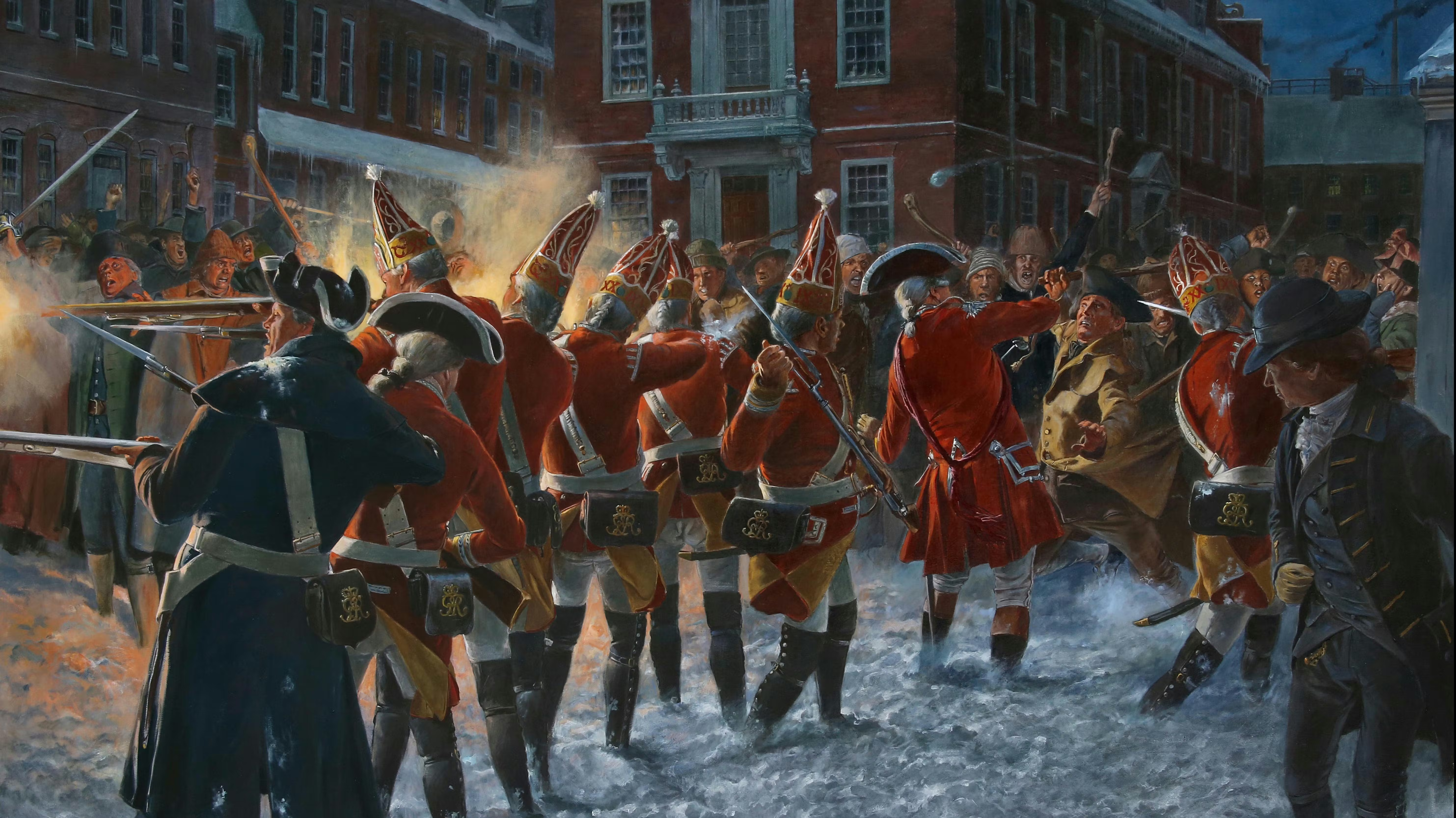
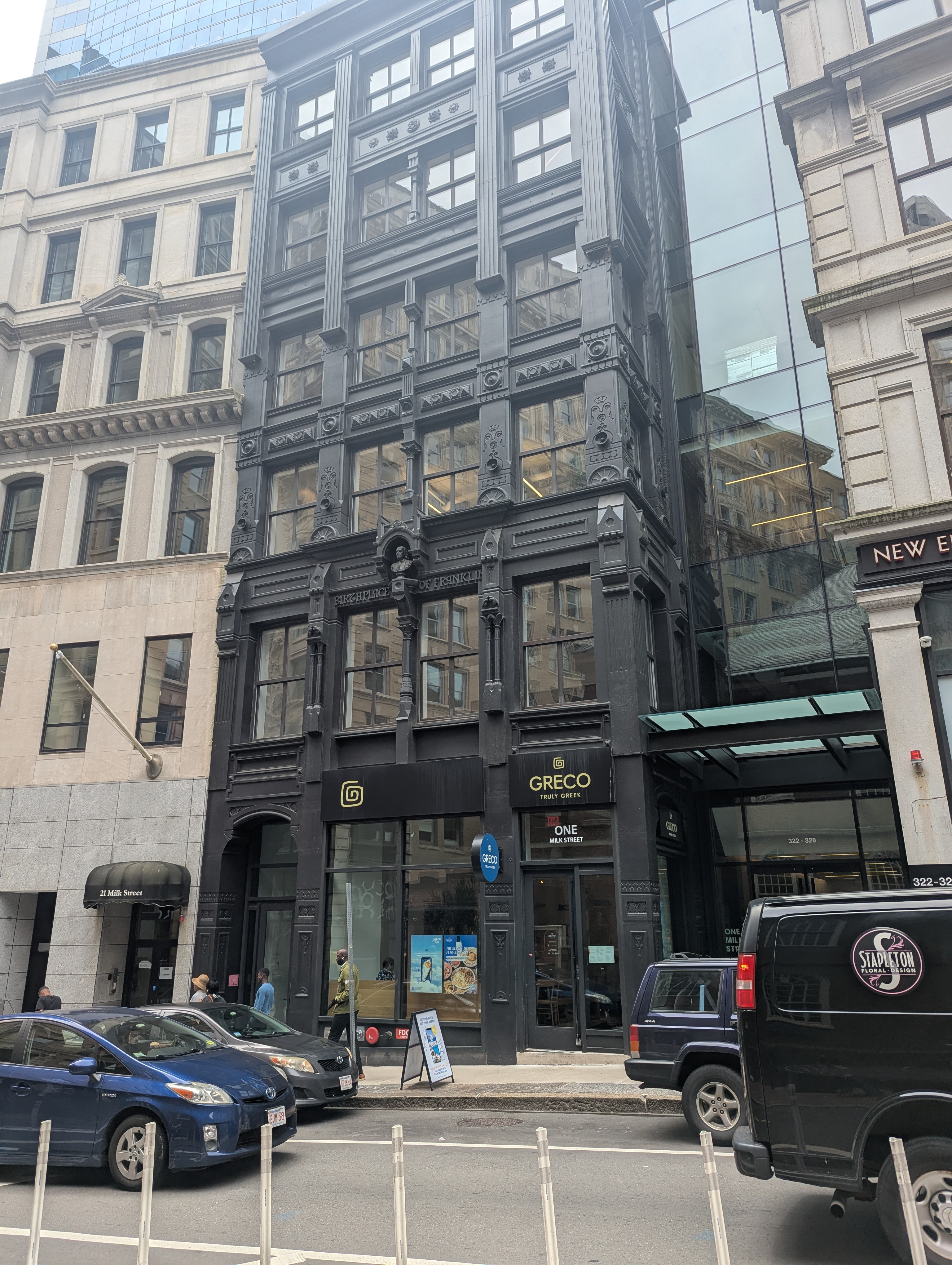
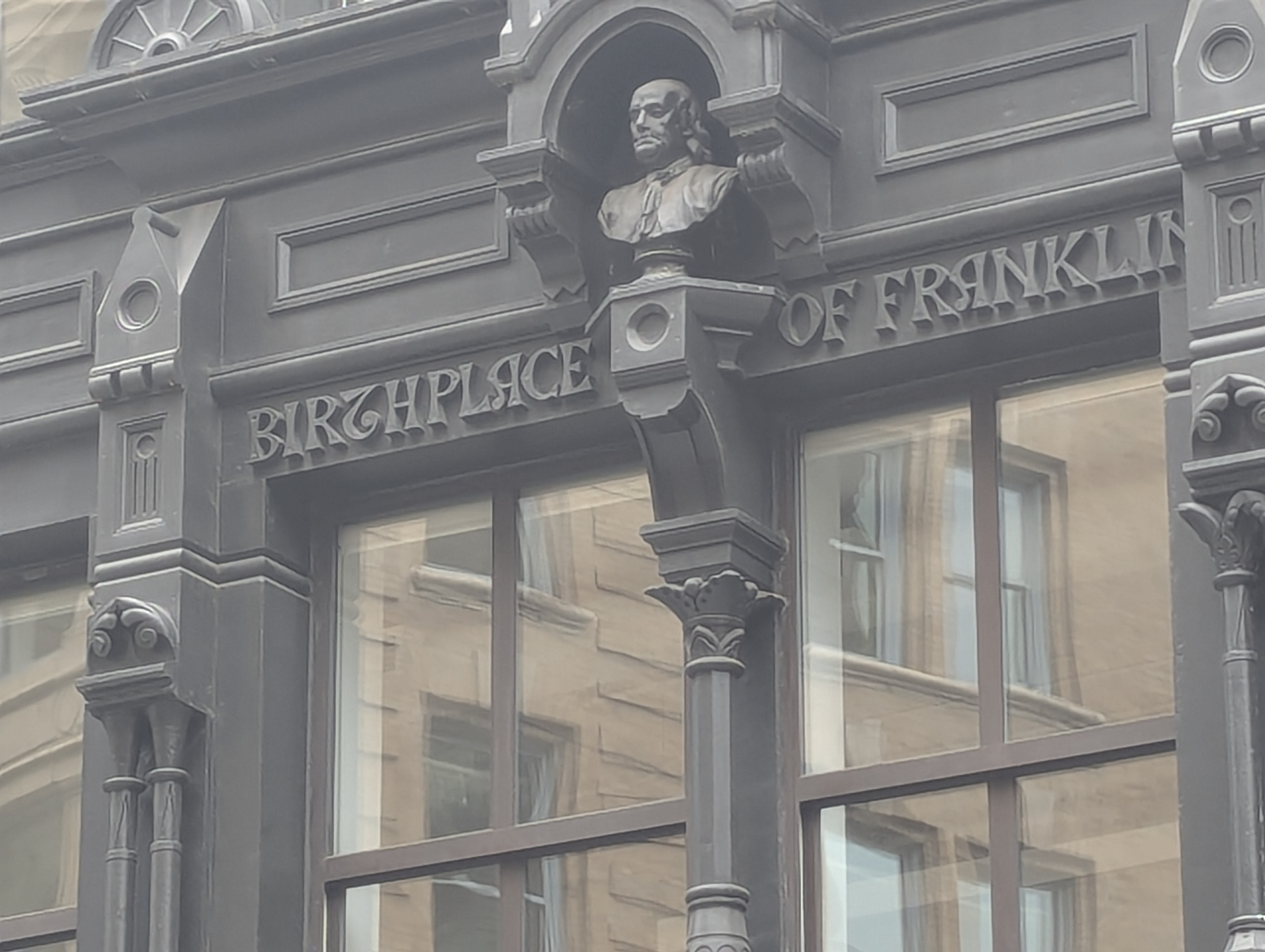
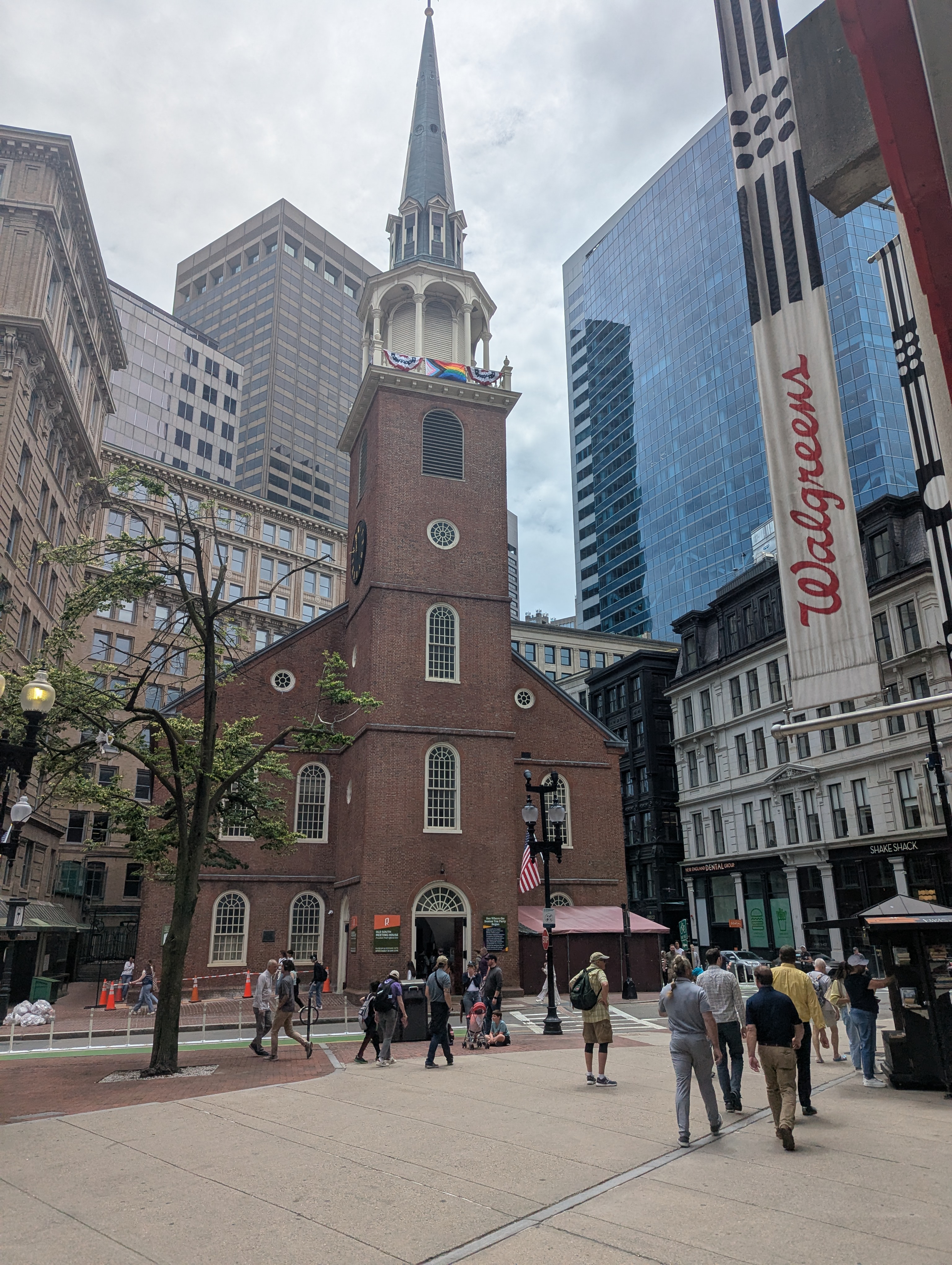
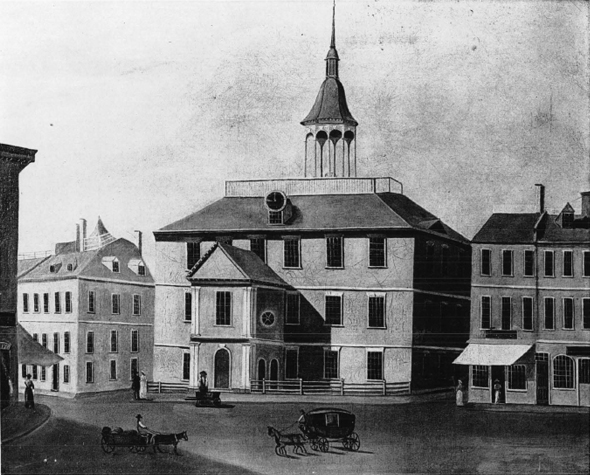
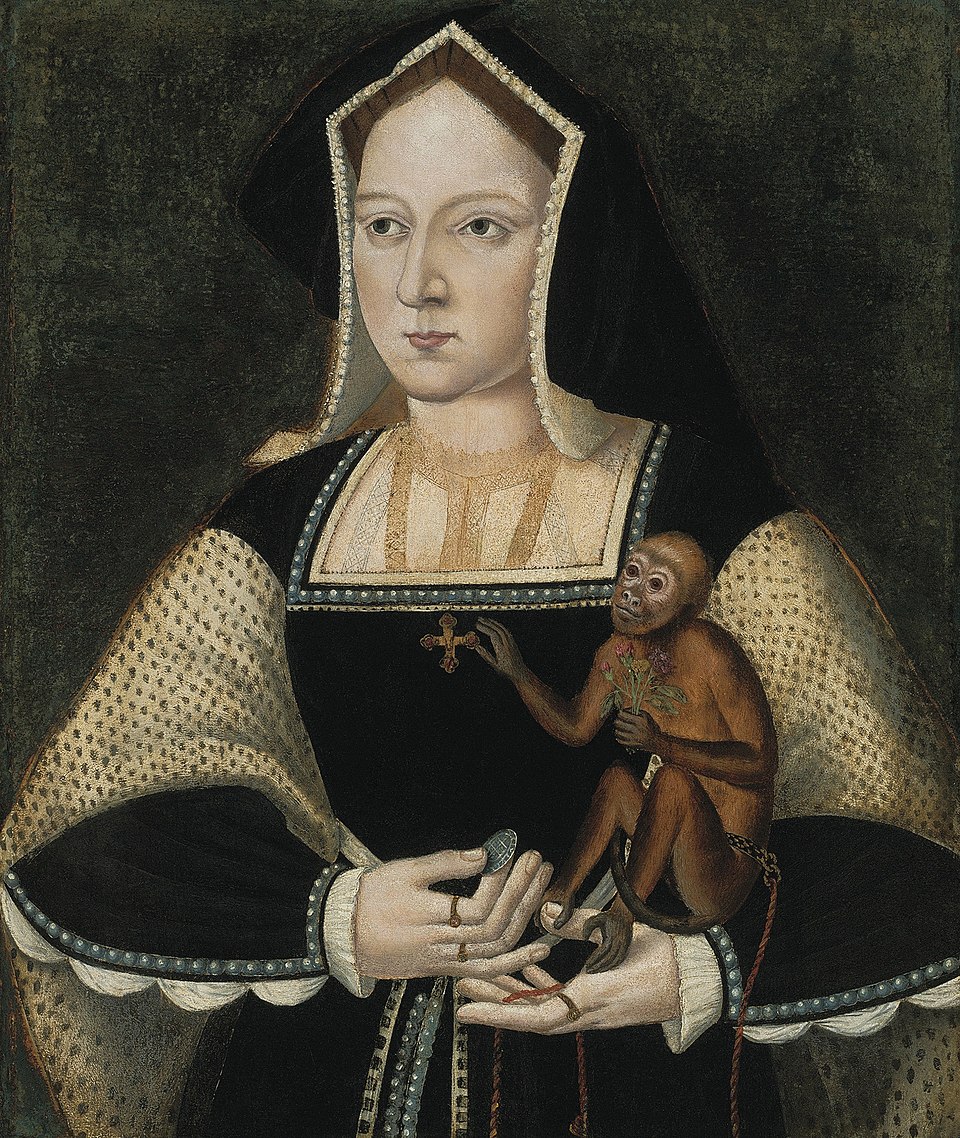
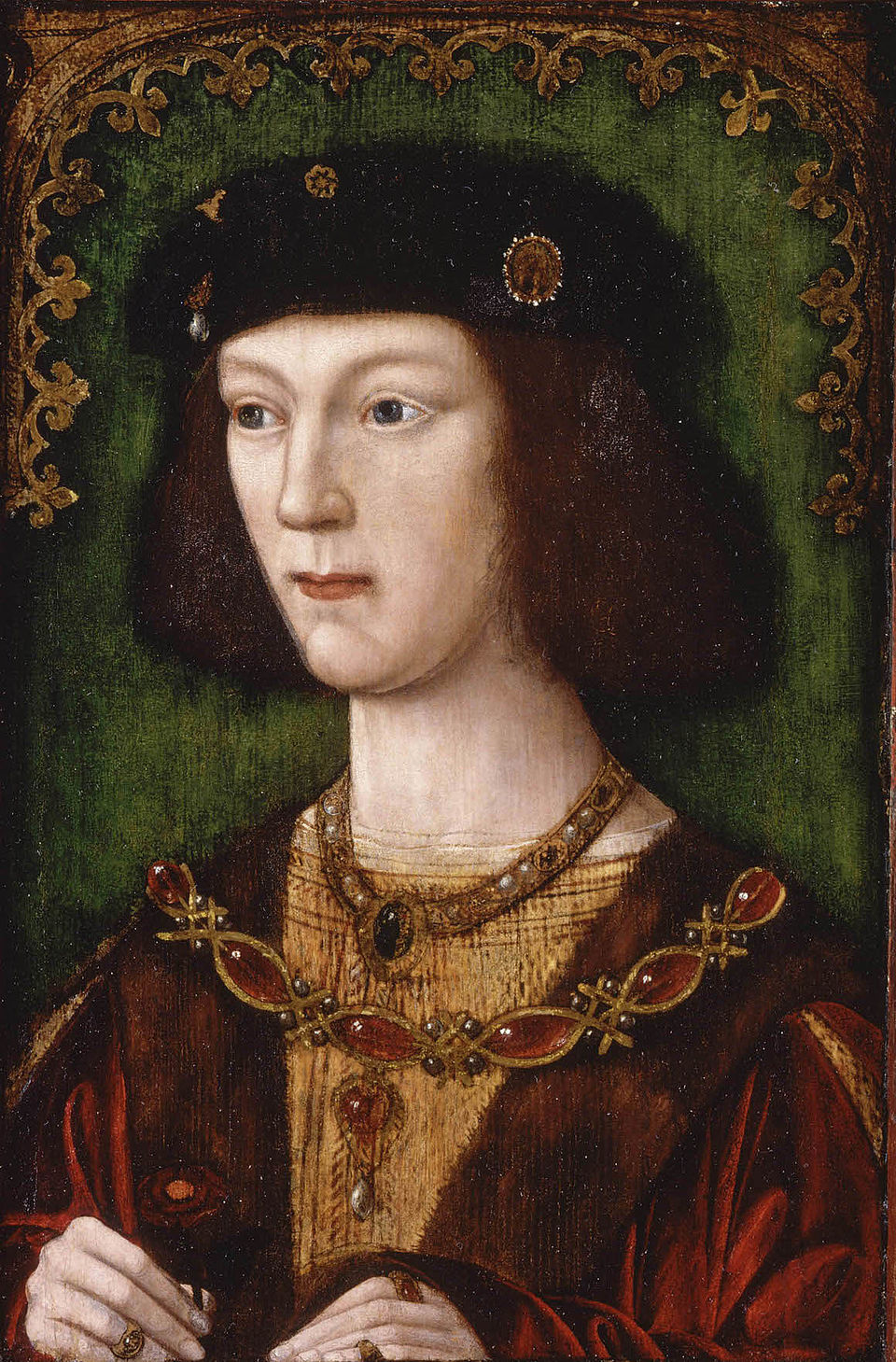
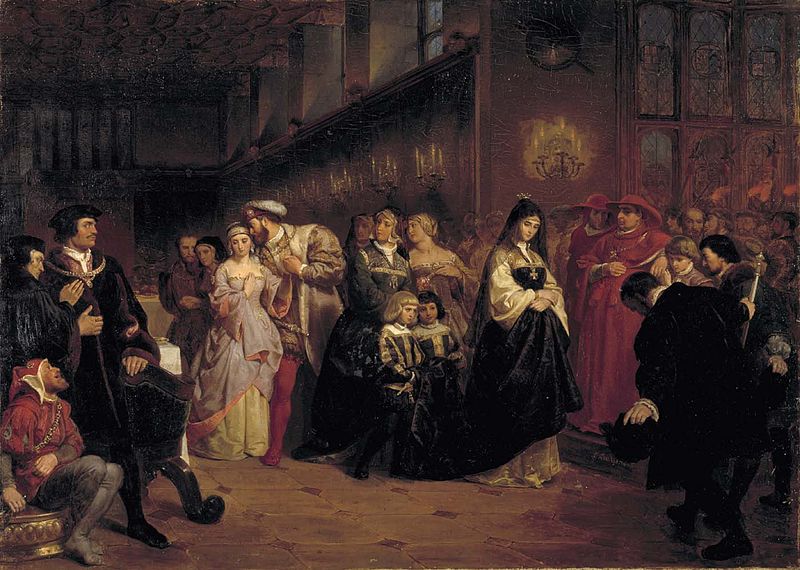
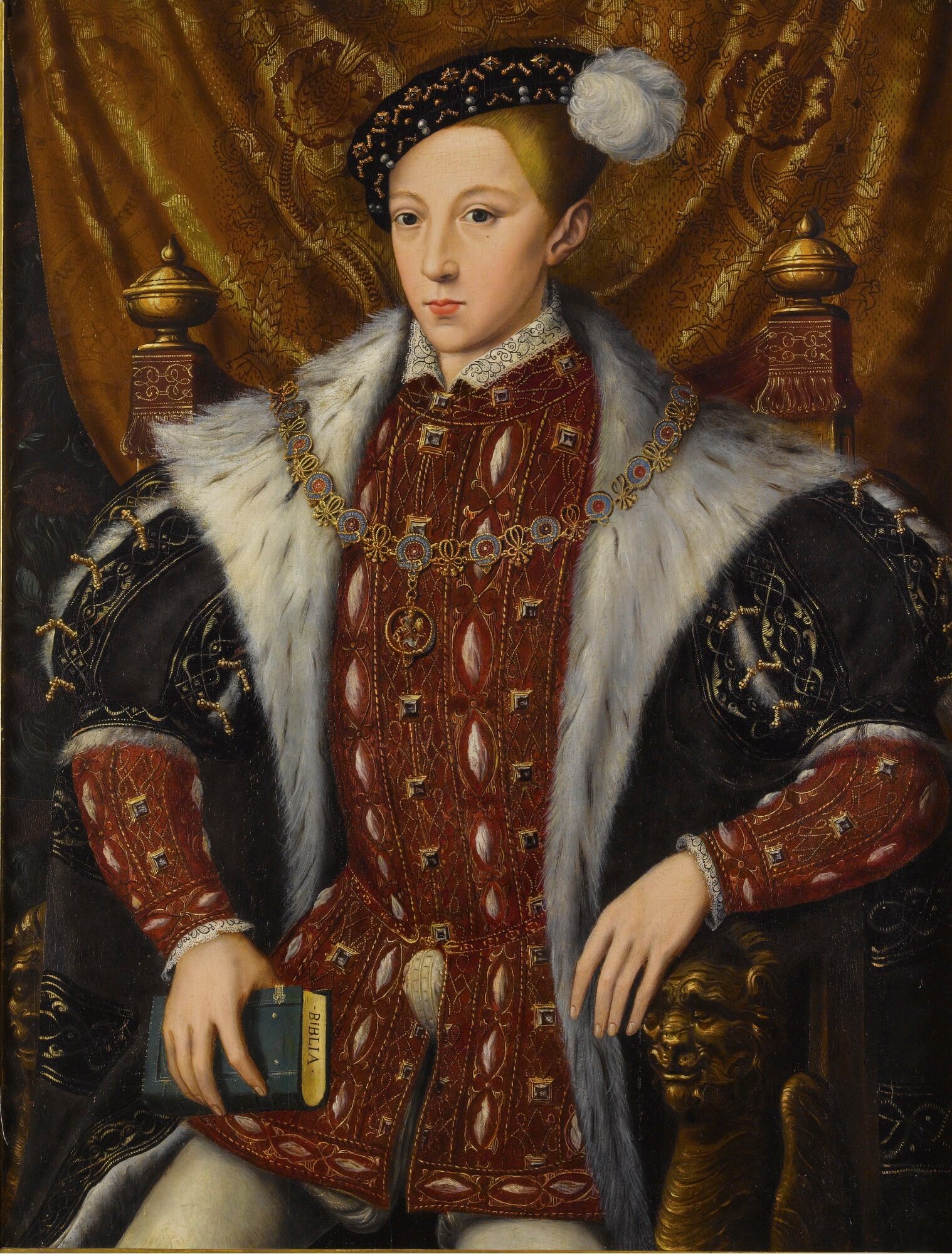
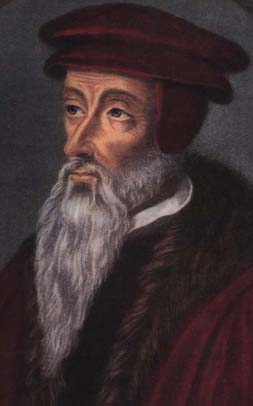
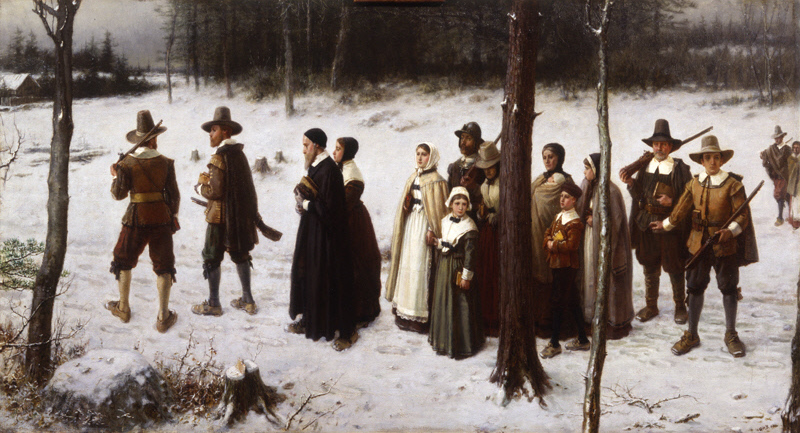
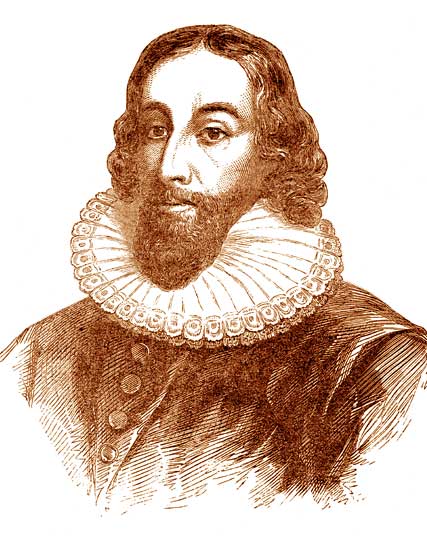
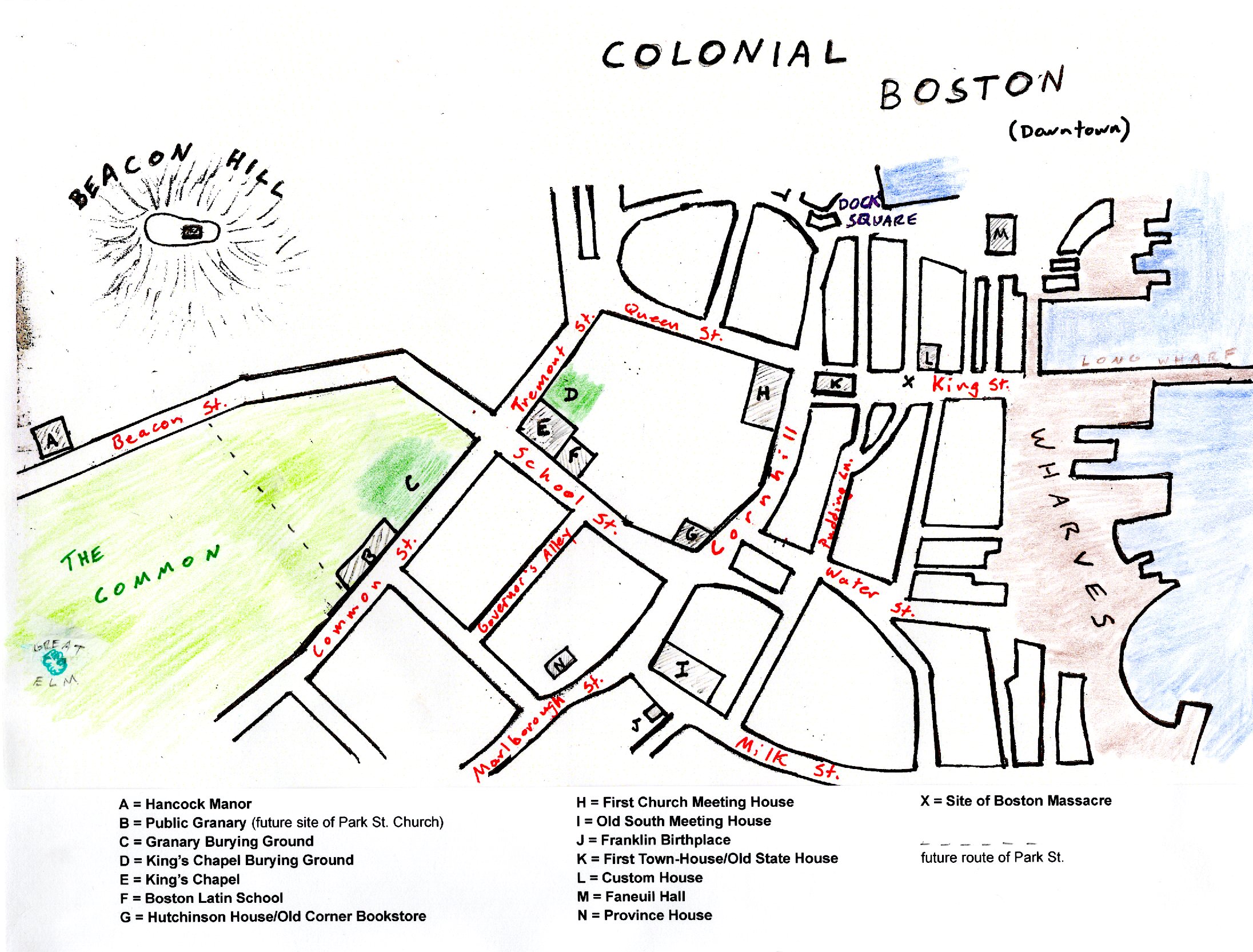
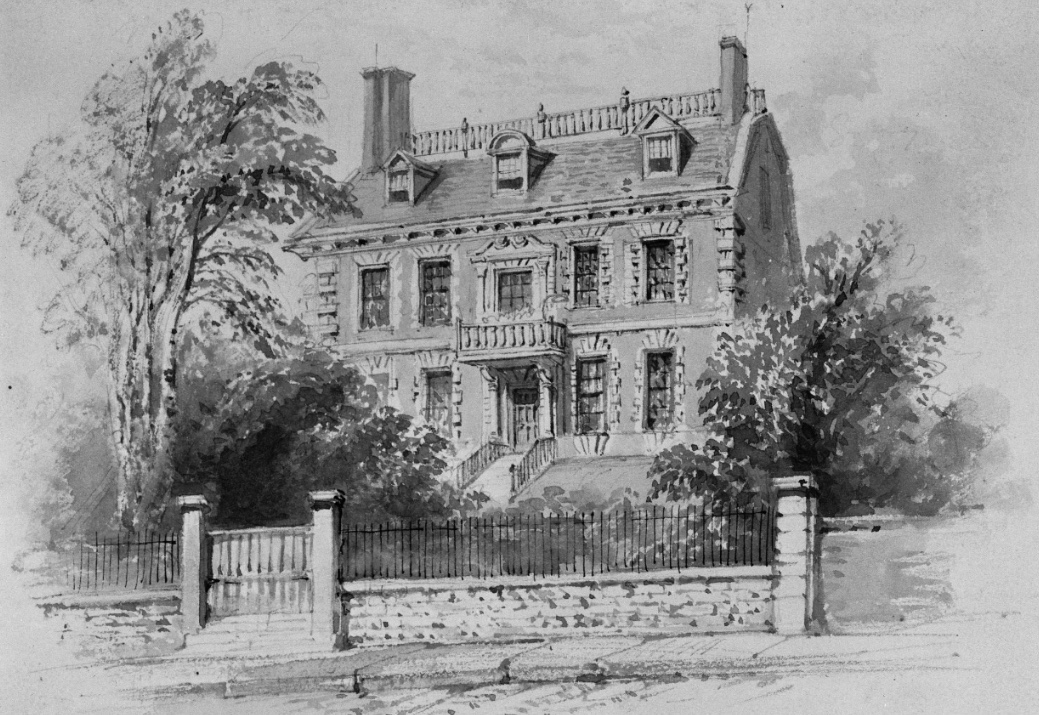
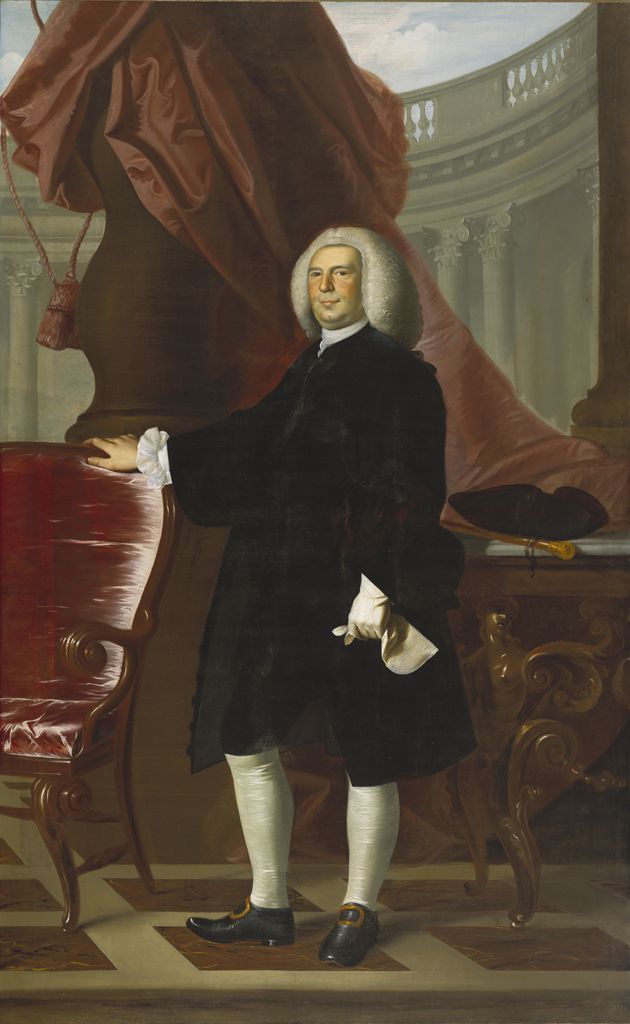

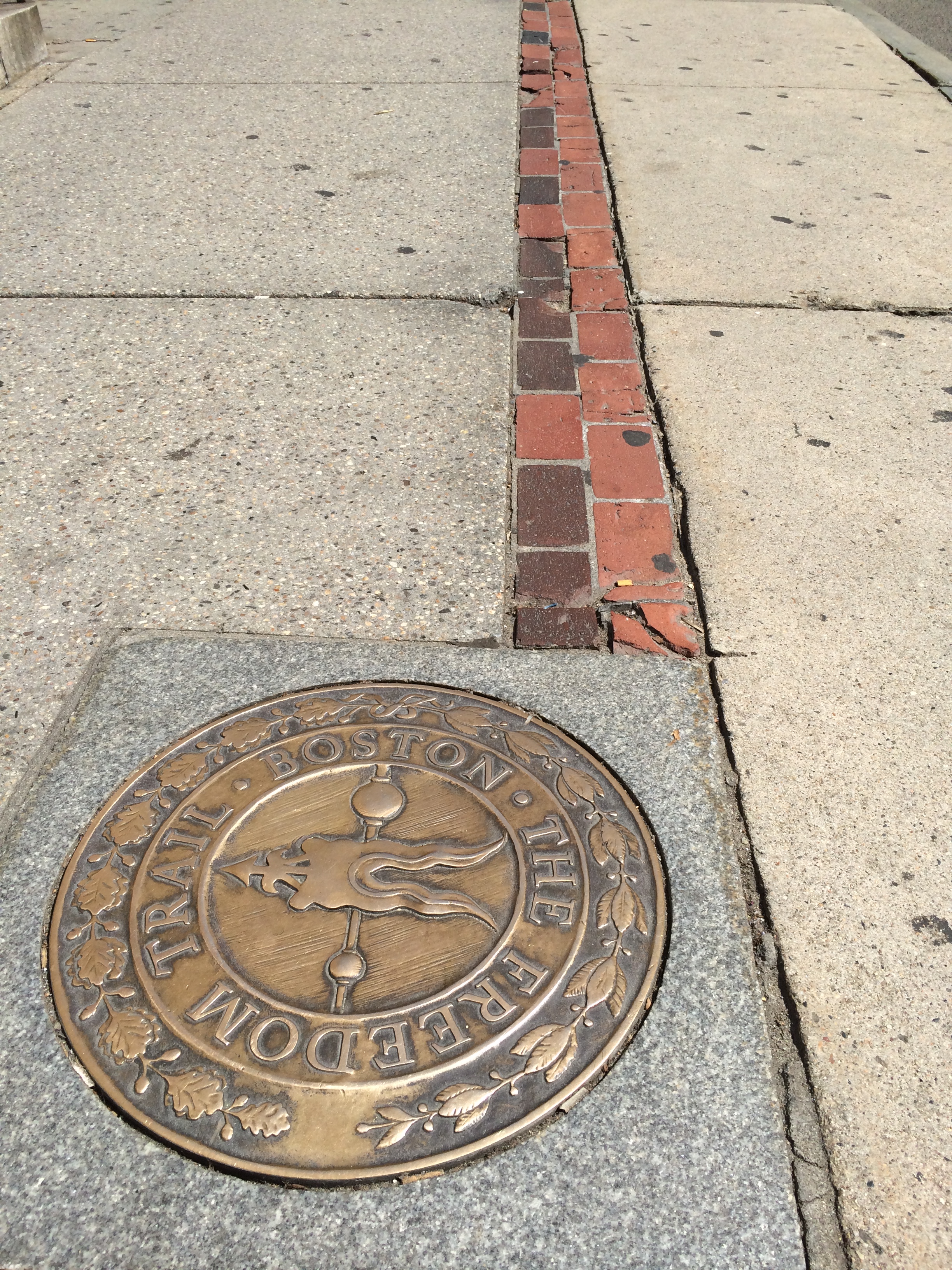
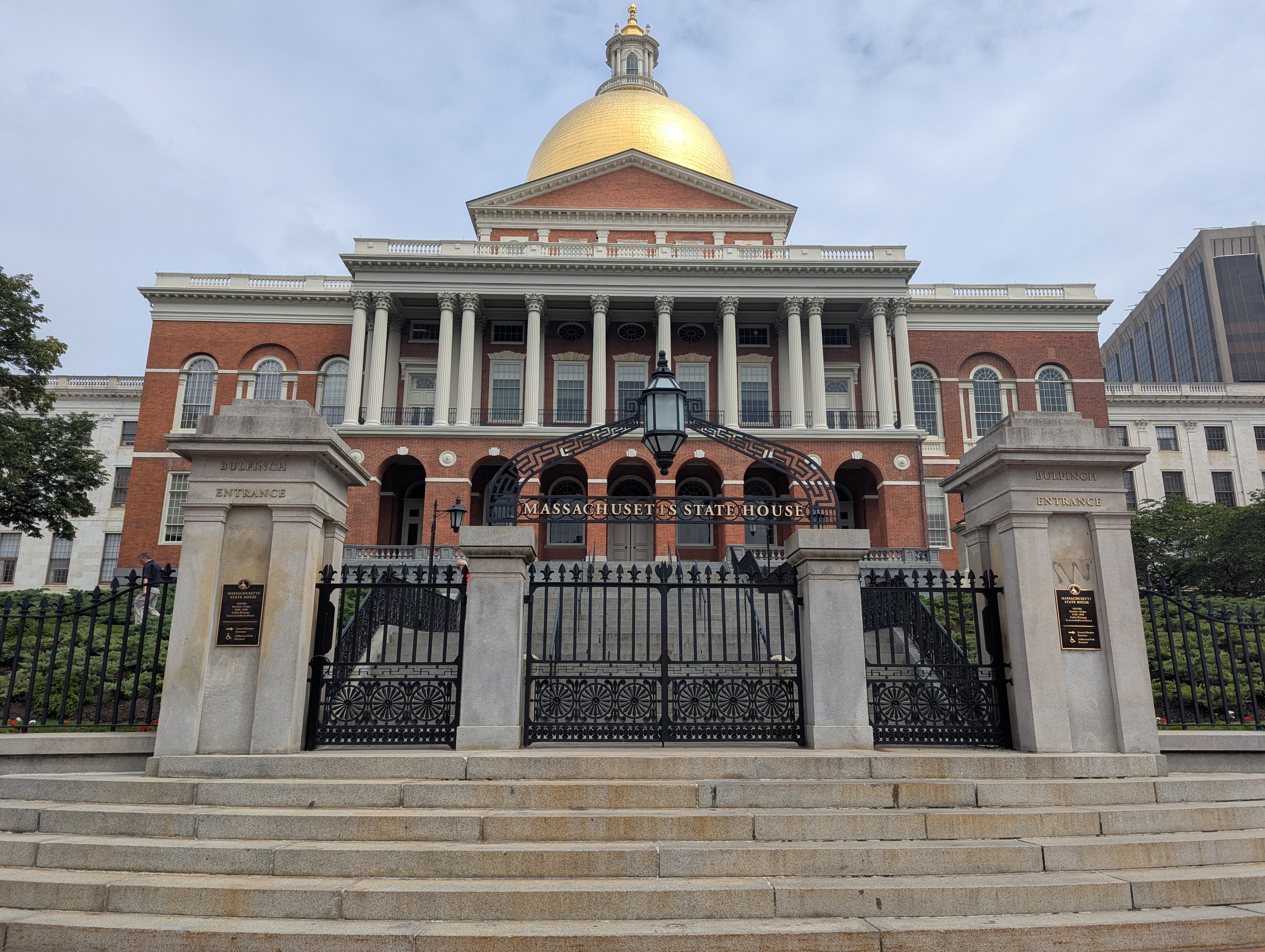


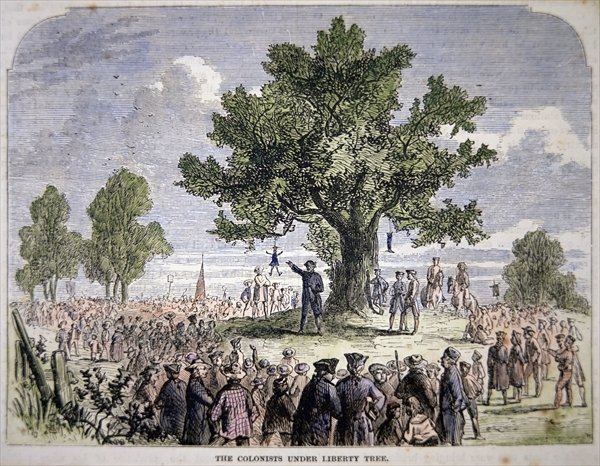

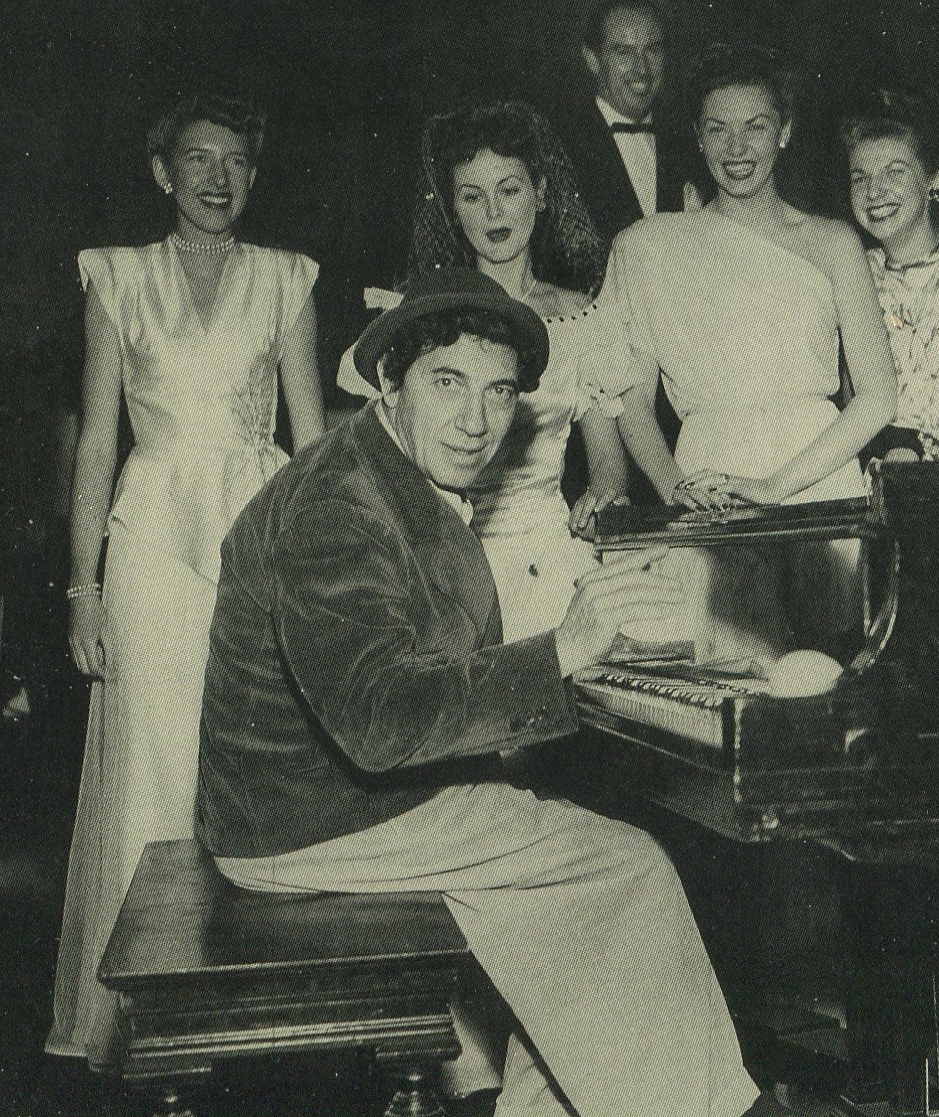


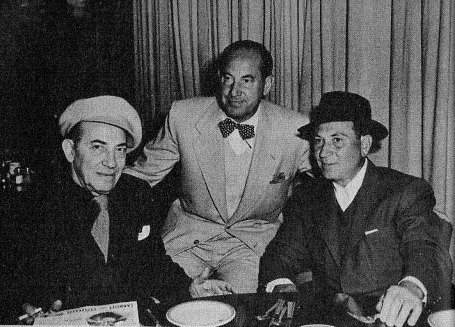
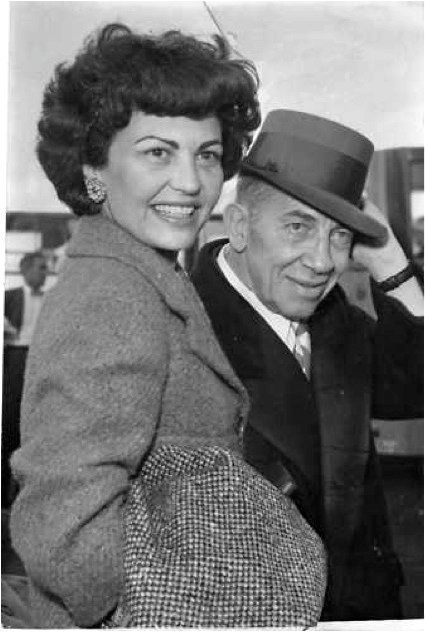


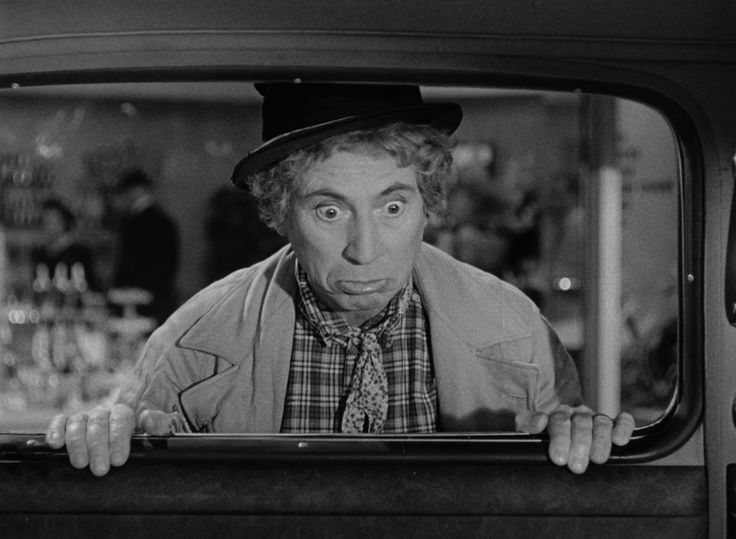


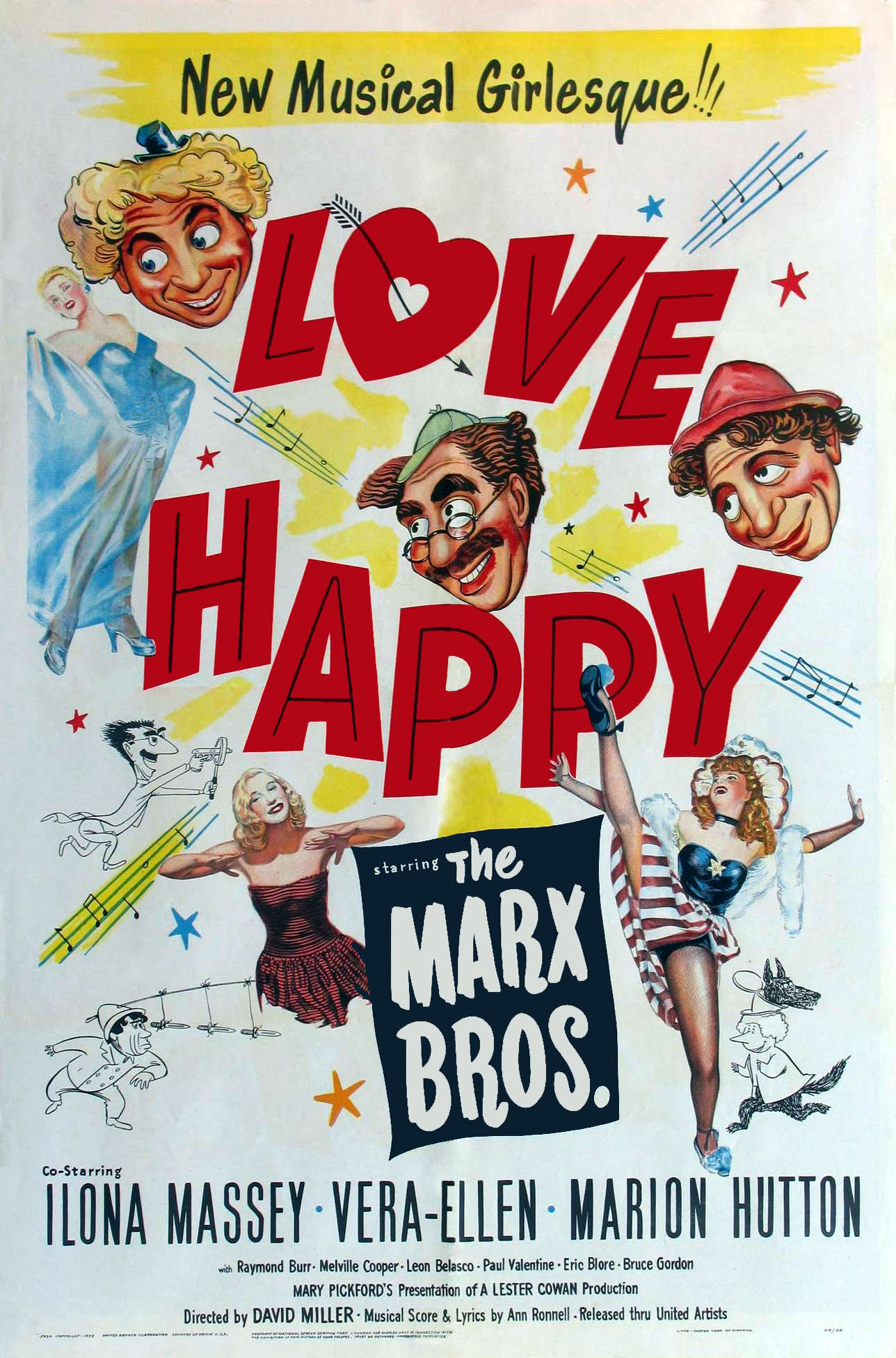

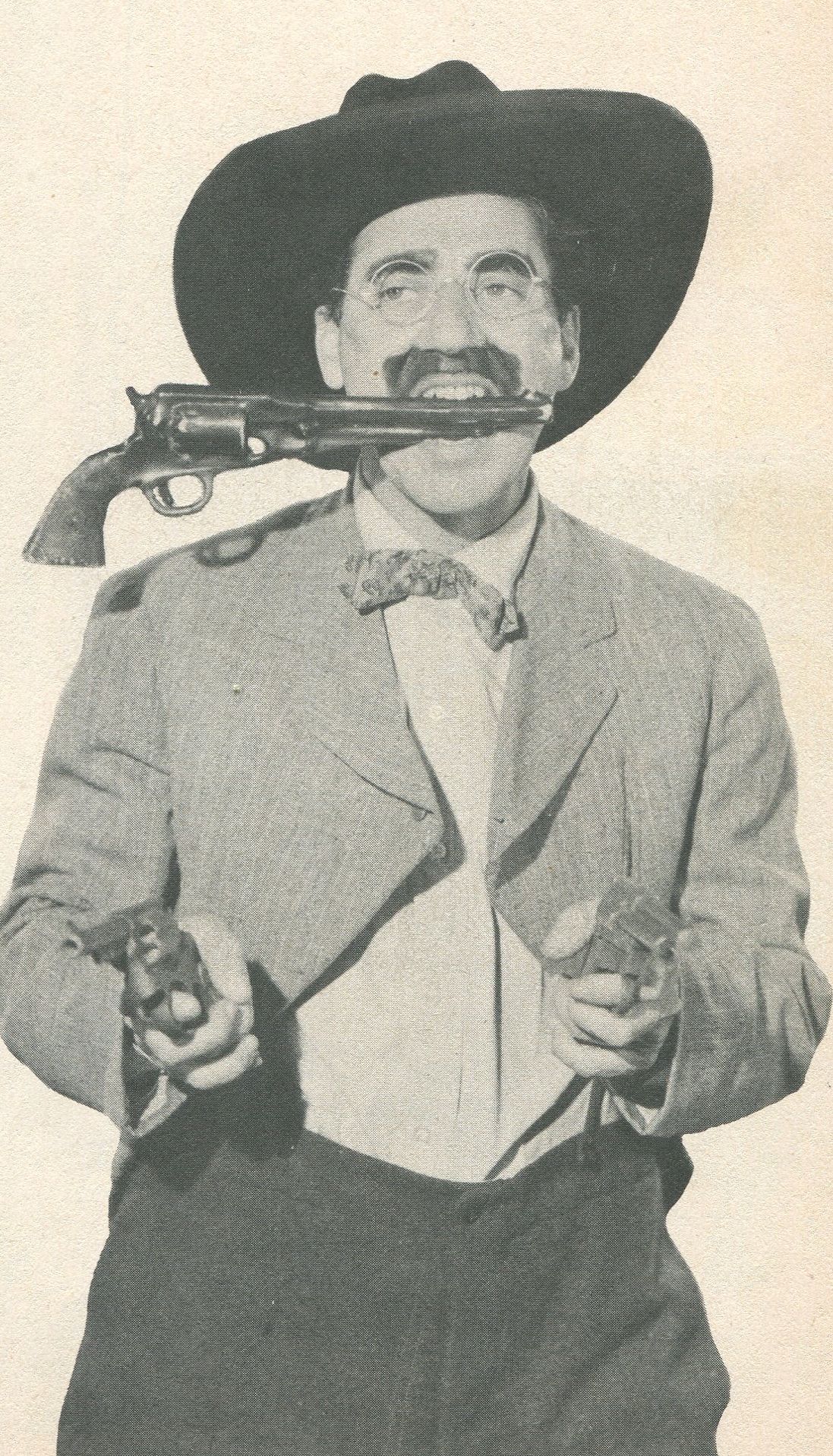


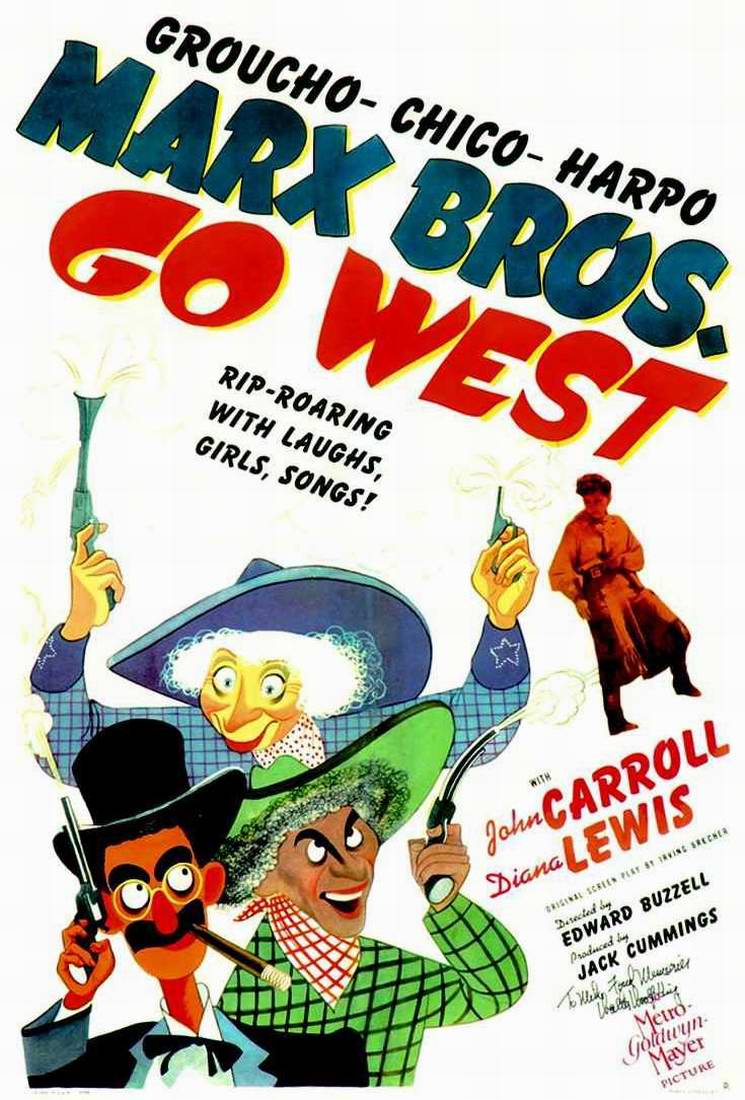
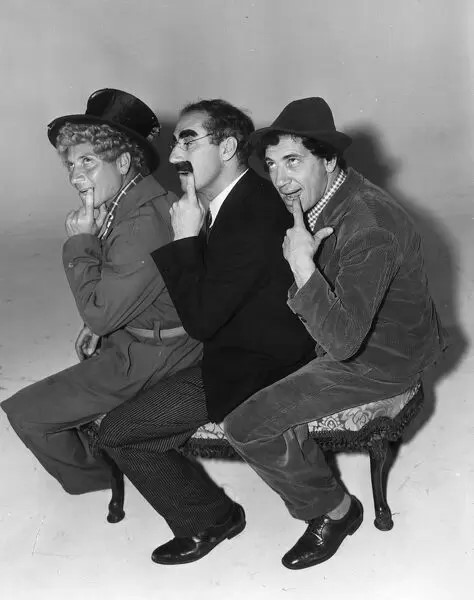
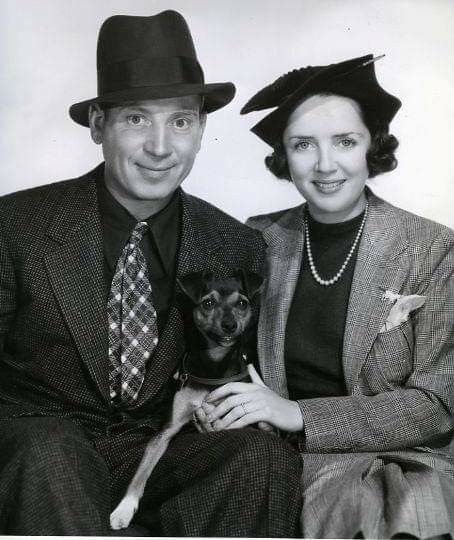

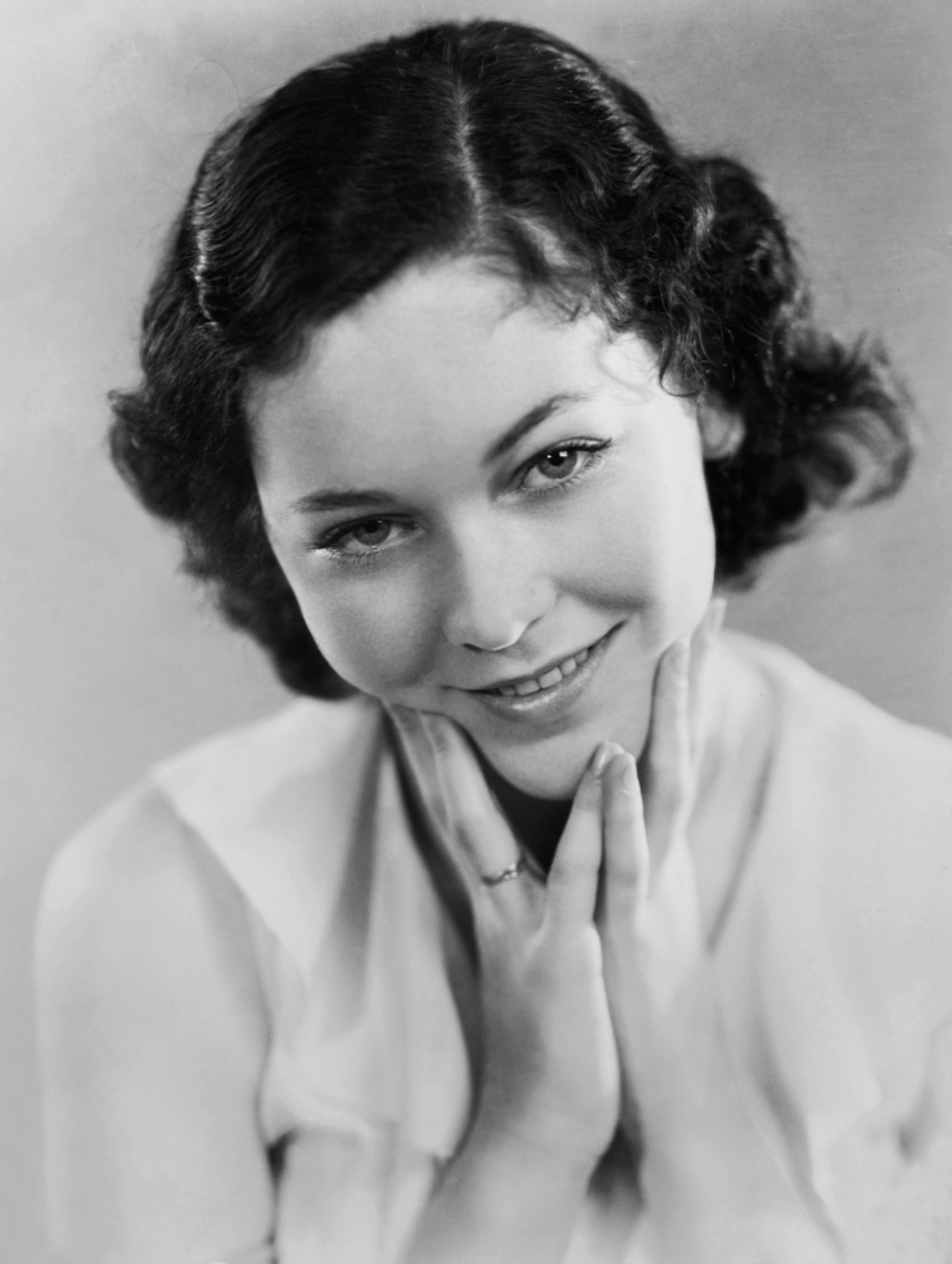
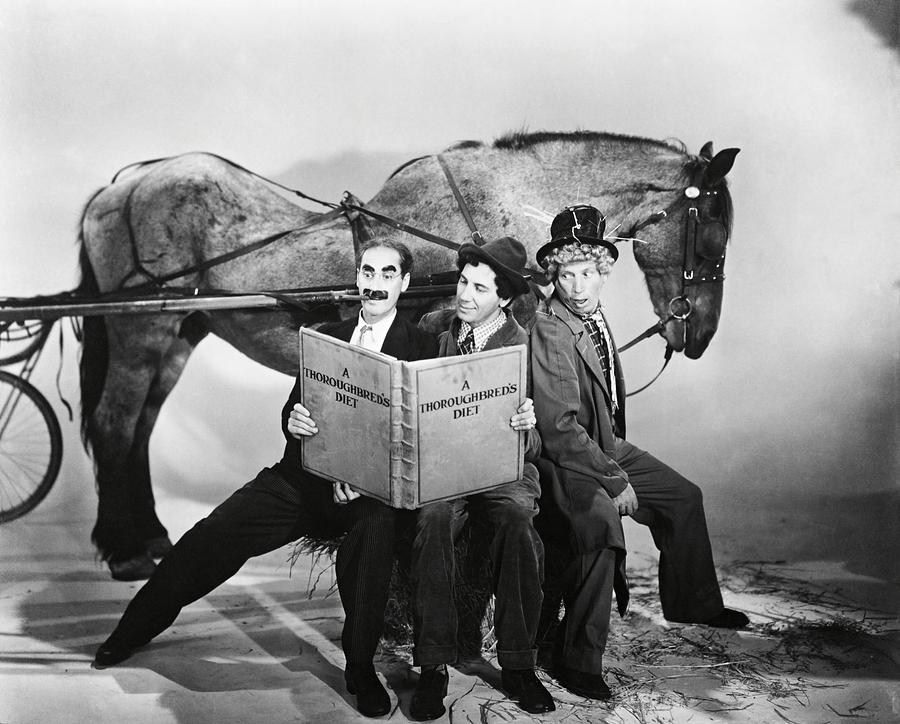


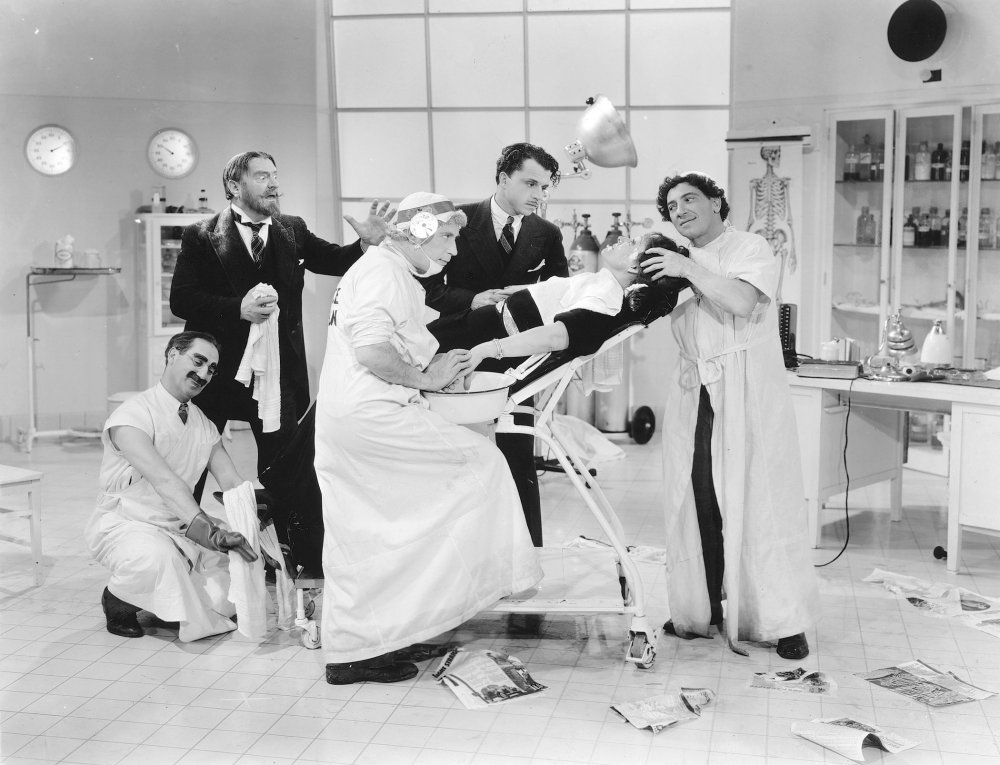


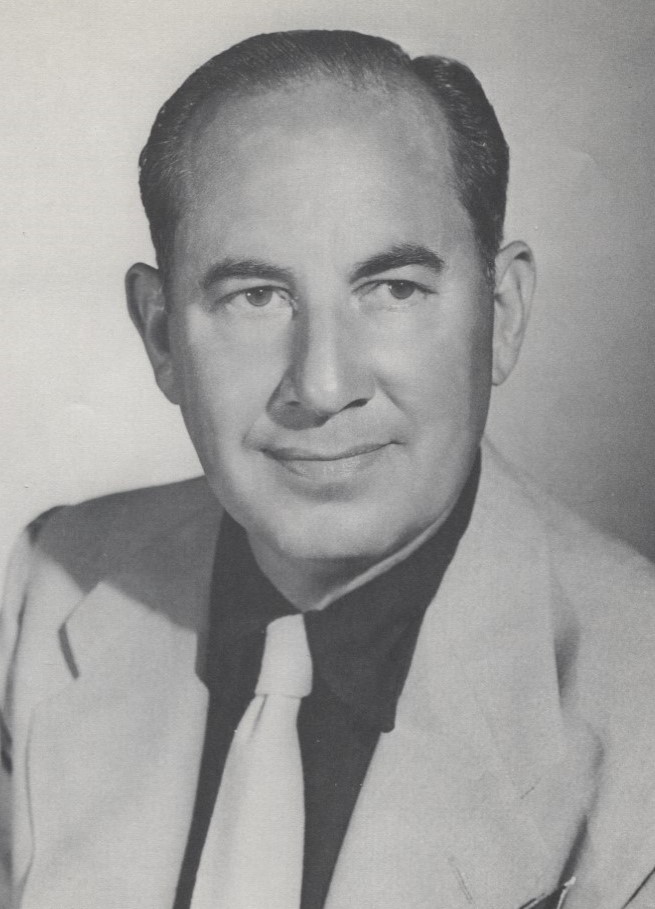
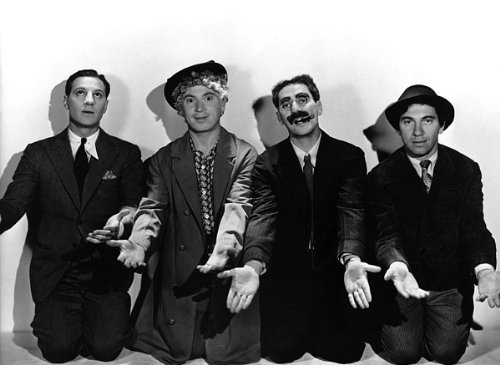


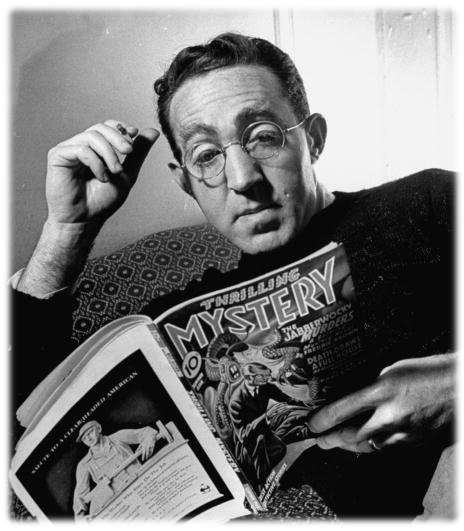

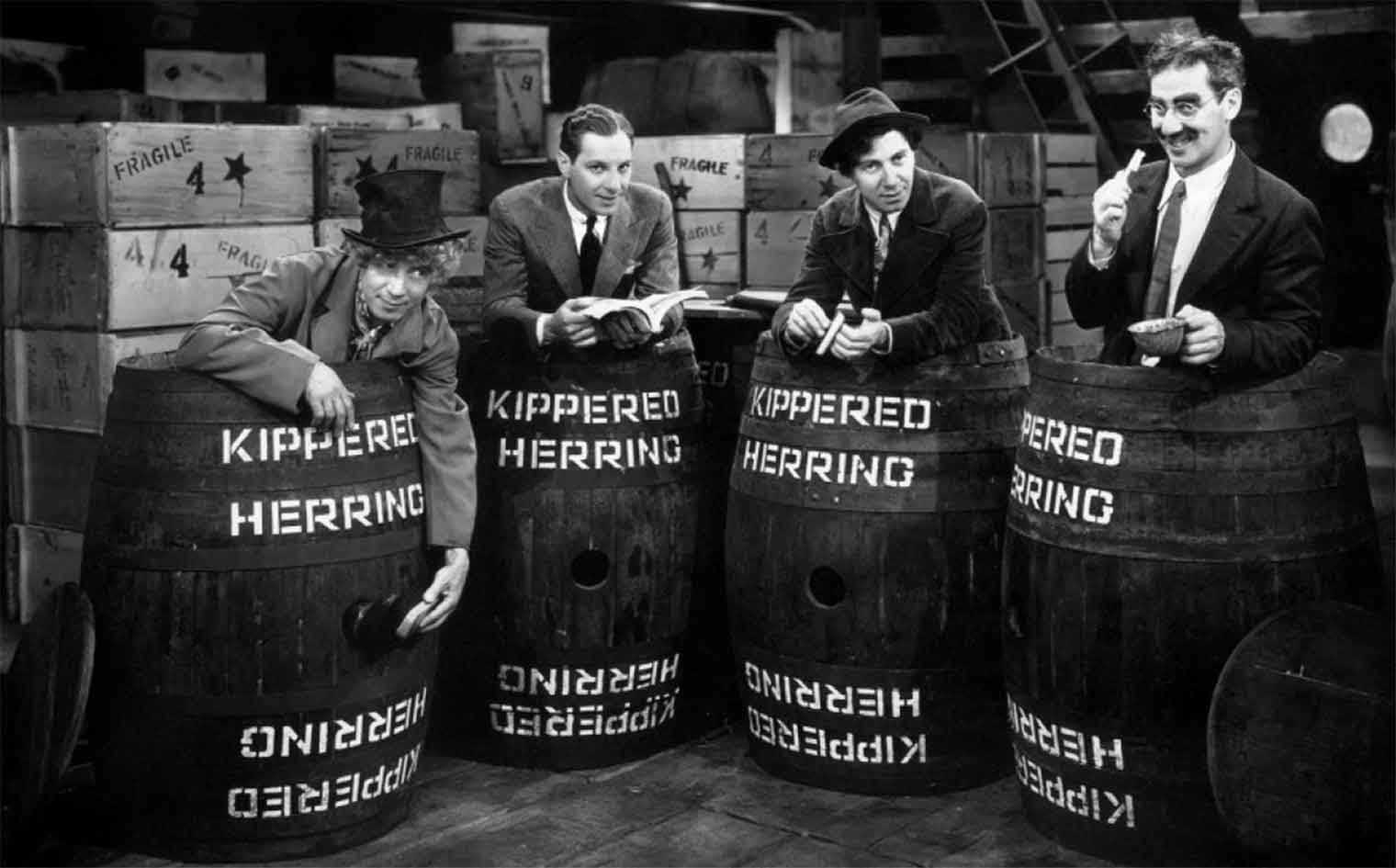
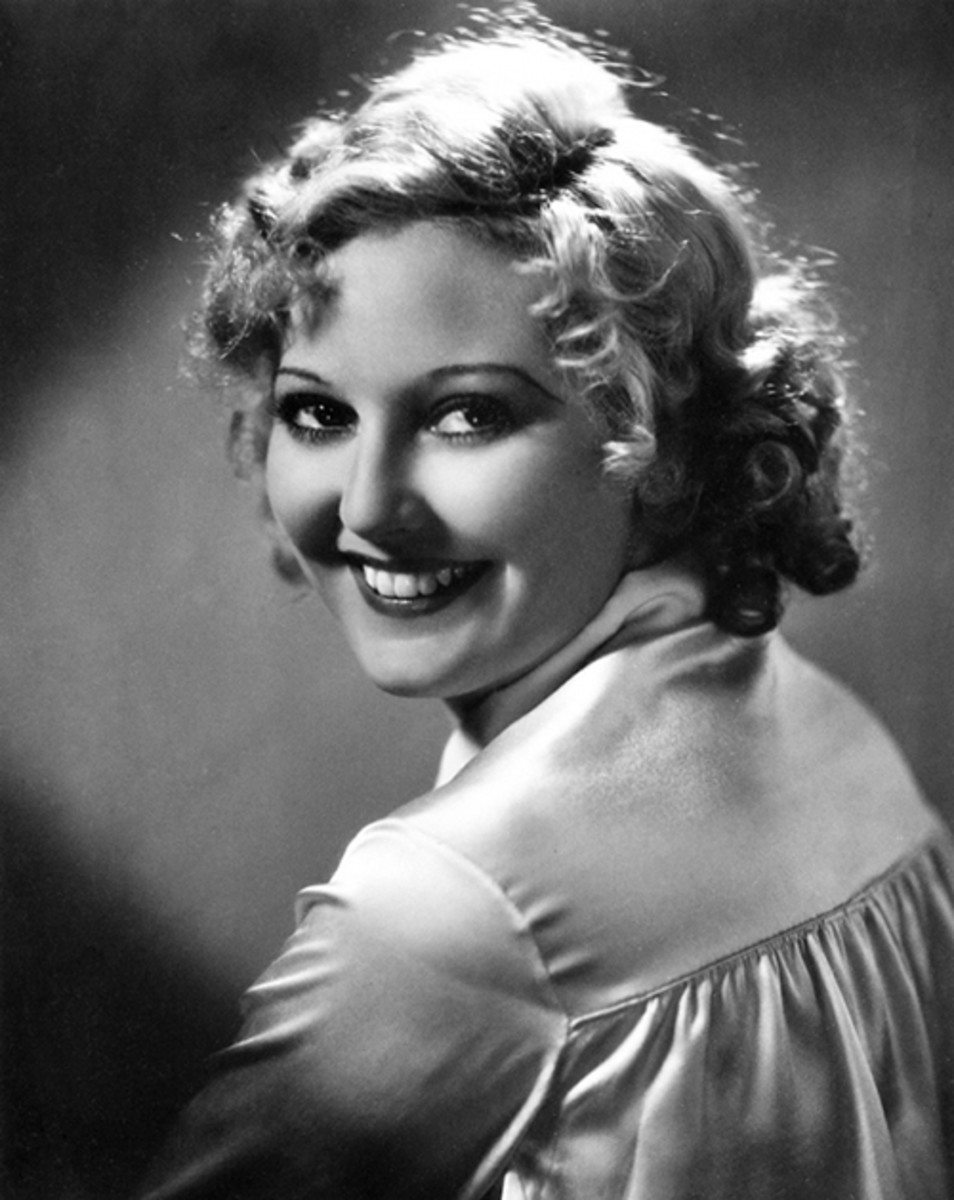

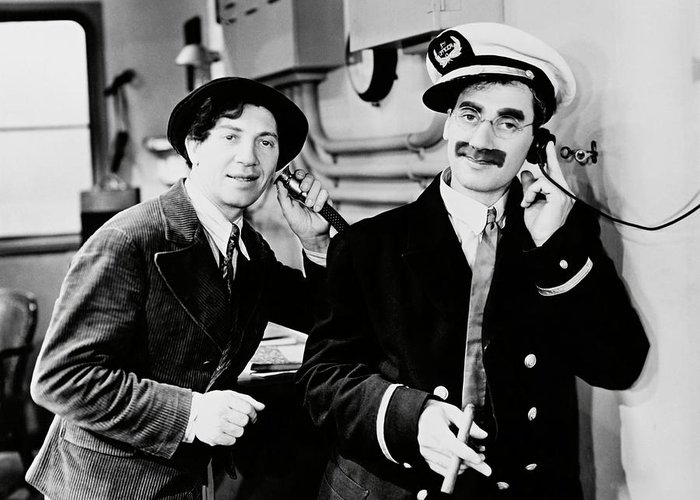

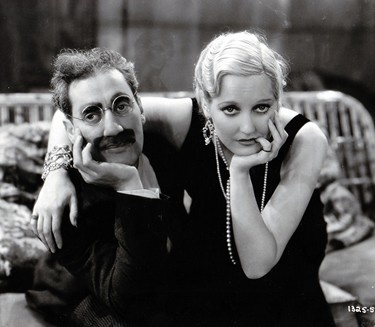

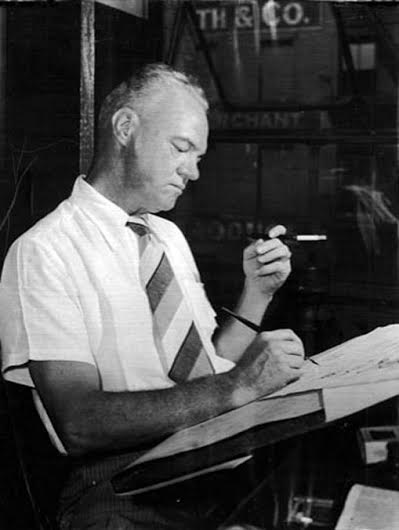

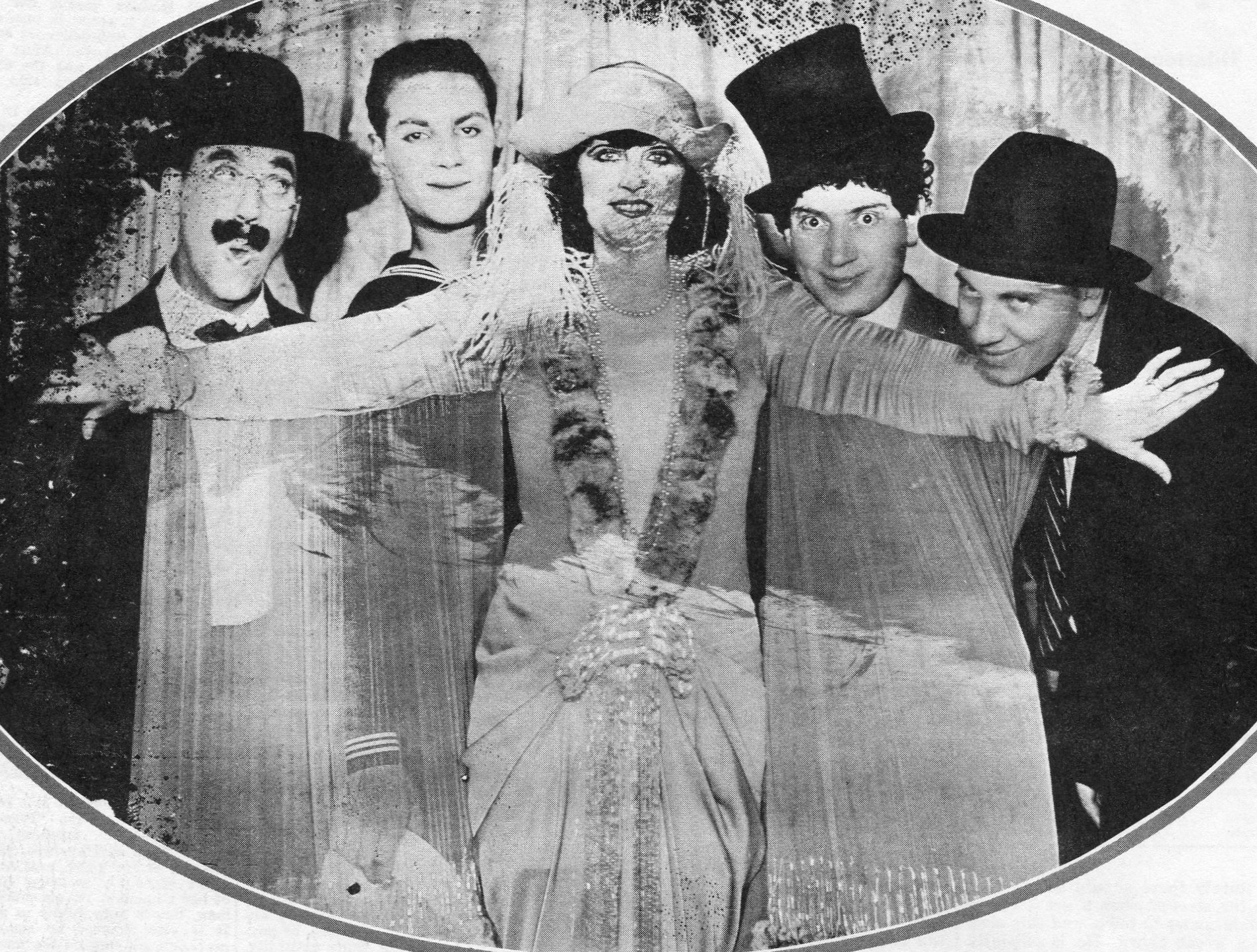
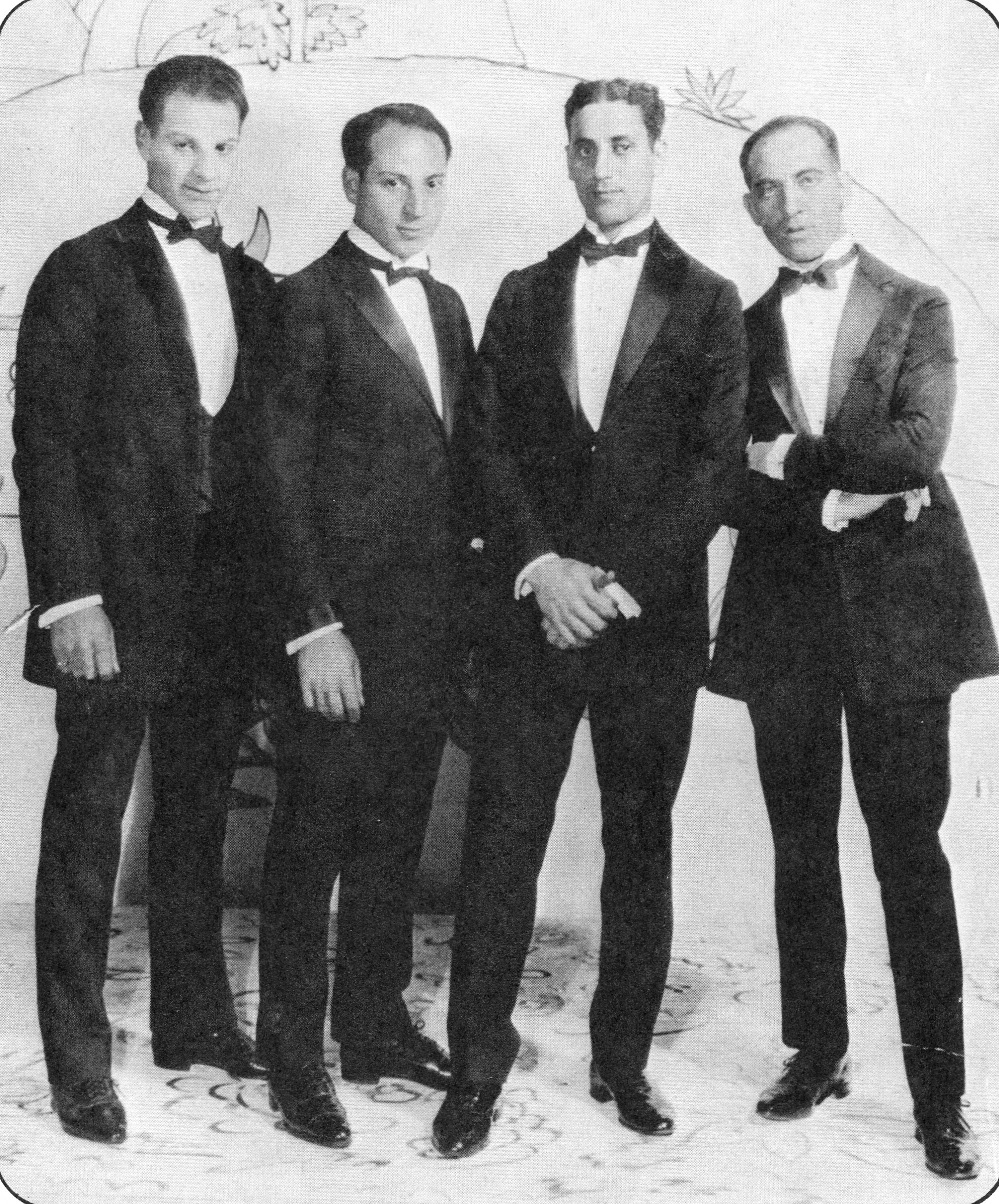


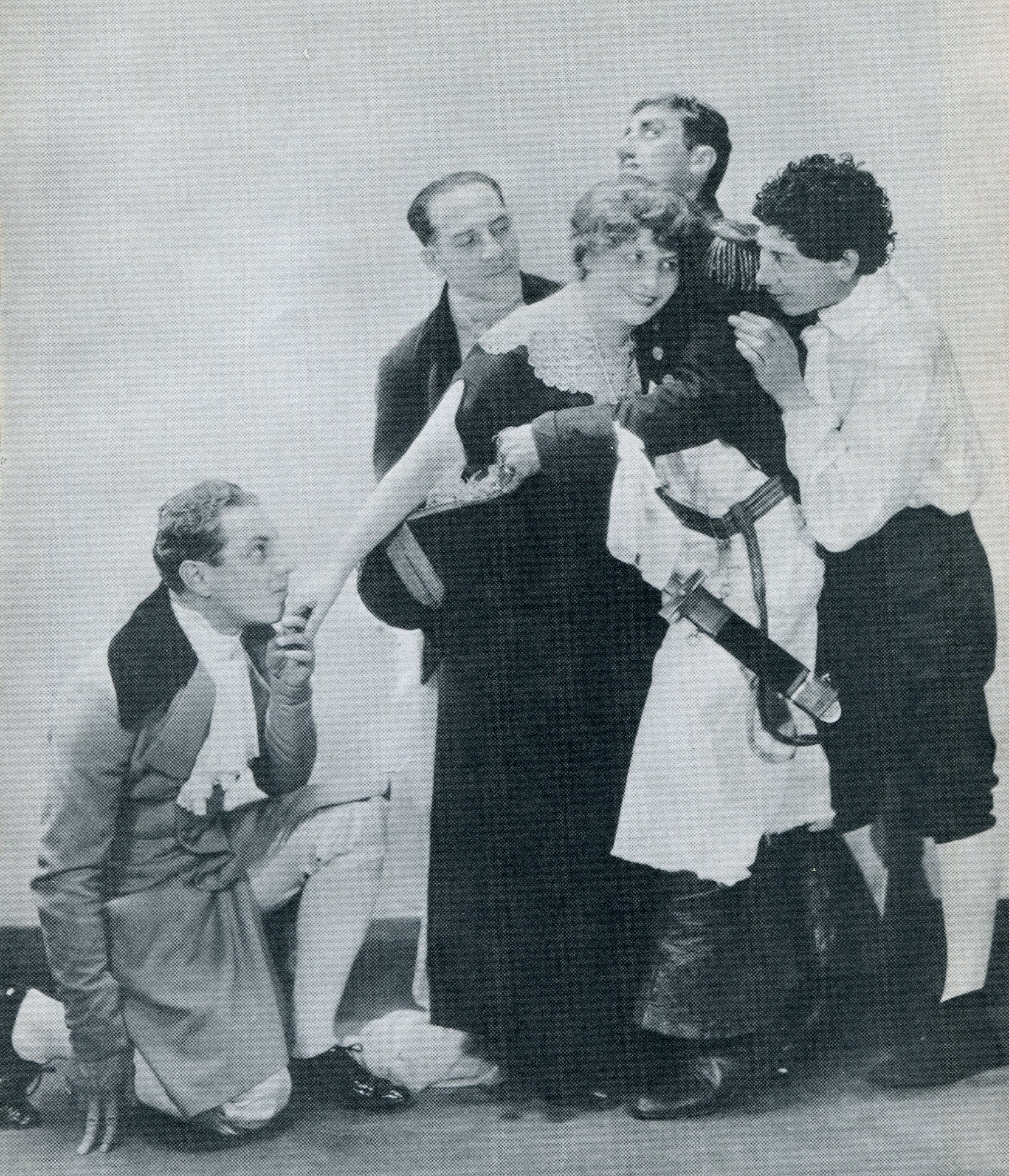


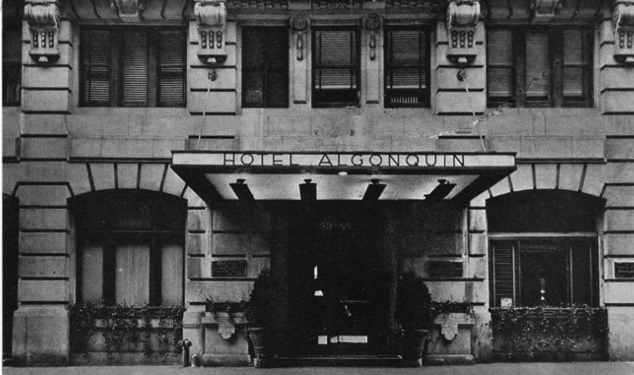
 Holy Bee of Ephesus