
Dateline: Davis, CA. COVID-19 “shelter-in-place” quarantine, March 18 through…?, 2020.
Exploring just a few of my Spotify playlists in roughly alphabetical order.
As I add my little autobiographical notes, try not to get chronological whiplash as I wildly veer back and forth between modern-day, my college years, my middle school years, and pre-school…
Tom Petty & The Heartbreakers were the best American band of the last four decades. Fight me.
Notice I didn’t say “greatest.” They had no interest creating moments of “sweeping grandeur” or delivering Major Statements. I didn’t say “innovative,” either. Several bands can probably top them on that. No, Tom Petty & The Heartbreakers simply settled for being the best, especially when you consider the length of their career. (Yes, best vs. greatest is a distinction I make in my own mind, but I think you know what I mean.)

They were always getting left out of the conversation because they made it look too easy. Whenever there would be debates about “best bands,” and people would be throwing around their R.E.M.s and Radioheads, it would always be up to me to say, “What about Tom Petty & The Heartbreakers?” There was always a short pause, then a lot of nodding and people murmuring “ohhh, yeah…” They were never #1 on anyone’s list, and often forgotten about…but no one could deny the goods they brought to the table, year in and year out.
Petty’s first two albums without the Heartbreakers — Full Moon Fever (1989) and Wildflowers (1994) also generated tons of favorites. In fact, the casual listener might be more familiar with Petty’s solo work than his Heartbreakers stuff. “Free Fallin’,” “Runnin’ Down A Dream,” “I Won’t Back Down,” “You Don’t Know How It Feels,” and several other radio staples all came from his solo work. Wildflowers is probably one of my top ten albums of all time (I haven’t ranked them in quite awhile), and Petty was working on an expanded, deluxe, remastered re-issue at the time of his death. (It finally came out on October 16th of last year.)
I’m convinced any doubters would be turned into Petty fans if they took the time to sit through Peter Bogdanovich’s four-hour documentary Runnin’ Down A Dream, perhaps the greatest (now I will say “greatest”) rock documentary ever if you have anything approaching an attention span. Behind his laidback demeanor and crooked grin, Petty ran the Heartbreakers like a benevolent dictator, an iron fist in a velvet glove. Always collaborative, always respectful…but undoubtedly always in charge. He had a steely resolve and a stubborn streak, but was one of the most principled and generous people in the rock & roll pantheon. Lead guitarist Mike Campbell was the “Tom Petty & The Heartbreakers” of Tom Petty & The Heartbreakers — underrated and overlooked, never getting his due as one of the best guitarists of the modern era. Keyboardist Benmont Tench was valued for his keen wit, his unerring taste, and reliable bullshit detector, not to mention his formidable, classically-trained musicianship.

To my (incredibly over-biased) ears, even their lowest moments never dipped too far below their high bar. Yes, the loose concept album The Last DJ (2002) didn’t really coalesce all that well, Mojo (2010) suffered from bloat, and Let Me Up (I’ve Had Enough) (1987) — the lowest of their not-that-low — sounded exhausted even in its title…but that’s about it. Three clunkers in forty years. I’ll take it. (OK, four clunkers — Petty’s third and final solo album, 2006’s Highway Companion, didn’t quite do it for me.)
Anyway, Tom Petty is really the founder of our little feast here. His death in October of 2017 spurred me to sign up to Spotify and begin laboring over my in-tribute playlist. He is one of the few artists to earn “100 song” status, and it’s still the playlist I’m proudest of — the perfect blend of major hits, deep album cuts, live tracks, obscurities, and side-project stuff.
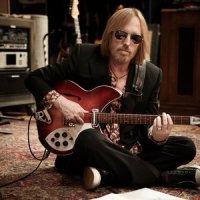 As much as I hate the trite term, seeing Tom Petty in concert was on my “bucket list.” I somehow kept missing him. I’d seen the Stones (twice). I’d seen Dylan (twice). I’d seen the Who (still with Entwistle). I’d seen McCartney. Petty was the only empty spot on my trophy shelf. The closest I came was when the woman I was dating in 2006 got us tickets, but we broke up before the concert. She ended up going with her ex-husband. So it goes.
For his 40th Anniversary Tour, I was gifted tickets by my wife Shannon’s family as an early birthday present. Just in time, too. Petty had been hinting this would be the last time he toured on this scale. The show was going to be at Sacramento’s brand-new Golden 1 Center, and was scheduled for August 25, 2017 — then was cancelled at the literal last minute. My in-laws were already on their way up from the Bay Area to join us when we got the alert on our phone — “As Tom Petty heals from laryngitis and bronchitis, he has been advised to take additional days off before performing.” My in-laws had to settle for dinner and a movie.
The show was re-scheduled for September 1. The in-laws made the trek east into the Sacramento Valley once more. This time, they were plunged into a pit of hellfire. I was afraid the respiratory-challenged Petty would cancel again — the air was soupy and almost unbreathable. Raging wildfires are now a seasonal event here in California, and we had a lively one going up in Butte County not too far away. The temperature hovered around 100 as the sun set, visible as a fiercely-glowing coal on the western horizon through layers of gray ash. Several people milling around the exterior of the Golden 1 Arena were actually wearing masks — an unusual and almost comical sight…at the time.
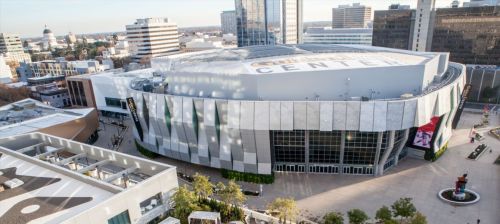
The Golden 1 Center, Sacramento, CA
Settling into my arena seat with a beer in hand, the conditions outside were forgotten. The opening act was a group of young Petty proteges from L.A., the Shelters. The sound was horrendous, but those kids were clearly having a blast being a rock & roll band, leaping around the stage and striking poses for the still-filling arena.
Once they wrapped up and cleared the stage, it wasn’t more than a few minutes before the house lights dimmed. (That’s what I love about attending concerts with an audience that skews, shall we say, older. They always start on time, because everyone wants to be in bed by ten-thirty.) Heartbreakers drummer Steve Ferrone came out to huge applause. He settled himself onto the drum stool, and gave his bass drum a few tentative kicks. I could feel the reverberation in my breastbone. Oh, this was going to be loud. The the rest of the Heartbreakers wandered onto the stage, putting down water bottles and picking up instruments. Then, in an instant, the house lights dropped altogether, the stage was awash in green and blue lights, and the Man Himself was before us — heavily bearded and in shades, blasting out the opening chords to “Rockin’ Around (With You)” from their 1976 debut album.
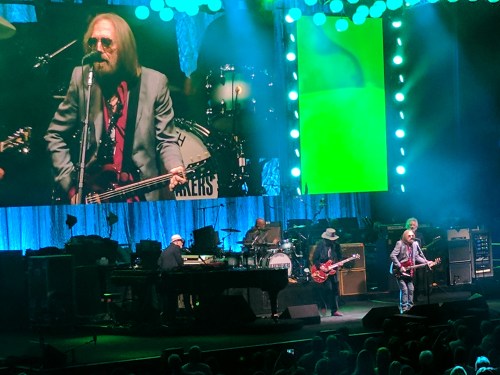
Onstage at the Golden 1 — September 1, 2017
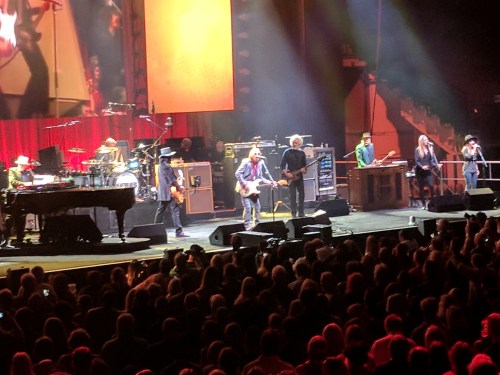
It was definitely a “greatest hits” type set, and fully half the songs were from his solo albums, a testament to their overall popularity. “Don’t Come Around Here No More” closed with an appropriately psychedelic extended freak-out, and Mojo’s “I Should Have Known It” pulsed with new life, re-interpreted as a Clapton-style blues guitar showcase for Mike Campbell. The sound was still a little muddy (basketball arenas are not concert halls), but the power and authority of the performance was towering. I emerged into the dark, smoky air deliriously happy, the encore “American Girl” still ringing in my ears. I looked forward to seeing Petty again someday in what he said would be his new concert incarnation — smaller, more intimate venues, stripped-down, Deep Cuts.
Petty played four more shows after Sacramento — the KAABOO Festival in Del Mar, then three nights at the Hollywood Bowl. Then he died on October 2, 2017 from a cardiac arrest triggered by an overdose of pain medication. The night I saw him, he was likely in agony the whole time from a fractured hip, but soldiered on and played a great show. He kept quiet about the hip injury in order to finish the tour and keep his band and his road crew employed.
(Pointless aside — according to my research, it is more stylistically correct to keep the article “the” before a band name lowercase unless it starts the sentence. It’s “the Beatles,” not “The Beatles,” despite what 9 out of 10 websites and even many professional writers go with. So I’ve been sticking to that rule. Unless the band name follows an ampersand. I don’t care what’s stylistically correct, “Tom Petty & the Heartbreakers” just looks wrong to my tiny mind. It’ll be “Tom Petty & The Heartbreakers” here.)


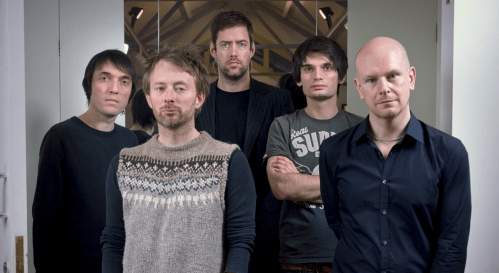
 Radiohead’s debut album is the one most likely to be dismissed as sub-par (especially by the band themselves). I thought it was pretty good, although the oppressive sulkiness of the lyrics precludes me from saying I “enjoyed” it. The production team of Paul Kolderie and Sean Slade were chosen for their work with the Pixies and Dinosaur Jr. and it shows. The quiet/loud/quiet dynamic of the Pixies (also used by Nirvana to great effect) and guitar crunch of Dinosaur Jr. are the dominant modes of
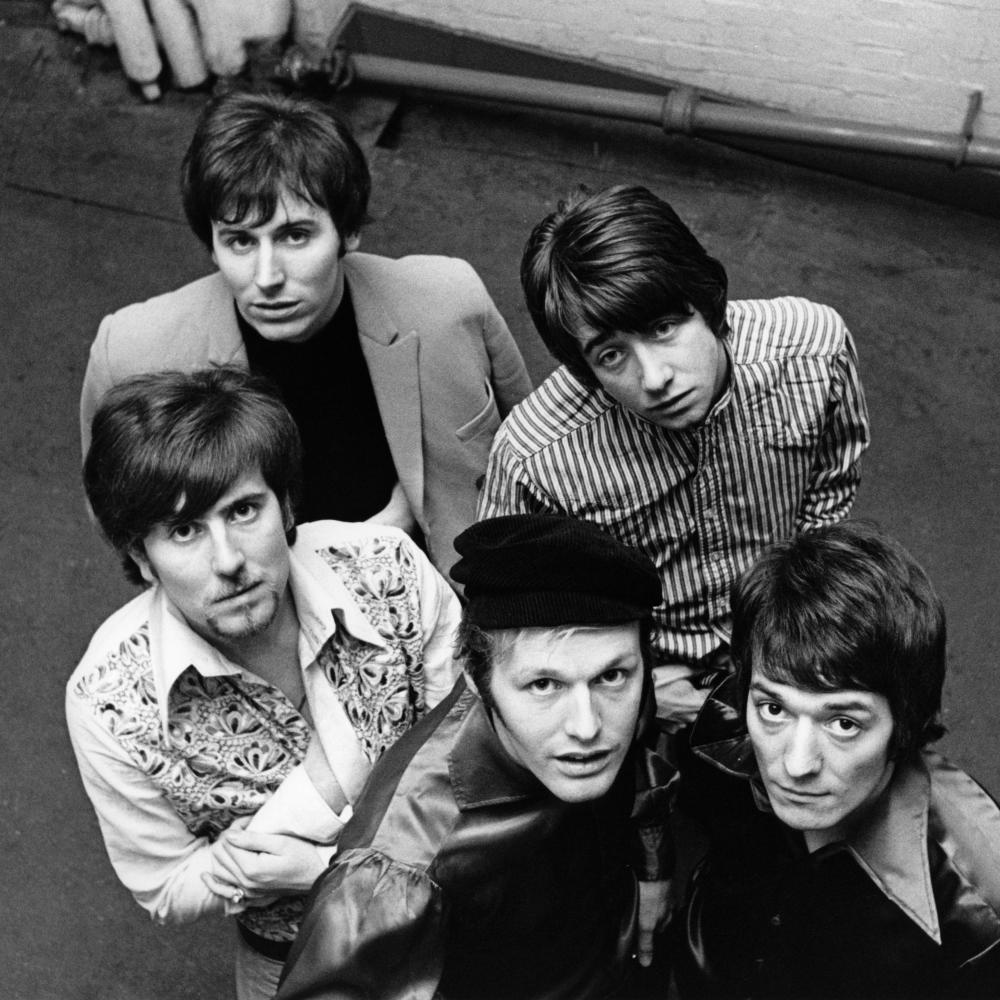


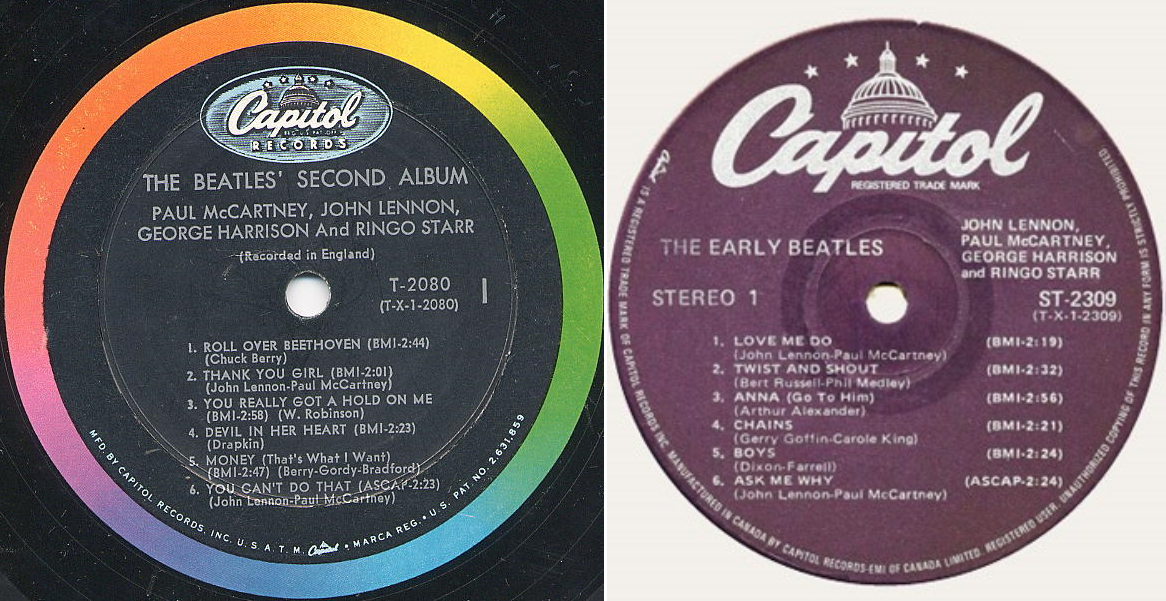
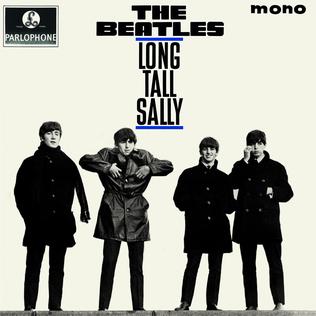 the demand for new Beatles product by expanding the potential “Long Tall Sally” single into an EP — an “extended play” four-song 45-rpm, a format that was quite popular in Britain but never caught on in the States.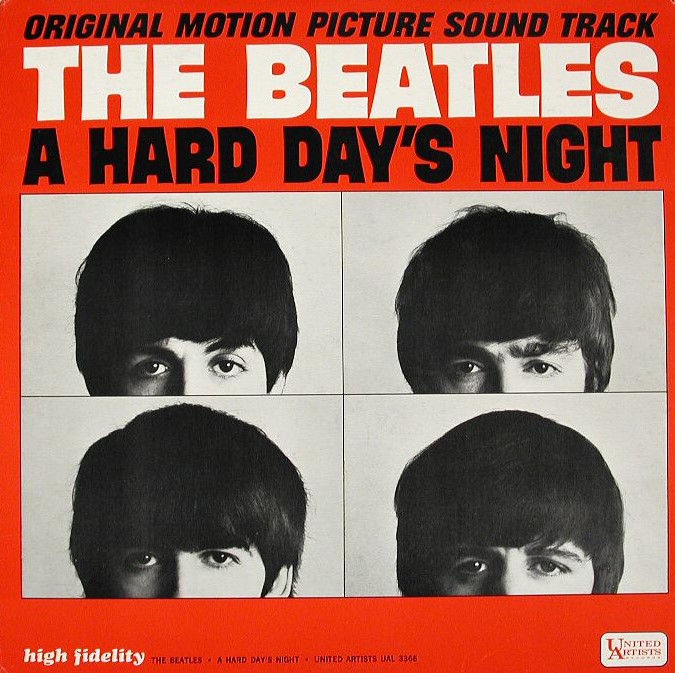
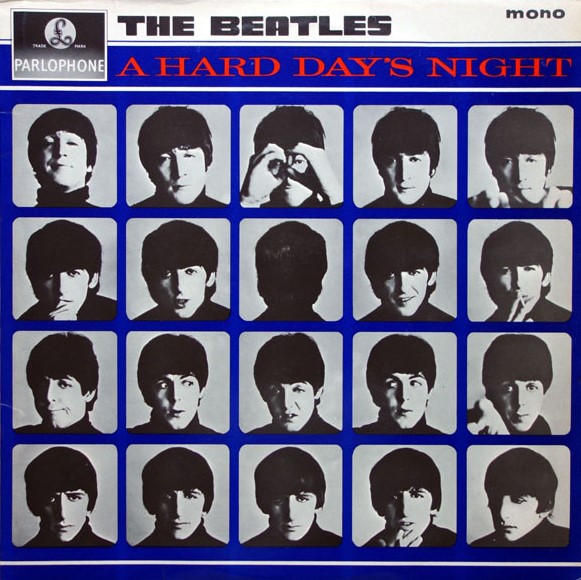 album on July 10, 1964, with the following track list: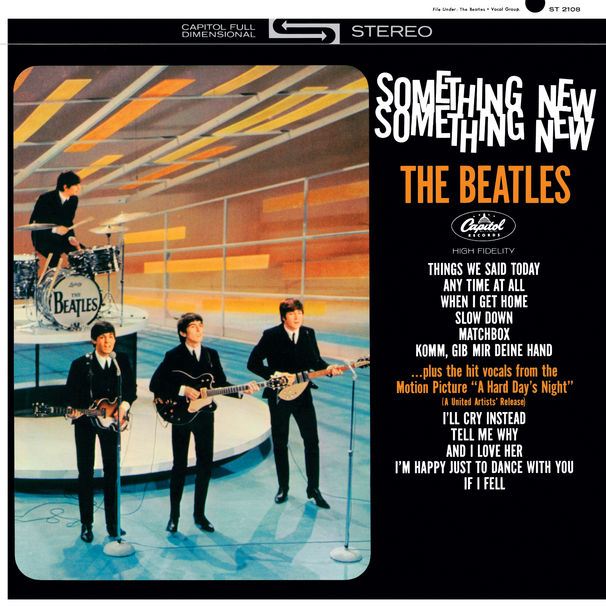


 I co-founded the
 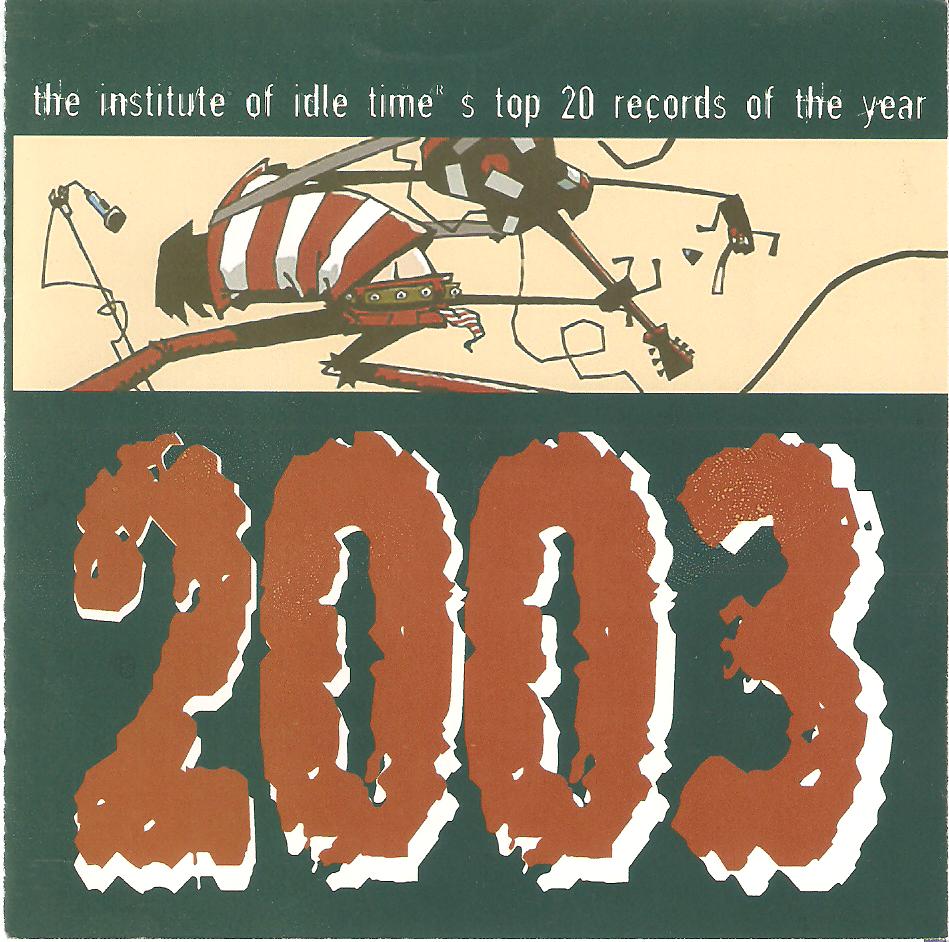 We went from friends, happy to find common ground in something like 02’s
  Membership expanded and became fluid — different members have come and gone over the years (including myself, as we’ll see), but it always seems to hover around ten.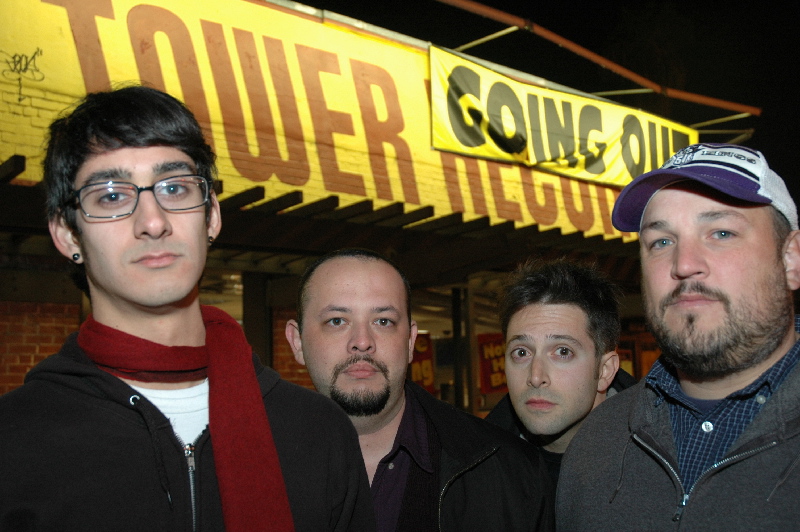

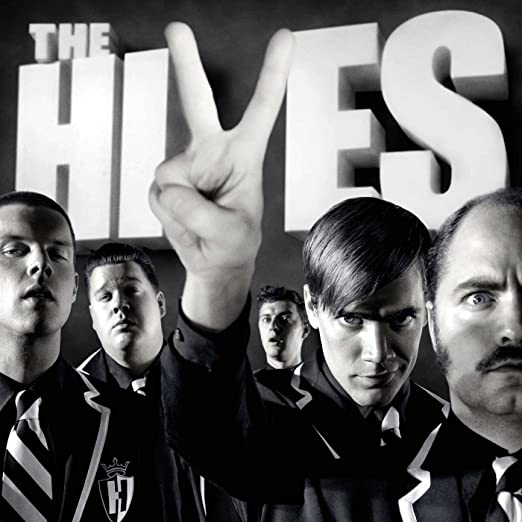
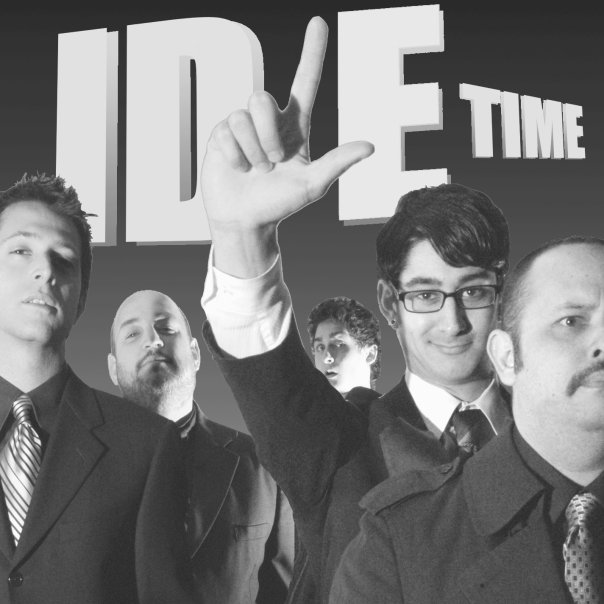
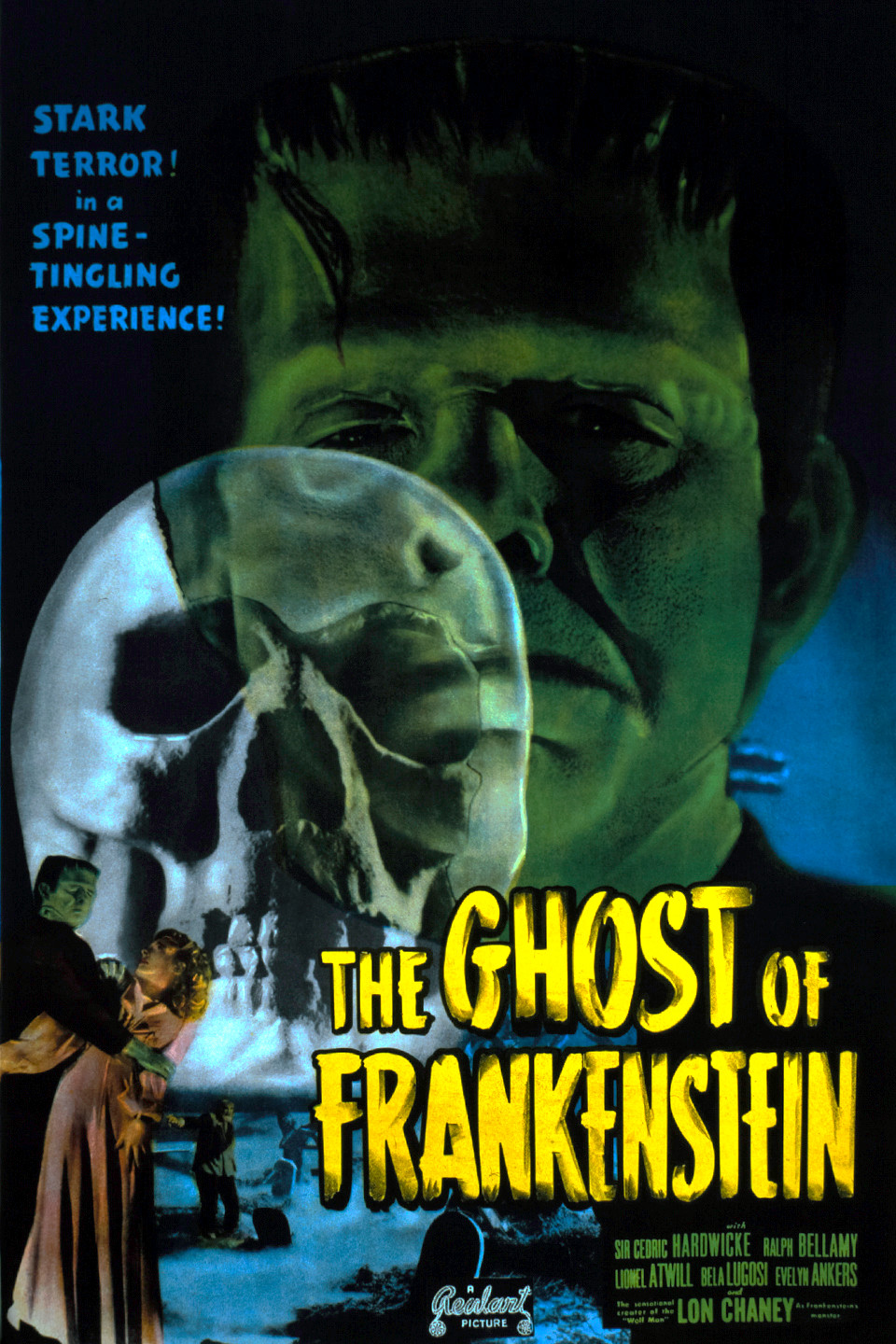 The Ghost of Frankenstein
 Holy Bee of Ephesus