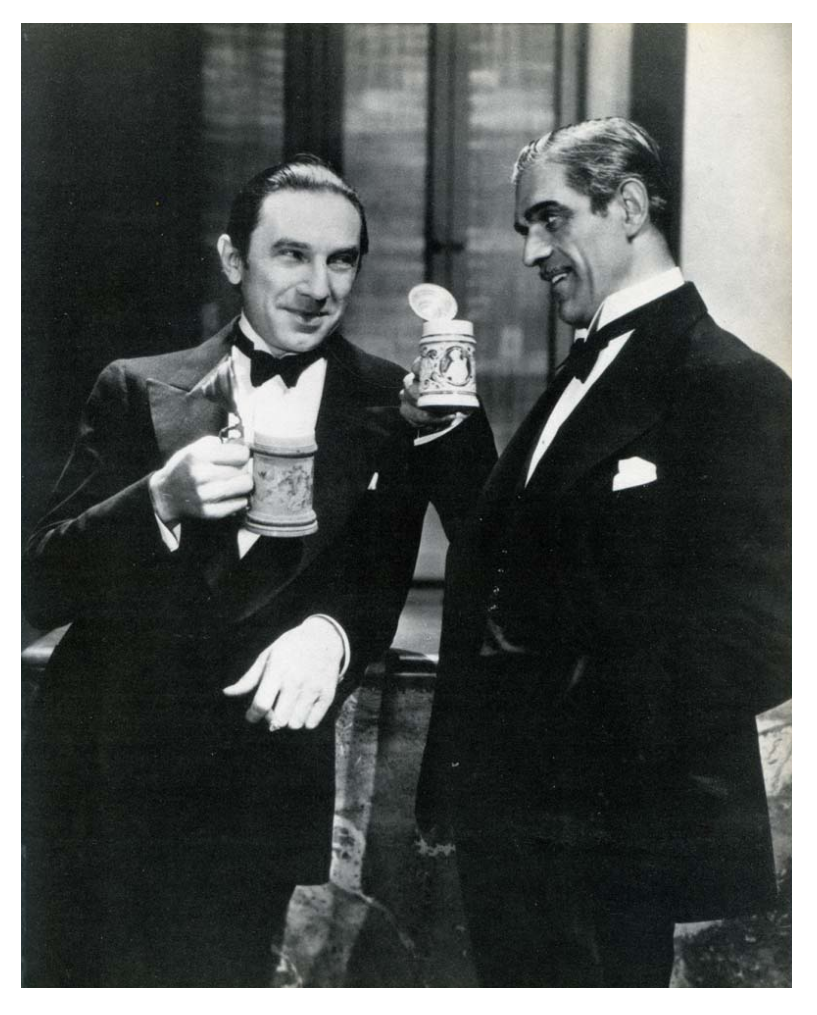
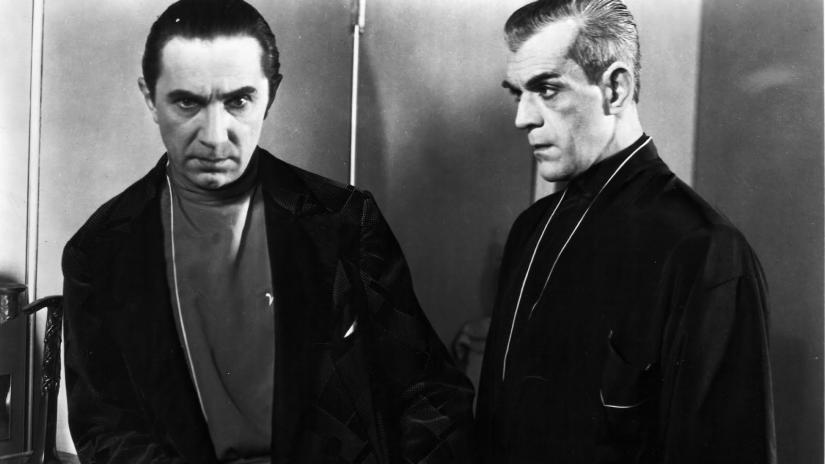
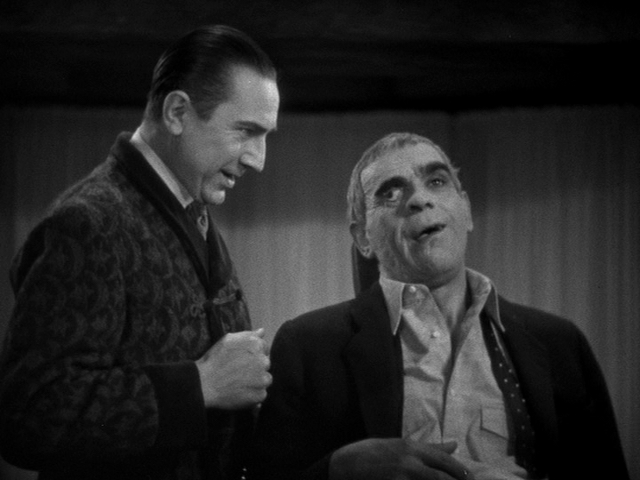
Category Archives: Pop Culture

This Used To Be My Background

From 2009 to 2017, this website featured a series of entries collectively titled “This Used To Be My Playground,” named after a 1992 Madonna song. It explored my relationship to the popular music of the 1990s, when I was in high school (1989-93), college (1993-97…ok, ‘99), and experiencing my first romantic relationships, some heartbreak, a surprisingly robust social life, the freedom of a car and an open northern California road, a too-early marriage, and about a year-and-a-half of fatherhood before the decade ended. This particular series taught me how to really write (the first few entries are terribly clumsy), and was one of my favorite creative experiences. 

A bit of a change-up this month. I am turning this space into a forum for my firstborn son, at least for this entry.

From the time he could hold his head up in a toddler car seat to the time he was a teen in the front seat clutching the dashboard as my single-dad beater Corolla hydroplaned across another puddle in a downpour, I have controlled what’s on the car stereo.

He has some thoughts on this. 

Without further ado, everything written hereafter is by my now-adult kid:

I don’t think things really happen in terms of NPR’s Tiny Desk Concerts anymore, but a decade ago they were a big deal. Some artists that you would normally associate with autotune or studio magic would show up in a Chicago office and prove, yes, they can in fact sing. T-Pain comes to mind…or maybe Stephin Merritt would remind you just how exciting they used to be. Just a bunch of old fat guys (keep in mind they are old and fat and old) in a close up space recreating par-for-the-course pop songs. I don’t think my father was much of a Magnetic Fields guy, but boy howdy, they break my wee little heart. He’d rather listen to AC/DC deep cuts…I will not be oh so cutting or harsh on this entry, readers. But I will get my licks in. Oh readers. I don’t even know if there is a 69 Love Songs Tiny Desk Concert. There probably shouldn’t be. Who would care?
2004

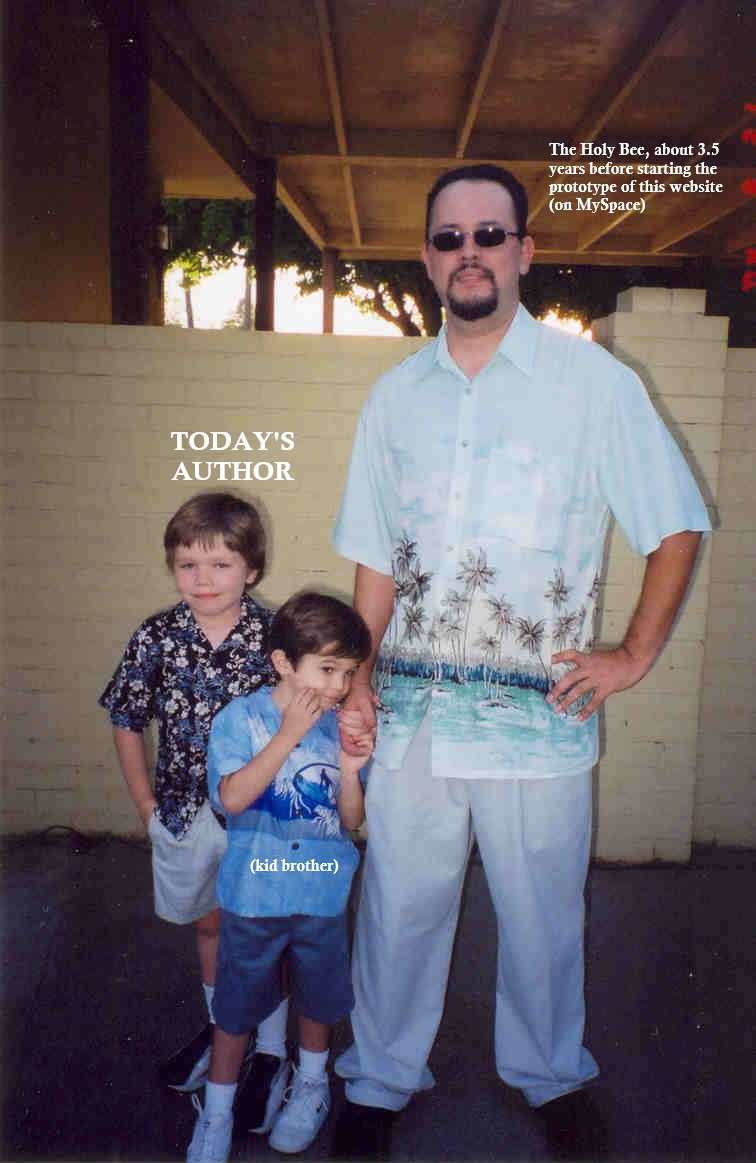
I am son of the Holy Bee (Cade), maybe you’ve heard of me, I can’t remember… I love all of the loyal readers. All seven of you. Just joshing, the Holy Bee boasts a monthly readership that I could only ever hope of dreaming to achieve in my neck of the atomized cultural woods. He earned it, I’d love to luck into it, all over it. Not to say that this audience is a product of anything other than wit and aplomb. I have produced for you here an actual article, taking a page out of my father’s book, detailing some of the albums I remember my father playing for me and my thoughts on them some decade plus later. Not backed by the same level of research and rigor you are used to, but backed by considerable heart. Lots of edits and re-edits (not really), lots of love (that’s true). Lots of the idea that I want some mark on this website when my father inevitably dies, so we and — more importantly I — can say we collaborated on an artistic project. Something every father and son can and should do, if they are so inclined. As opposed to, I guess, going fishing. Screw going fishing!

I kind of pity people who have an absolute zero in the artistic aspiration department. But I really should not. In fact, I pity myself even more severely. It is–not as I have been brought up, but as I have determined on my own–deeply lame to want to be creative when you have no business doing so, as I have recently realized (not true, see below* — ed.). Gore Vidal published his first novel at the age of 19, that was my mark when I was 16. A decade has passed and I have not exactly published a goddamn novel.

Ok, enough of these boring self-flagellations. Here we go, my first attempt at blogging (7th) although I used to have a secret and regrettable music journal, meant to impress older people (read: girls) with better taste than me (didn’t exist). I thought for a while that if my taste was good enough, that if I watched the right movies and listened to the right bands, that would be enough to win over the people I liked. I never really considered developing a personality of my own, and my presumptuous attitude towards those with otherwise normal affinities has burned a few bridges. Being really good at consuming media does not get you a girlfriend!

I could not help but shit on boring Burger Records artists like FIDLAR and the other brand of music enthusiast button pin, a satanic individual by the name of Jack Antonoff, who currently produces both Taylor Swift and Kendrick Lamar albums, but back in the day made horrendous indie rock music and the world’s worst Beatles cover. He’s the one who bought the Abbey Road console on reverb.com listed for 5 million dollars.

To take a second…music right now is incredibly good. Amazing albums are being cut every day. I think it is natural and respectable to give up on finding new music, or caring about it, but an assertion that new music has gotten worse, makes you sound like the audiences who shit themselves in front of Stravinksy. Just ridiculous. Music doesn’t magically get bad because we get old. It’s quite clearly the other way around. And another thing…

Has the Brooklynite “trade synths-for-guitars-self-loathing” completely subsumed good old fashioned rock and roll? What is the actual issue with guitars or vice versa? More importantly, are people ready to embrace something that is not what they like automatically? We cherish an open mind. Those parents of the kids who cried when they saw the Beatles on Ed Sullivan, they managed to temper themselves in many cases, are those kids paying it forward, even fucking at all? The answer is no. It’s a cesspool. But my parents have been a light in the sewer, as we will discuss.

I wrote a test essay to my dad about this when I was creating a mixtape I never finished, but was too afraid to not only finish the essay, but send it in the first place, to say that synths are better and guitars are lame, as a means of getting a rise. This was worthless, in fact. And also just a riff on something James Murphy of DFA and LCD Soundsystem said years ago, a person who is insufferable, and a band that has suffered some severe overcorrection in the late 20-somethings division of cultural tastemaking. LCD Soundsystem is pretty good, I will not talk about them anymore for fear of making someone upset for liking them too much, or liking them not enough. I would go so far as to say that LCD Soundsystem is the single most polarizing band among my generation, but that is a post for another time.

At the end of the day, someone has to program the synths, and for people who don’t watch live music anyway, the appeal of the mere ability to demonstrate a captivating live performance still seems to generate an inherent bias against the synth, or the plug-in, or the what-have-you. The Holy Bee might tell you they are not legit because they cannot play any instruments. What gives?! That only matters at live shows. Don’t we spend thousands of pages more or less bringing the Beatles to completion for figuring out the studio is an instrument? What part of the record do you want to hear? Guitar players loop and finagle and molest their sound to oblivion, but because other bands’ source is from a keyboard attached to a someothering sound device, it’s illegitimate? A guitar solo is not any more inherently worthwhile than a synth solo just because the bald guy producing it is better at orgasm faces.

Animal Collective

As a proud Depeche Mode supporter, among millions, and as someone who loves anything else that makes brilliant pop music, let’s take a chill pill. Have fun, sing along, this enjoying music stuff is not difficult. In terms of music appreciation we kind of figured it out in roughly 2004, poptimists and rockists alike folded underneath the crushing weight of Clipse and Sufjan Stevens, at least as far as professional critics go. And this is a good thing! The problem now, is the criticism that pays a living wage is predicated on making sure hordes of 17-year-olds don’t firebomb your office for giving the latest pop star du jour anything less than a prostrating admission of their holiness. Christgau is still churning out the same post-punk fetishism, thank god. My favorite contemporary critic, Tom Breihan, is having a mental breakdown because all of his favorite artists seem to be either cartoonishly anti-semitic (Kanye) or serial rapists (most musicians). 

What made the critics flip their little peaheads? Was it just “Hey Ya” that did some weird shit to the cultural landscape? Some good, some bad, certainly. Even in ivory towers, you need helping hands from the ones who built it, those clamoring from the walls, half-mummified. Slave labor. A bunch of African-American geniuses halfway through the 20th century are not the only thing that happened, although they are mostly what happened. Elvis is like when your niece puts sprinkles on the cookies you painstakingly folded, rolled, and cut and tells everyone they did it all by themselves. I recommend Just Around Midnight by Jack Hamilton if anyone is interested in this exchange between race and popular music at this time. It’s a magnificent book inspired by a song that was originally going to be called not “Brown Sugar” but “Black – ”…never mind. Honkeys did have good ideas musically, throughout history, and I want to acknowledge this, but…

…2009 Brooklyn Indie is not an effective example of this, unfortunately, despite being one of the more important scenes of my lifetime. Clap Your Hands Say Yeah, Grizzly Bear, TuNe-YaRdS…god TuNe-YaRdS sucks and is embarrassing for everyone involved. The other two bands are all right though, check out “Is This Love” by CYHSY, an absolute bop. 

Clap Your Hands Say Yeah — “Is This Love?”

I know this is not your typical Holy Bee chow but listen, hold on, I’m not the Holy Bee, I am the son, I am the local boy done decent, product of both Sacramento and Yuba City. If you heard a reference to two beautiful boys in your time reading this blog, I am the elder, less beautiful one. The project, the mystery. A lot of time on this spinning planet we call earth, just a rock in a void, oh my god we are all flesh-columns made whole by an unforgiving particle that We shall not name (don’t you just hate hardcore atheists). Norm, I think, has a thing on this, like everything else, the devout Christian he was. 

Continue reading

Leave a comment

Filed under Music -- 2000s, Pop Culture

Act Naturally: The Films of the Solo Beatles (Part 5)

“Ringo liked films, but I think he just liked being in a Hollywood movie sort of world…he didn’t stop to say, ‘Hang on, I’m Ringo Starr. I have to choose carefully.’ He just did [the films] because they were good fun. Having a little laugh, you know? You get doomed for that, forever. People remember them.”

–Ray Connolly, That’ll Be The Day screenwriter

Franz Liszt

Ringo had a fairly successful follow-up album to 1973’s smash hit Ringo with 1974’s Goodnight Vienna. It reached a respectable #8 on the Billboard album chart, and its accompanying single “No No Song” got to #3 on the singles chart. But he couldn’t resist the allure of hanging out and having a little laugh on a film set.

It’s been so long since I left this website series hanging, I had to re-watch Lisztomania. The things I do…

The term “Lisztomania” was coined by German writer Heinrich Heine to describe the effect composer and pianist Franz Liszt (1811-1886) had on an audience — mostly an audience of women. They would leap to their feet, scream, and sometimes faint. Liszt would rile them up, pounding out aggressive arpeggios, tossing his sweat-soaked hair, and distributing tokens such as scarves and gloves into the ecstatic crowd. It was the exact same effect that would crop up over a hundred years later in response to Elvis Presely and the Beatles. 

Franz Liszt was the first rock star. 

Director Ken Russell spun that single idea into a film that was as tedious as it was tawdry, its incoherence masquerading as “surrealism.”

But that’s Ken Russell for you.

“Lisztomania” cartoon by Adolf Brennglas, 1842

Franz Liszt was born in Hungary (thanks to some later border shifts, the town of his birth is now in Austria) and was considered a child prodigy. He studied under Antonio Salieri (yes, the Amadeus guy) and was said to have impressed both Beethoven and Schubert when he made his performing debut in Vienna at age 11. He subsequently lived for many years in Paris, composing, performing, and tutoring. He became personal friends (or sometimes “frenemies”) with fellow composers Felix Mendelssohn, Robert Schumann, Frederic Chopin, and most notably, Richard Wagner.

Comtesse Marie d’Agoult

As he grew to adulthood, his chiseled features and flowing locks earned him many female admirers, but his reputation as a rabid womanizer was probably a little exaggerated. He was something of a serial monogamist, engaging in safe, long-term affairs with titled women in arranged marriages to indifferent (read: probably homosexual) husbands. One of these relationships, with Comtesse Marie d’Agoult, produced three children in the 1830s — daughter Blandine, son Daniel, and daughter Cosima, who later married composers Hans von Bulow and Richard Wagner in quick succession.

The “Lisztomania” period made up only a small portion of Liszt’s remarkable life. For seven years (1841-1848), he barnstormed the concert halls of Europe as a traveling virtuoso, selling sex appeal as much as music. He then quit performing to focus on composition, publishing the first of his Hungarian Rhapsodies and Liebesträume (“Dreams of Love”) in the early 1850s. He became the court conductor and choirmaster in the city of Weimar, Germany, a very settled-down and respectable position.

Princess Carolyne zu Sayn-Wittgenstein

Liszt finally decided to marry for the first time to Princess Carolyne zu Sayn-Wittgenstein — who was, as usual, already married to someone else. He and Princess Carolyne spent over a decade trying to get her marriage annulled, to no avail. Even a sympathetic audience with Pope Pius IX in 1860 did not yield positive results in the end.

Pius IX (1792-1878) is known to history as the longest-serving pontiff. His leadership of the Catholic Church spanned 32 years, from 1846 to his death in 1878. He was initially a progressive supporter of church reform, but radical events such as the Revolutions of 1848 turned him more conservative. He orchestrated the literal kidnapping of a Jewish boy on the basis that he had been secretly baptized by a servant. Edgardo Mortara lived under “papal protection” until adulthood, despite the desperate pleas of his parents. The story brought waves of outrage, and contributed to Pius IX’s loss of the Papal States (a region of central Italy which the Pope had ruled directly as a sovereign monarch since 756).

Pope Pius IX

Liszt and the princess gave up their attempts at matrimony. Liszt decided to become a monk, joining the Third Order of Saint Francis. He received a tonsure, and became Abbe Liszt. He still composed on a small piano in his monastery quarters. After almost a decade of cloistered life, Liszt returned to the wider world and bounced between Rome, Weimar, and Budapest, teaching master classes in piano. He never fully recovered from a fall down a staircase in 1881, and died five years later at the age of 74.

All of this is thrown into a cinematic blender by Ken Russell, along with celestial rocket ships, Nazis, vampires, superhero costumes, Nietzsche references, rayguns, and a ten-foot penis. (Not for nothing was one of Russell’s biographies titled Phallic Frenzy: Ken Russell and His Films.) “My film isn’t biography,” said Russell in the understatement of the year. “It comes from the things I feel when I listen to the music of Wagner and Liszt and when I think about their lives.” 

Ken Russell was an authentic English eccentric. Born in 1927, his childhood ambition was to be a ballet dancer. Rather than sell shoes in his emotionally abusive father’s shop, Russell opted for disastrous stints in the Royal Naval College and the British Merchant Navy. When he washed out of the latter, he reluctantly returned to the parental home. One day his mother and a friend came home early and discovered a teenaged Russell frolicking around the house in the nude to Stravinsky’s Rites of Spring. There were embarrassed faces all around, and an ultimatum — sell shoes or join the RAF. It was an easy choice.

After being discharged from the RAF in 1948, Russell decided to make his childhood dreams come true. He was actually accepted into the International Ballet School in South Kensington, mostly because he was one of the few male applicants. It didn’t take long for Russell to discover the flaw in his dream — he was a terrible ballet dancer. The Institute patiently kept him on for four years before they finally, and no doubt with a certain degree of exasperation, asked him to leave.

Young Ken Russell

After making ends meet as a freelance photographer and a bit player in touring musical comedies, Russell was hired by the BBC to work in their documentary department based on a few independent short films he had made. One of his early assignments was a documentary on the composer Sergei Prokofiev.

The BBC had a very strict policy regarding documentaries. No actors, no “dramatic re-enactments.” It was to be only narration played over authentic photos, talking-head interviews with experts in the field, and, if available, archival footage. The iconoclastic Russell kicked against this policy from the get-go, and went ahead and inserted brief bits recreated by actors — hands on a keyboard, a reflection in a pond, that sort of thing. Despite admonishment from the BBC suits, he took it even further with his next composer biography on Edward Elgar. This was the beginning of a leitmotif in Russell’s career — a series of biographical films on composers. From relatively staid documentary works for BBC arts shows like Omnibus and Monitor in the 1960s to the twisted, overbaked cinematic explosions of the 1970s, Russell always returned to presenting the lives of composers.

Russell made his big cinematic breakthrough with an acclaimed adaptation of D.H. Lawrence’s Women in Love in 1969. Conventional compared to his later works, Women in Love still broke boundaries, featuring the first full frontal male nudity in a mainstream film. The naked wrestling match between Alan Bates and Oliver Reed certainly got the film a lot of attention…and repeat viewing. His next two composer biographies, The Music Lovers (1971) about Tchaikovsky, and Mahler (1974) reflected Russell’s increasing self-indulgence and reliance on surrealism. “More interested in impressionistic history than literal truths,” is how Russell biographer Joseph Lanza generously put it. 

Russell’s flamboyant, overblown style was already familiar enough to be parodied by Monty Python in 1972.

To be fair, Russell always did meticulous research and did throw in small nuggets of historical accuracy as long as they were suitably weird. For example, Princess Carolyne really did smoke cigars and really did write a 24-volume work entitled The Inward Reasons for the Church’s Outward Weaknesses as depicted in Lisztomania.

Mahler was the first of a proposed six-film series on composers to be written and directed by Russell and produced by David Puttnam’s company Goodtimes Enterprises. It was to be followed by a film about Franz Liszt, for which Russell initially envisioned Mick Jagger as the star.

Roger Daltrey

Before he jumped into the Liszt biopic, Russell decided he wanted to adapt the Who’s “rock opera” Tommy. The work was first released by the Who as a concept album in 1969, and performed by them as a three-piece band in opera halls as well as the usual rock venues across Europe and America. Classical music purist Russell was no fan of rock, but hearing the London Symphony Orchestra perform the Tommy material in true classical style in 1972 piqued his interest. He got in touch with Who guitarist/songwriter Pete Townshend, and the two hit it off and agreed to collaborate. It seemed only natural to cast Who lead singer Roger Daltrey as the title character. Tommy (1975) was a critical and box-office success, although I suspect the Who’s music and appearances by Elton John, Tina Turner, and Eric Clapton were more of a draw than Russell’s typical high-camp hallucinatory style.

At some point during the production of Tommy, Russell made a mental switch from Jagger to Daltrey for the role of Franz Liszt, and announced him as the lead in what was now called Lisztomania a month after Tommy had wrapped. Russell felt that Lisztomania would be a true companion piece to Tommy, exploring similar themes.

Continue reading
Leave a comment

Filed under Film & TV, Pop Culture

From the Archives, 2008 — The Holy Bee’s Top 5 Monster Movies

The Films of the Solo Beatles series will continue in March (hopefully). January turned out to be an unexpectedly busy month, so watching those films, taking notes, researching their production and other minutia, and then writing it all up in a breezy 5000+ words just wasn’t in the cards. 

The following article originally appeared in the Idle Times zine, Issue #1 (Fall 2008). Please note that some strident opinions have softened or changed entirely over the last decade-and-a-half, and there are some turns of phrase I would not have chosen at a later point in my writing “career.”

“There were giants in the earth in those days, and also afterward…” — Genesis 6:4

“Everybody said there was no honed iron hard enough to pierce him through, no time-proofed blade that could cut his brutal blood-caked claw…” — Beowulf, l.983-89

Human beings are by nature vulnerable. We have no thick hide, no tusks (unfortunately — wouldn’t that be cool?), nor any natural camouflage. We’re just six-foot tubes of delicious pink meat. All we have to protect ourselves is our comparatively turbo-charged brains — which is a double-edged sword. We have the mental ability to dominate the natural world, but also the ability to scare ourselves by imagining the most unnatural horrors.

When primitive humans huddled around the fire, they told tales of what lurked beyond the sheltering ring of light. Shaggy or scaly things, with sharp claws and dripping fangs. Waiting for a dim-witted or simply unlucky Cro-Magnon to wander just far enough into the darkness…

The best monster movies tap into this primal fear that’s been hard-wired into our psyches. So, what truly defines a “monster movie”? First of all, it doesn’t necessarily have to be a “horror” movie (although it helps), it just needs to make us humans feel very, very defenseless. Monsters should be an external threat. None of this “the-worst-monster-is-inside-us” psychological bullshit. So Hannibal Lecter, Joan Crawford, and their ilk are out. (Sorry, Mommie Dearest fans.) Monsters are also a very corporeal threat. Scary as they can be, ghosts are not monsters. Not even if they can wreak havoc in the physical world. No poltergeists, demons that make you do unspeakable things with a crucifix, or Freddy Krugers. The jury’s still out on whatever the hell Jason Voorhees and Michael Myers are. They are certainly physical, but their inability to be permanently killed suggests ghosts or “undead” as opposed to human. But it’s a moot point because 1) their movies are really shitty (except for the first Halloween), and 2) I am officially declaring the “Unkillable Slasher” film to be its own separate genre, and you can read all about it in the Things That Suck ‘zine. But not here.

So to sum up, a monster should be able to eat you, stomp on you, or at the very least, carry you off

#5 — The Undead

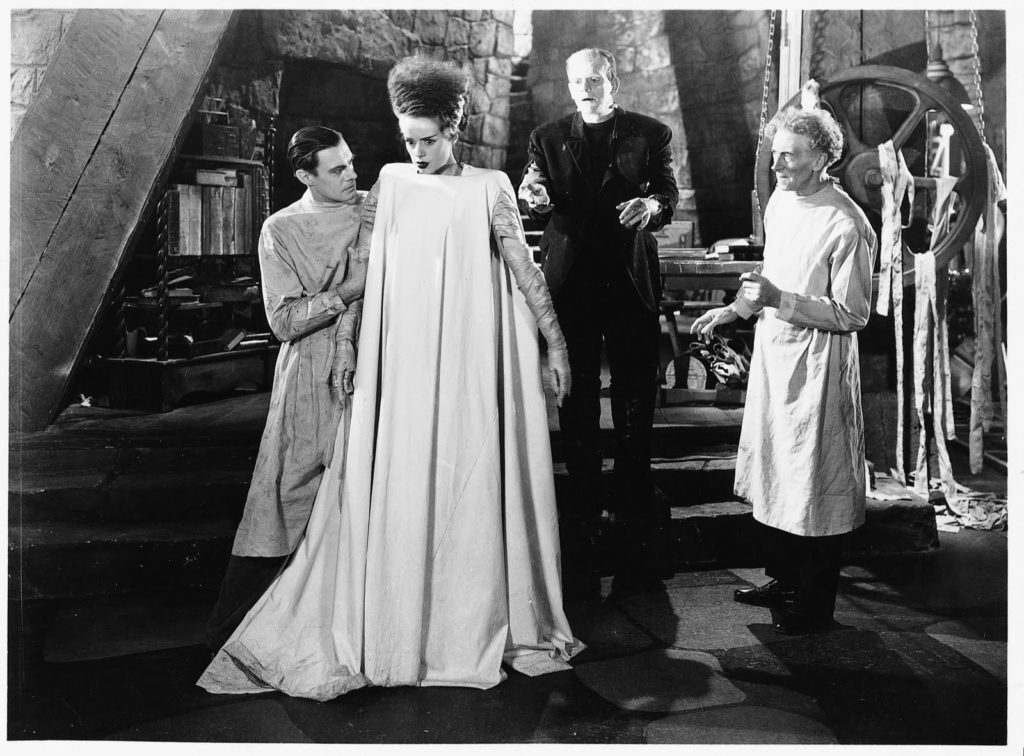
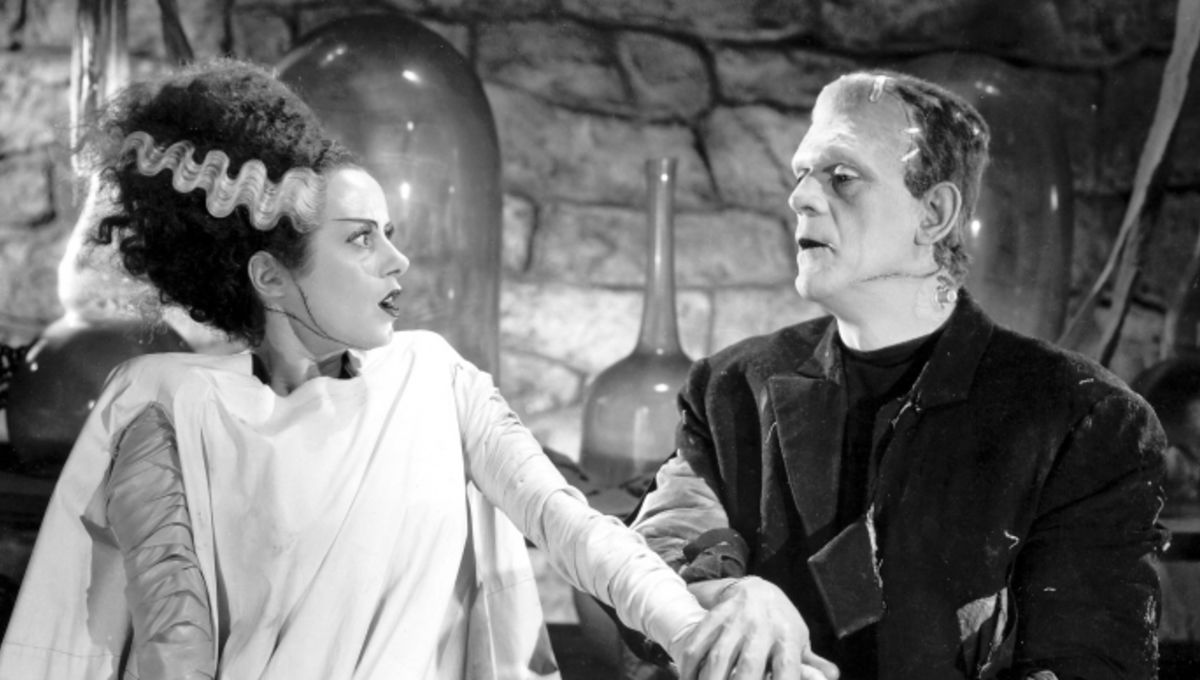
THE BRIDE OF FRANKENSTEIN (1935)*

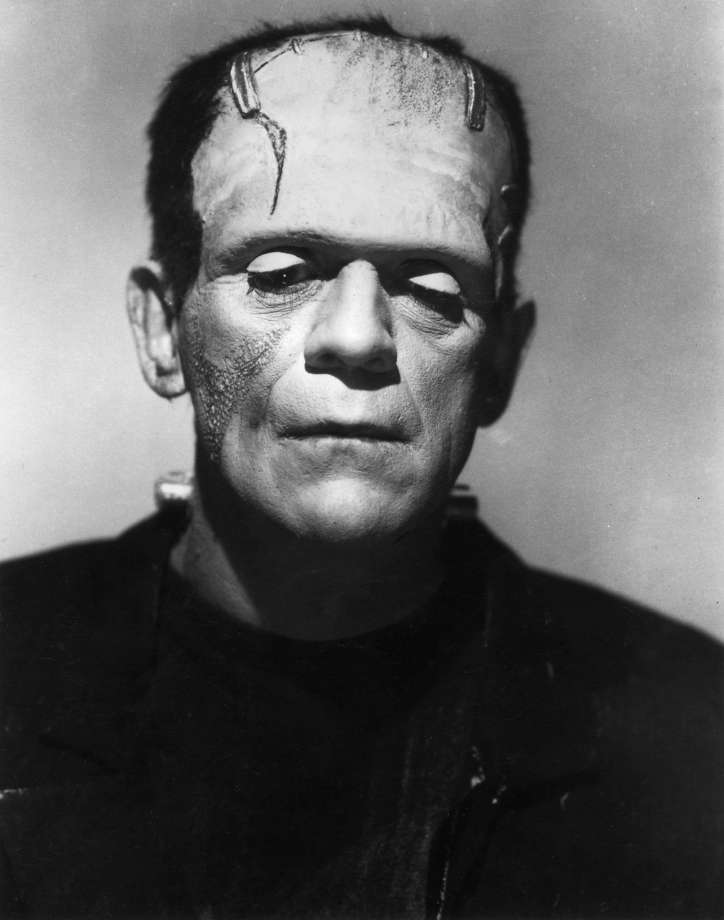
The performance by Boris Karloff as Frankenstein’s Monster was a double triumph. It combined a simple sensitivity with the ever-present threat of hulking brutality. The make-up designed by Jack Pierce is positively iconic. No modern audience can think of the Monster without picturing the lank black hair over a squared-off skull, the green-tinted skin, the neck bolts — all from the imagination of Pierce. (Why green make-up? It photographed as the perfect shade of corpse-like gray on black-and-white film. Gray make-up would look too white. Some color stills were released to the press, and the Monster has been imagined as green ever since.)

Bride of Frankenstein ranks slightly above the 1931 original in most people’s opinion because it incorporates a lush score (like many early talkies, the original had no music), its eerily beautiful set design, and visionary director James Whale’s imagery and highly theatrical humor. For those of you who dig subtext, watch for all the religious themes and iconography, and the homosexual undercurrents. Ernest Thesiger as Dr. Pretorious might as well be credited as the first openly gay leading character in film history. (No, he doesn’t come right out and say it — this was 1935, after all. But some of his cleverly insinuating dialogue and the entire physicality of his performance left no one in any doubt, even in 1935.)

When it comes right down to it, as dated as they sometimes seem, all monster movies owe a tip of the hat to the classic Universal Studios monsters of the 1930s and ‘40s. Human-sized, awash in pathos, these creatures did not ask to be what they are — but if you cross them they will fuck you up.

#4 — The Hubris of Man

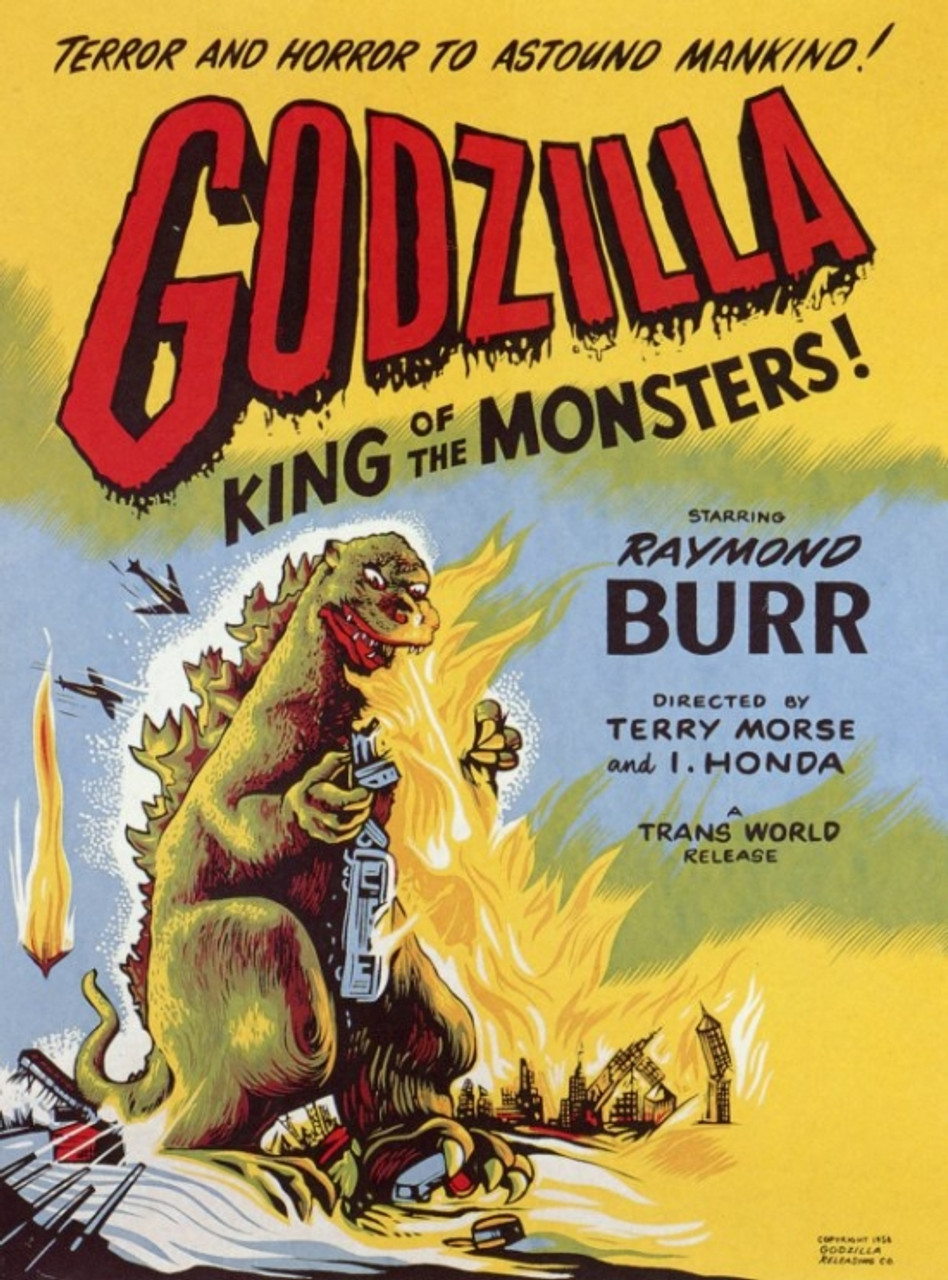
GODZILLA, KING OF THE MONSTERS (1956)

Saturday night/Sunday morning. 3 AM. Can’t sleep. Sandwiched between infomercials and increasingly desperate Girls Gone Wild ads, one can usually find an old monster movie. Count yourself lucky if it’s Godzilla, King of the Monsters. (Count yourself cursed if it’s the 1998 travesty of a remake.) GKOM is the U.S. version of the 1954 Japanese original Gojira, about nuclear fallout that brings to life an enormous mutant dinosaur. The film was Americanized by toning down the bitter recriminations over Hiroshima, and adding footage of Raymond Burr as an American reporter (“Steve Martin ”) in Japan. He interacts with the Japanese cast through the use of body doubles and clever editing, and the process is surprisingly well done.

Despite the editor’s scissors’ careful elimination of too many references to a certain country using a certain weapon on a certain other country, make no mistake, Godzilla is clearly an atomic-powered monster. And he’s not the friendly nuclear dino of later sequels, defending the Home Islands against other mutant threats. No, in ‘56 he’s pissed. He rages, stomps, sinks ships, and burns thousands of innocents to a crisp with his radioactive halitosis. The lesson here is that there are Some Things In Which Man Is Not Meant To Meddle, and splitting the atom may just be one of them. Godzilla’s first appearance is quite late into the film, setting a pattern that all good monster movies of the future follow. Show little glimpses, show some damage and casualties, build up the tension before the big reveal. There’s no way to avoid the fact that the “big reveal” here reveals a guy in a rather cheap-looking rubber lizard suit, but if your powers of disbelief-suspension are strong enough, you’ll go along with it.

Collector’s Note: After decades of unavailability, the 1954 original can finally be obtained as a bonus disc included with the 2006 GKOM DVD. At the risk of angering purisits, it’s no better than the U.S. re-cut. It’s about 15 minutes longer, and most of that is emotional discussions about atomic energy. 

#3 — The Thing From “Out There”

ALIEN (1979)

“In space, no one can hear you scream,” ran one of the greatest taglines in cinema history. We’re talking primal fear, remember, and fear of the dark is one of our most basic. It’s why those cavemen huddled close to that fire. It’s why the majority of children sleep with the soft glow of a favorite cartoon character glimmering in a nearby outlet. It’s why me, a grown-ass man, will pop on my bedroom TV after a particularly vivid nightmare. Why do we fear the dark? BECAUSE WE CAN’T FUCKING SEE ANYTHING IN IT. It doesn’t get any more basic than that. Who knows what’s lurking where we can’t see. Escaped circus animals, psychotic dismemberment aficionados off their meds, and…monsters. There’s always that possibility. We know there’s “no such thing,” but that assuredness slips just a tad in the dark, doesn’t it? And what is outer space but airless, silent, eternal dark? Midnight that goes on to infinity. And our confident daytime knowledge that there’s no such thing as monsters isn’t worth a bronzed turd, because we don’t know what such things could be…out there

Maybe aliens are gentle, elf-like beings with glowing fingertips and hearts, and big, expressive anime eyes. Or maybe aliens are slavering, nine-foot insectoid beasts with a double set of jaws and a taste for human flesh, not to mention the ability to move at blinding speeds and lay their eggs in live human hosts by ramming an ovipositor down their throats, which “hatch” several days later in Technicolor glory right as the human host is sitting down for a nice meal after recovering from the earlier (very traumatic) ovipositor incident. 

Guess which one this movie’s about?

Continue reading

1 Comment

Filed under Film & TV, Pop Culture

Monty Python: The Albums (Part 4)

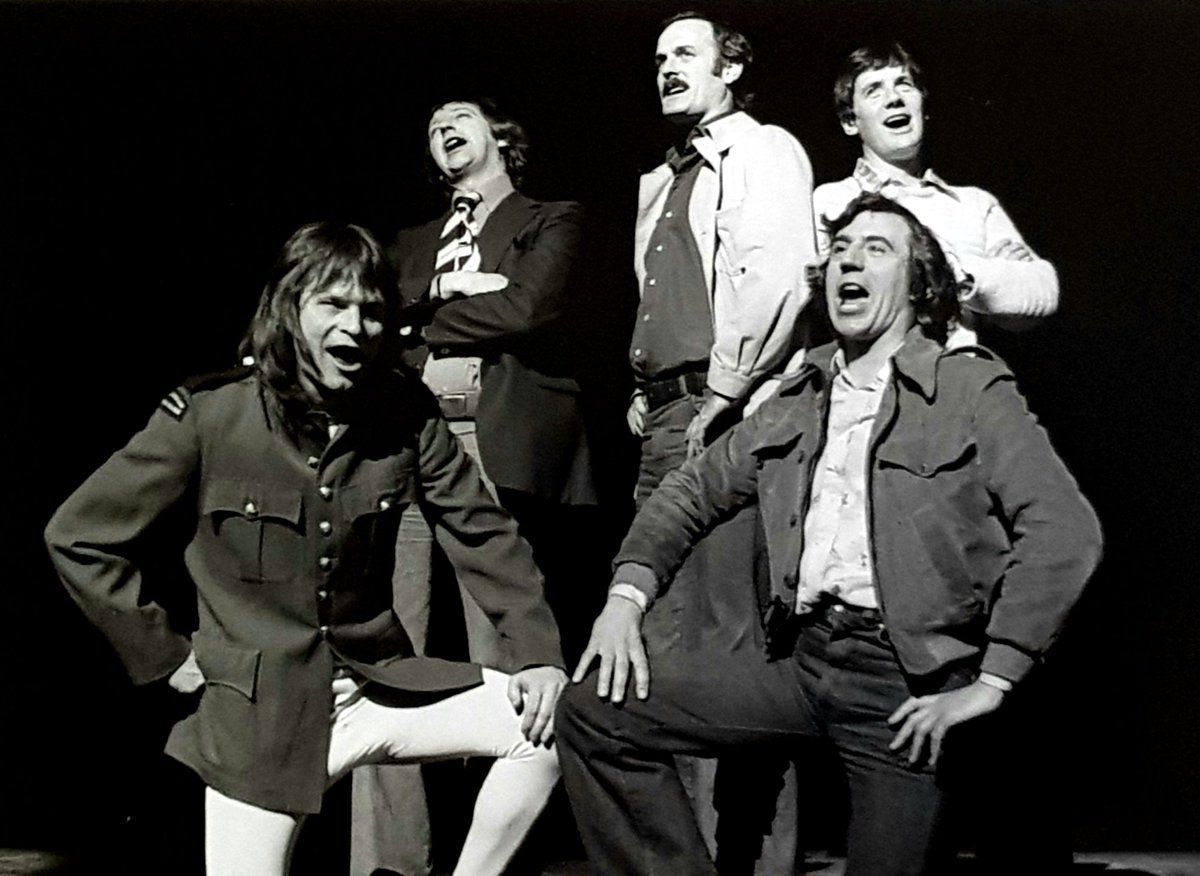
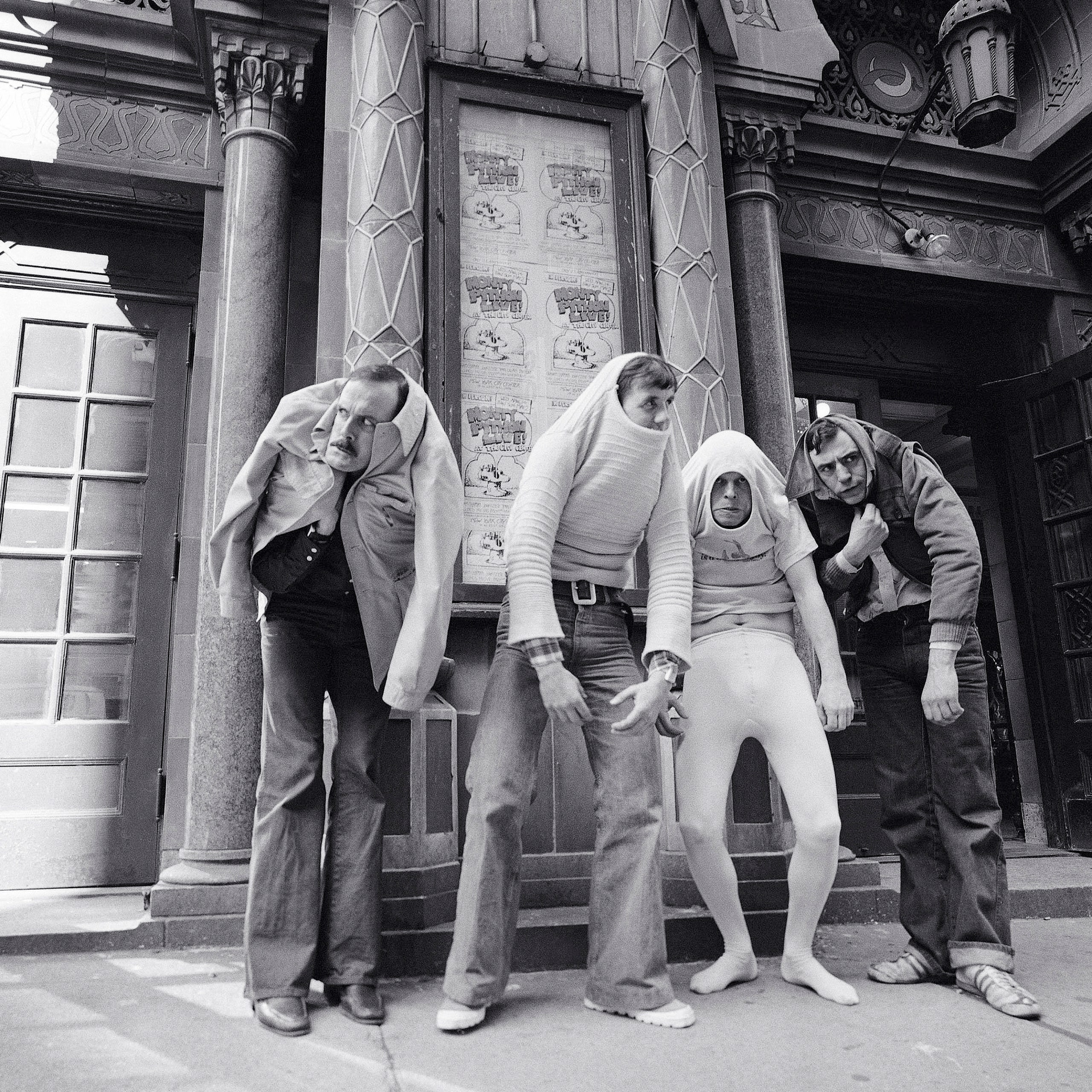
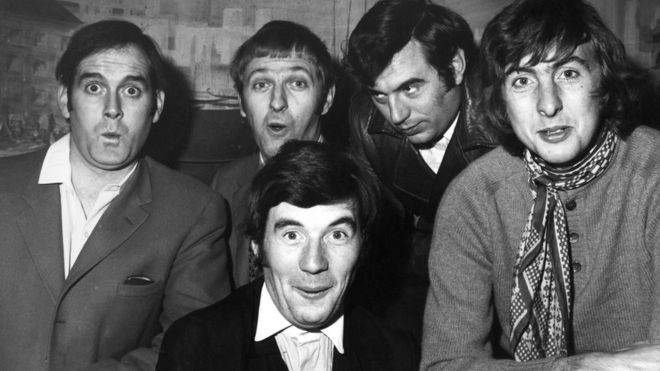
Outside Center Center, April 13, 1976. Graham Chapman appears to have wandered off for a drink, and has been replaced here by Neil Innes

A year passes from the Holy Grail triumph…

Then the Pythons hit Broadway! After mulling it over, the Pythons accepted producer Arthur Cantor’s long-standing offer to perform in New York, and their stage show crossed the pond to the 2,257-seat New York City Center on West 55th Street.

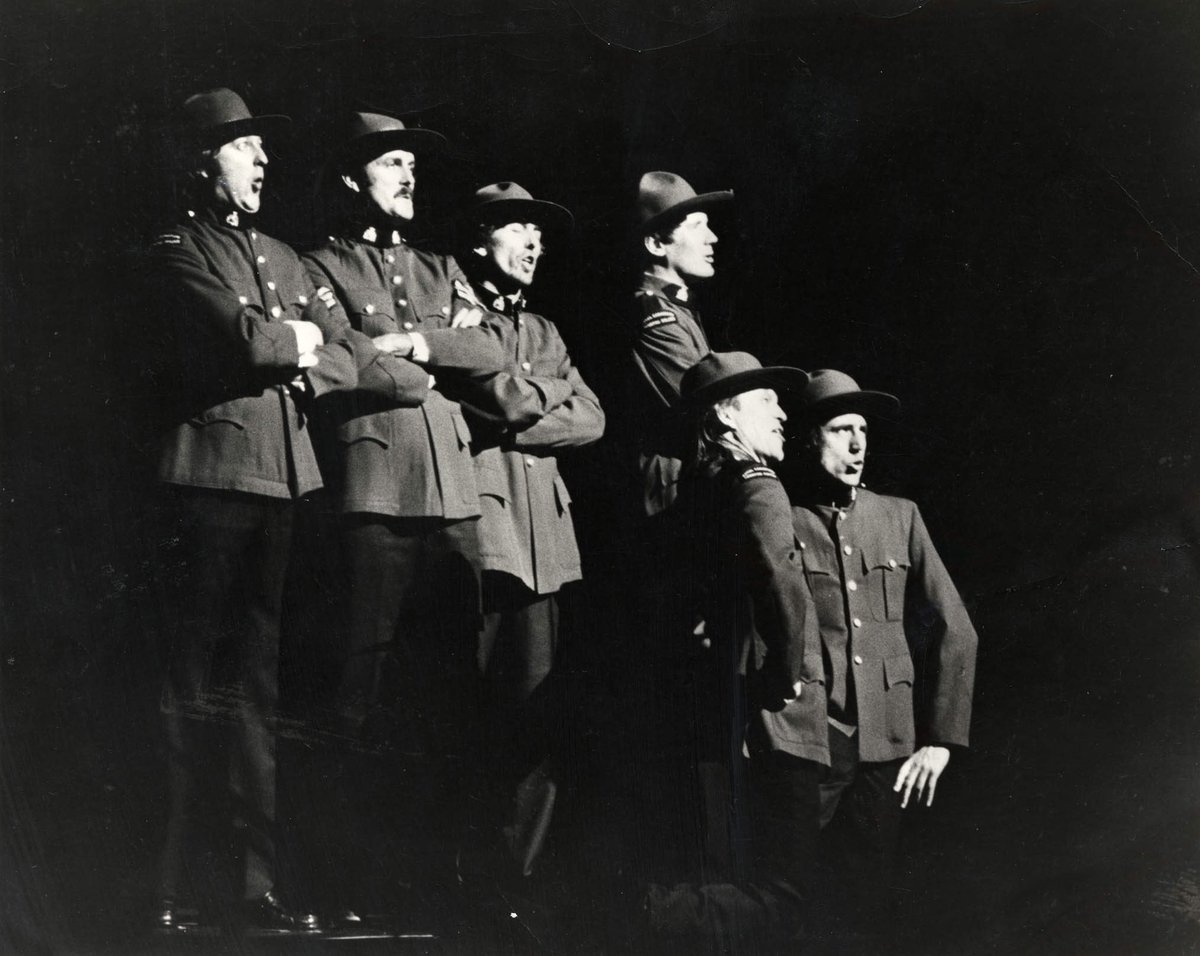
Rehearsing the Mountie Chorus on “The Lumberjack Song”

They slightly revised their line-up of live material. The sub-standard “Cocktail Bar” and “Secret Service” were blessedly dumped, and the much funnier “Dead Bishop” and “Crunchy Frog” were added. “Blackmail” replaced “Spot the Brain Cell” as the game show parody. “Election Special” was swapped for “Courtroom” (which didn’t make the album, nor did the physical comedy tour-de-forces “Custard Pies” and “Ministry of Silly Walks” — but for some reason the super-physical “One-Man Wrestling” made the cut here and on Drury Lane). Beyond these small tweaks, the show was made up of familiar stuff. Neil Innes contributed two new songs, and Carol Cleveland was back in the fold, having missed the run of shows at Drury Lane.

The Pythons performed their show to sold-out houses from April 16 through May 2, 1976.

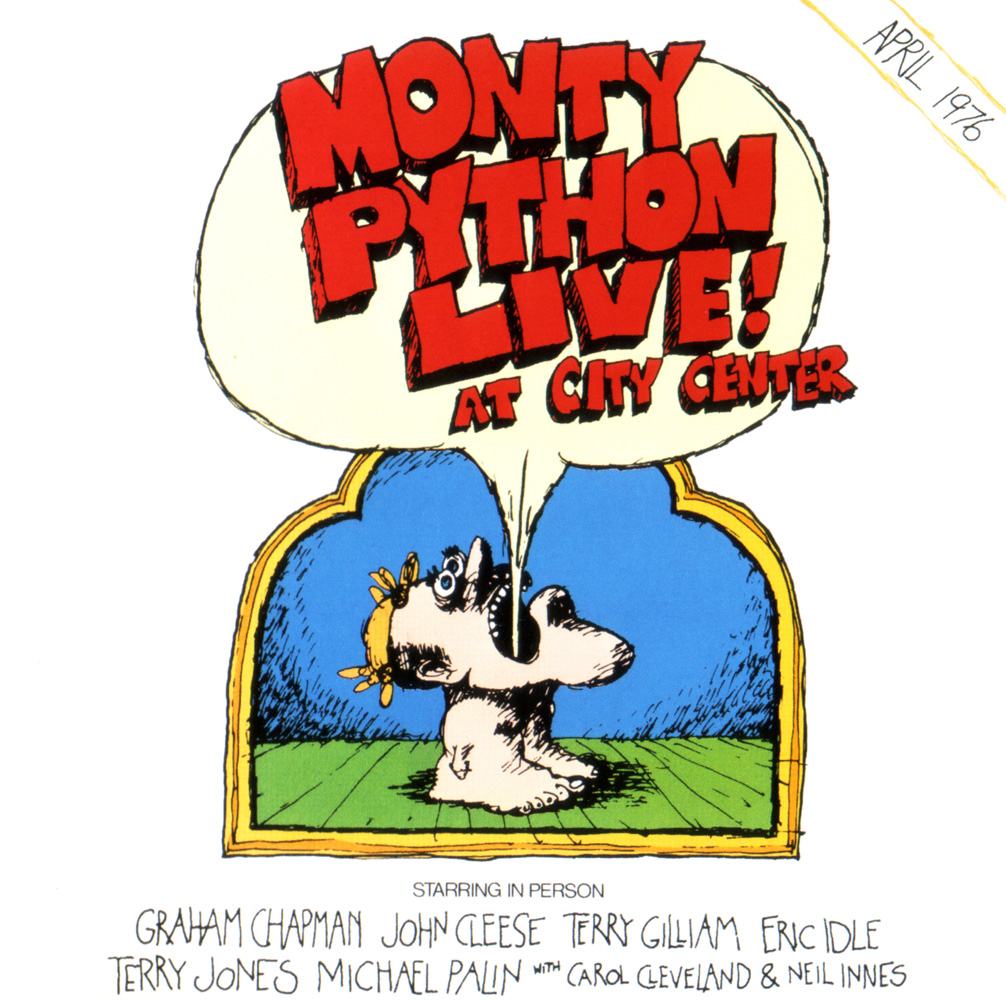
Monty Python Live at City Center 

Released: May 3, 1976 (U.S. only)

Produced by Nancy Lewis

Track Listing:

Side One

1. Llama

2. Gumby Flower Arranging

3. Short Blues (Neil Innes)

4. One-Man Wrestling

5. World Forum (Communist Quiz)

6. Albatross/The Colonel

7. Nudge Nudge

8. Crunchy Frog

9. Bruces/The Philosophers Song

10. Travel Agent

Side Two

1. Camp Judges

2. Blackmail

3. Protest Song (Neil Innes)

4. Pet Shop (Dead Parrot)

5. Four Yorkshiremen

6. Argument Clinic

7. Death of Mary Queen of Scots

8. Dead Bishop

9. The Lumberjack Song

Arista wanted the live album out as soon as the show closed — literally. Monty Python Live at City Center was in record stores hours after the last curtain dropped. That meant the recordings had to be made early in the show’s run. Andre Jacquemin did not make the trans-Atlantic trip to capture the shows for posterity, so Nancy Lewis hastily arranged recording equipment and the personnel to operate it, and is credited as the album’s producer.

For the first time, the Pythons had to deal with a full-on, fanatical reaction by their audience — they were now American celebrities. When Americans go big, it can be scary. Fans screamed at them as if they were rock stars. The nightly sold-out crowd dressed up like Gumbys and lumberjacks. The Pythons were fawned over by the likes of Martin Scorsese and Leonard Bernstein. (At an after-show gathering, Bernstein asked Eric Idle to recite a few lines of “Nudge Nudge.” Idle responded by asking Bernstein to hum a few bars of Beethoven.) Their time offstage was a blur of photo sessions, interviews, autographs, limo rides, and boozy, late-night dinners at fancy steakhouses. “We didn’t take drugs but we drank a hell of a lot,” remembers Terry Jones. “In fact I can’t remember how much we drank precisely because of the amount we drank.”

As usual during a long stage run, Michael Palin lost his voice towards the end. Backstage, he was offered a stiff malt whiskey by Neil Innes. “Will it help my voice come back?” “No, but you won’t care anymore.” On the last night, Palin hoarsely croaked out his longest speech of the show, as the man who is applying for a grant to develop his silly walk. He heroically and painfully completed it, and there was a long pause, after which his sketch partner Cleese punked him by simply saying “I’m sorry…what was that again?” 

One night, a short-haired and clean-shaven George Harrison fulfilled what he called a lifetime’s ambition by donning a Mountie jacket and hat, and joining the chorus of “The Lumberjack Song,” completely unrecognized by the audience. (He is known to have checked into hotels under the name Jack Lumber.) On another memorable occasion, someone chucked a two-foot long rubber dildo onto the stage during “Bruces.” “Oh, look, Bruce,” quipped Eric Idle. “One of those little American penises.”

Look carefully and you’ll spot a Mountie that looks an awful lot like a Beatle

Some say City Center doesn’t really merit inclusion the canon of “official” Monty Python albums, due to its very close similarity to Live at Drury Lane, and the fact that the sound quality was below their usual standard — hastily recorded, plagued with microphone issues, and without the loving supervision of Jacquemin. But Drury Lane never received a U.S. release until the 1990s CD box set, so City Center became the only audio representation of their live show for American consumers for almost twenty years. I certainly owned it years before I ever heard Drury Lane, and I consider it superior to the British release — sketchy audio aside — due to the substitution of stronger material. 

The party atmosphere of the City Center shows was remembered fondly by all, even though several of them had the authentic New York experiences of being burgled or pickpocketed. And they did get some work done during a few bleary, hungover daylight meetings — they all committed to doing another movie in the near future, and agreed that it should be set in Biblical times. Some story and character ideas were thought up. A leisurely-paced development period was decided on, and they worked out a lengthy research and writing schedule that would accommodate their burgeoning solo careers.

A few years pass…

Continue reading

Leave a comment

Filed under Pop Culture

Monty Python: The Albums (Part 3)

Just as Matching Tie and Handkerchief was hitting British record stores at the end of ’73, the second draft of the Monty Python and the Holy Grail script had been completed, and producers and investors were being rounded up. The script still needed more work…and Python Productions needed an influx of cash. The prestigious 2,200-seat Theatre Royal in Drury Lane in London’s West End offered the Pythons good terms for performing their live show over a two-week residency in February. 

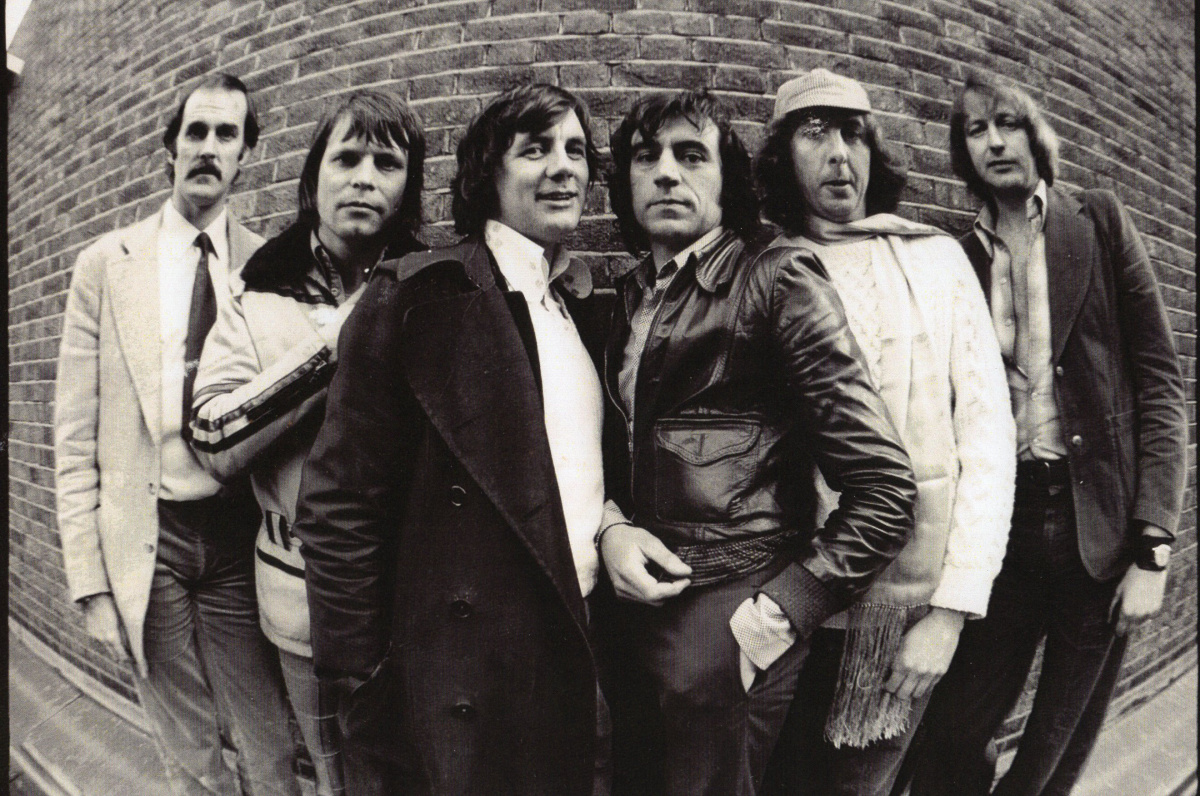
Shaggy ’74 Python, captured with a fish-eye lens no less. Is that four or is it five buttons undone on Chapman’s shirt?

As soon as their Drury Lane run was announced, overwhelming demand caused the length of the residency to be doubled.

They fine-tuned the set list from their British/Canadian tour the previous year. The official title of their Drury Lane run was Monty Python’s First Farewell Tour (Repeat) (with “NOT CANCELLED” stencilled over the posters). The experience was less like a night at the theater, and more like a rock concert by a veteran band. The audience wasn’t necessarily there to see something original, they wanted the hits

From February 26 through March 23, 1974, the Pythons trod the theatrical boards, night after night, as audiences lapped up (and often recited along with) “Nudge Nudge,” “Bruces,” “Travel Agent,” “Argument Clinic,” “Dead Parrot,” “The Lumberjack Song,” and plenty of other stuff. Neil Innes was on hand to provide some musical interludes, but regular Python supporting player Carol Cleveland was unavailable. Her parts were covered by Australian actress Lyn Ashley, who had done a few bits on the TV show, and at the time was married to Eric Idle. (Her credit at the end of the Flying Circus episodes in which she appeared simply read “Mrs. Idle.”) The audience was often dotted with celebrities, including members of the Beatles, the Who, and the Rolling Stones, but despite the theater having a designated “royal box,” no members of the royal family showed up. The royal box was occupied nightly by a pantomime dummy of Princess Margaret.

Neil Innes

“It was the nearest any of us got to a proper job,” says Terry Jones. “We would kiss our wives good-bye, work the night shift in the theater, get roaring drunk afterwards, roll home and do it all over again the following night.” At least a few mornings were spent tightening the Holy Grail script into its third (and final) draft, which was completed on March 15.

On the final night, Jacquemin set up his recording equipment, and the result was Python’s first real live album (their 1970 debut album made for the BBC, although performed in front of a small audience, doesn’t really count). The atmosphere is audibly electric, with over-the-top enthusiasm from the crowd, and superbly-performed comedy classics from the cast. Neil Innes, caught up in the final-night excitement, improvised by singing several lines of “Climb Ev’ry Mountain” from The Sound of Music right in the middle of the “Election Special” sketch. The Pythons found the moment funny enough to leave on the record, and paid the necessary Rodgers & Hammerstein royalties. 

Monty Python Live at Drury Lane 

Released: June 28, 1974 (U.K. only)

Produced by Andre Jacquemin, David Howman, and Alan Bailey

Track Listing:

Side One

1. Introduction

2. Llamas

3. Gumby Flower Arranging

4. Secret Service

5. One-Man Wrestling

6. World Forum (Communist Quiz)

7. Idiot Song (Neil Innes)

8. Albatross

9. The Colonel

10. Nudge Nudge

11. Cocktail Bar

12. Travel Agent

Side Two

1. Spot the Brain Cell

2. Bruces/Philosophers Song

3. Argument Clinic

4. I’ve Got Two Legs (Terry Gilliam’s Song on a Wire)

5. Four Yorkshireman

6. Election Special

7. The Lumberjack Song

8. Dead Parrot

A small amount of studio work was required later to put in some narration and links. These sorts of extra little clean-up tasks were usually taken on by good sport and all-around team player Michael Palin.

Four Yorkshiremen

The Pythons were quite aware that the audiences that flocked to the Theatre Royal were there to see their favorite sketches, but they wouldn’t be Python if they didn’t include some surprises. The whole show opened with “Llamas,” an obscure, 90-second deep-cut sketch from the first series of Flying Circus, in which a group of flamenco guitarists and dancers provide a partly-sung public service announcement in Spanish about the dangers of the deadly aquatic llama, with much stomping, guitar strumming, castanet-clicking, and exaggerated rolling of rs. “Tiene dos orejas, un corazón, una frente y un pico para comer miel. Pero está provisto de aletas para nadar. Las llamas son más grandes que las ranas.” (“It has two ears, a heart, a forehead, and a beak for eating honey. But it is provided with fins for swimming. Llamas are larger than frogs.”) When the Pythons staged their massive reunion show at London’s O2 Arena in 2014, they chose to open with “Llamas.”

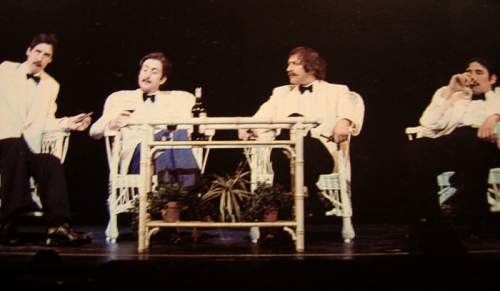
From the vault of really old material came “Four Yorkshiremen,” which would remain in every iteration of the Python stage show from that point forward. First written by Cleese and Chapman for 1967’s At Last the 1948 Show, the four Yorkshiremen of the title relax in comfort, sipping wine and wearing white dinner jackets as they compare, in thick Yorkshire accents, how deprived their childhoods were. (“There were a ‘undred and fifty of us living in a shoebox in t’ middle of t’ road.” “Cardboard box?” “Aye.” “You were lucky. We lived for three months in a paper bag in a septic tank.”) “Secret Service” was also lifted from the 1948 Show, but it didn’t have the staying power of “Yorkshiremen.” Another old sketch that became a beloved part of the Python Live repertoire, “Custard Pies,” was left off the album because it was just too visual. (A relic from Jones & Palin’s old Oxford Revue days, “Custard Pies” was so popular it was borrowed by the Cambridge guys for their revue),

Due to the fact the Michael Palin — the original performer of “The Lumberjack Song” — had often lost his voice by the end of a show, Eric Idle ended up taking over that closing number from him. “The plaid shirt and suspenders suited both of us,” Palin says. (He reclaimed the part for the O2 shows.)

The big misfire, in my opinion, is “Cocktail Bar,” a rejected (for good reason) third series sketch that re-writes “Crunchy Frog” into a collection of disgusting cocktails such as the “The Special” (with a “twist of lemming”), “Mallard Fizz,” “Dog Turd & Tonic,” and the “Harlem Stinger,” which if the audio is to be believed — no photos or videos of the sketch exist — features Terry Gilliam in blackface (or at least doing a cringe-inducing minstrel show voice). There’s also a few dated Nixon jokes. (The Pythons usually avoided using topical references.) It’s good to remind ourselves that not everything Python did is worthy of uncritical praise. Someone in the group liked this clunker enough to want it in the show, and it wasn’t voted down.

By the time Drury Lane was released in June of 1974, the Pythons had returned from rainy, windswept location filming in Scotland with the independently-produced Monty Python and the Holy Grail, co-directed by Gilliam and Jones, in the can. Months of editing work and previewing were needed to whip it into shape, and after summer holidays, the Pythons would be getting down to work on their fourth and final series for the BBC (without the participation of their most visible member, John Cleese, who was already formulating his plans for Fawlty Towers).

And big things were afoot in the United States…

Continue reading

Leave a comment

Filed under Pop Culture

Monty Python: The Albums (Part 2)

Prologue — The Holy Bee Discovers Monty Python

It must have been the spring of 1988…our family home was way out in the middle of nowhere, a rented farmhouse surrounded by thirteen acres of walnut trees. I was enduring a lengthy bus ride to and from the psychological threshing machine known as middle school. Due to our house’s isolated location, I spent the ages of 11 to 14 without cable. Just antenna-based stuff including the three big networks, a couple of regional UHF channels…and PBS. So I watched a little more public television than the average middle-schooler. In between all the nature shows and war documentaries would be an occasional short promo for something called Monty Python’s Flying Circus. I remember the promo being just a silly voice over a faux-Gilliam bit of cut-out, high-contrast photography where Jim Lehrer‘s head was replaced with Big Bird’s. I was a little intrigued, but didn’t yet go out of my way to try and catch the show. (The connection between Python and PBS will be explored in next month’s entry.) An older classmate would occasionally sing “I’m a lumberjack, and I’m okay/I sleep all night and I work all day,” but I never recall him saying where it came from, or singing any of the rest of it.

I had a little rabbit-eared TV in my bedroom. I used to stay up late to catch Saturday Night Live at 11:30 from under my covers. (After a big mid-80s cast shake-up, this was the second season featuring the classic late 80s-early 90s cast of Dana Carvey, Phil Hartman, Jan Hooks, Jon Lovitz, etc.) One night before the show started, I got up and wandered out to fix my favorite late-night snack (a plus-sized bowl of pre-sweetened cereal), and I passed my Dad in the living room, in front of the big console TV in his favorite TV-watching position (laying on the carpeted floor on his side, head propped up on his elbow). On the screen was one of the weirdest things I’d ever seen. An English-accented narrator was breathlessly hyping footage of what appeared to be a film trailer — someone was on a random beach in a fur coat, having a life-or-death struggle with a stuffed lion. Yes, the first bit of Python that ever passed before my eyes was their series 2, episode 10 sketch “Scott of the Sahara.” (I wouldn’t say Dad was a real Python fan, but he had a sophisticated sense of humor and was a great devourer of all things PBS. Also, TV options were limited.) I went back in my room, and after awhile, decided to switch over to PBS, just in time for “Fish Licence.” I was hooked from that moment on.

Monty Python’s Flying Circus went into my regular viewing rotation at that point. It was on Saturdays at 11, just after a Tom Baker episode of Doctor Who* and just before SNL. Right after Python, PBS would usually show the minutes-long astronomy show Jack Horkheimer: Star Hustler, informing viewers of any observable events going on in the cosmos that week. Its spacey, cheesy closing theme was always my signal to switch over to NBC just in time for the SNL cold open. When our family splurged on a new VCR, I took the old one and hooked it up to my little TV. I wish I could say I captured all 45 original episodes, but my local PBS station was pretty inconsistent, often repeating an episode within weeks of the first time I saw it (and never once dipping into the first series). But by the time we moved away from that farmhouse and back to cable-ready civilization, I had amassed most of series four, some of series three, and a few episodes of series two on a collection of slightly fuzzy VHS tapes that I watched over and over.

As far as Python audio went, my birthday in 1989 yielded me the double-CD compilation The Final Rip-Off, and under the Christmas tree that year were vinyl copies of Live At City Center and Contractual Obligation Album. More on all of those in Part 4. Pretty soon I was in high school in a bigger town, where Python was very much a known thing, and I was finally among my tribe (and I made a few converts with all the zeal of a missionary — thanks entirely to my painstakingly compiled mixtapes of Python audio, as PBS had stopped showing them by the early 1990s.)

And now on with our main discussion…

The group’s first film, And Now For Something Completely Different — a re-filmed collection of their best TV sketches intended to introduce the group to American audiences via “college cinemas” (again, those existed?) — came out in September of 1971 after languishing on the shelf for almost a year. Producer Victor Lownes had managed to shop it to Columbia Pictures…who put it out in Britain only! This flew in the face of the original intent and the Pythons were horrified that re-hashed material was being shown on their home turf. However, it actually did moderately well at the box office in a country where they already had a built-in market (despite some people, as predicted, carping about a bunch of material already seen on TV being presented as “something completely different”). The initial concept of being released exclusively to American college cinemas was dropped somewhere along the line. Columbia seemed to have no interest in releasing it in the U.S. 

In the summer of 1972, Nancy Lewis was the head publicist for Buddah Records, a New York label specializing in bubblegum pop and light R&B. Just a few years before, she had been living in London, and had been captivated by Monty Python’s Flying Circus on TV. When Tony Stratton-Smith came over to New York to meet with the head of Buddah Records, Neil Bogart, to secure a U.S. deal for Charisma artists, the eagle-eyed Lewis spotted Another Monty Python Record in the stack of albums he was carrying. She energetically advocated for the group, and Buddah Records agreed to put out the album (and at least one future album) in the States. (Eagle-eyed, but maybe not elephant-memoried — she always recalls seeing both Another and Monty Python’s Previous Record in the Stratton-Smith’s stack, but Previous hadn’t even been recorded yet.)

It was Neil Bogart who convinced Columbia Pictures to finally release And Now For Something Completely Different in the U.S that August, with Buddah Records helping to cover the cost of promotion as they released Another Monty Python Record at the same time. Prints of the film were shipped across the country…to radio stations, who were then responsible for arranging screenings. At times, tickets were literally given away.

The group as they appeared in And Now For Something Completely Different‘s “Dirty Fork” sketch (with the non-performing Gilliam photo-bombing on the right)

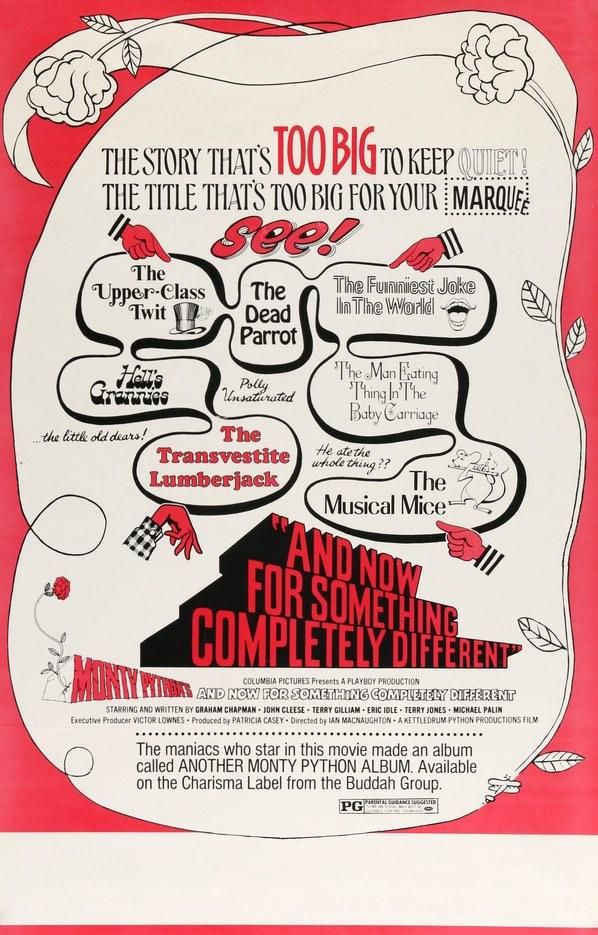
Not all that surprisingly, the film bombed, despite Buddah’s enthusiastic-if-misguided cross-promotion efforts. “Some idiot designed a poster with a happy snake with a funny hat on,” griped John Cleese. It’s not clear if the idiot in question worked for Columbia or Buddah, but the team made sure going forward that all graphics and visuals associated with the Pythons would come from the mind of Terry Gilliam, at least for the foreseeable future. (In all my research, I have not been able to find the image of the be-hatted snake that Cleese found so irritating.)

A Buddah-era ANFSCD poster, 1972, with a little hype for the album at the bottom

And Now For Something Completely Different was written off (for now), but the album…it was starting to get some attention from FM radio stations. “The albums never sold in enormous numbers, but they provided a wonderful base,” says Lewis. Large chunks of first-rate Python material began hitting the American airwaves, usually in the overnight hours in the big city markets. “That FM stoner crowd was quite important,” says Michael Palin. “U.S. television was very commercial and safe but with a lot of rock DJs, Python was exactly the sort of stuff they were looking for…WNEW in New York would play Python clips all the time.”

By this time, the Pythons had long finished producing their third series of Flying Circus, but it remained unaired (due to a crowded BBC schedule, and head office concern over some of the edgier content). They were gearing up to do an original 45-minute episode for German TV (their second), and decided it was time for another album.

On Monty Python’s Previous Record, original material had roughly equal time with material drawn from the TV show, this time from the third series which had finally started being broadcast at the time of the album’s recording. (One sketch, “Fish License,” they pulled from all the way back in the second series.) Once again, the Jones/Palin team were in the producer’s seat, but just as Terry Jones shepherded the the second album (much to his distress), Michael Palin stepped up and took point on this one, bringing in Andre Jacquemin.

Andre Jacquemin was a teenage apprentice working at a London studio under the supervision of an old-school recording engineer, Alan Bailey (whose claim to fame was engineering several Cliff Richard sessions and working for Radio Luxembourg). One day in 1971, on his way out to lunch, he fortuitously bumped into Michael Palin, who was shopping around for a studio to record some voiceovers. With Bailey being all booked up, Jacquemin took on the session himself — and deeply impressed Palin. “What Andre was doing with music and sound effects was incredible,” remembers Palin. The debacle of recording Another was probably pretty fresh in his mind. “I asked him if he wanted to help me make [the next] album. Thankfully, he says ‘Yes.’” 

“Mike explained what he needed and pointed to a three-foot high pile of scripts,” says Jacquemin. “He said ‘Just take those home and have a look at them, then you can tell us when you want us and what you want us to do.’ The only thing that kept going through my head was, ‘Oh God! These are all Cambridge and Oxford graduates…all I had was a swimming certificate and a bicycle proficiency test in terms of qualifications, so I thought ‘oh, crumbs! I’m in big trouble here…’ Anyway, I embraced it and told them I’d put together a budget and let them know.”

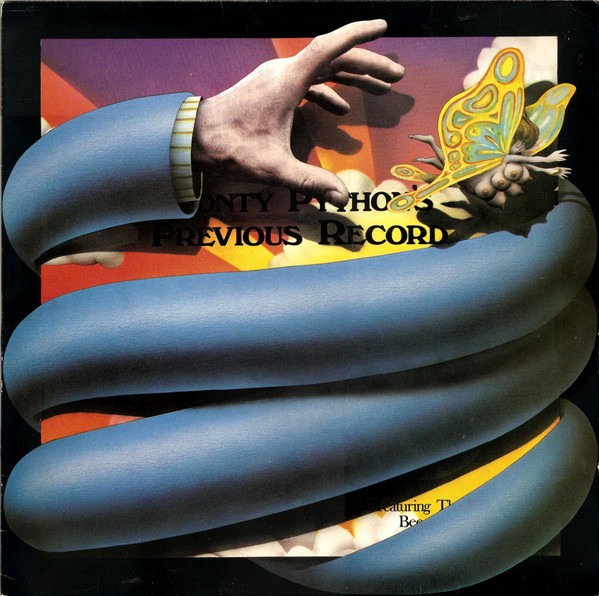
The album cover was a typical Gilliam flight of fancy, and the original inner sleeve advertised completely fictional albums supposedly also available from Charisma Records, such as Friday Night is Bath Night by J.P. Gumby, and Party Time! by Princess “Piano” Margaret. (Sadly, later pressings had an inner sleeve featuring actual Charisma products, and another good joke was ruined by the men in suits.) 

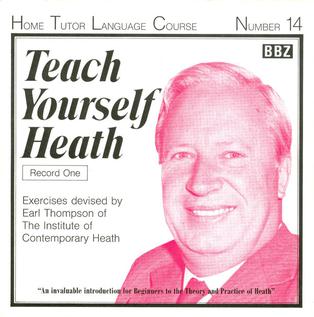
Included with the initial pressing was a small flexi-disc called “Teach Yourself Heath,” providing the record buyer with lessons on how to imitate the speech and mannerisms of Britain’s current Prime Minister. “Eric and I spent a day listening to Heath’s speeches,” says Palin. “At a certain point I went to sleep…I feel the record hasn’t done justice to the boredom and inanity of those party political speeches. If it is funny, thank Mr. Heath for that. It’s all him.”

Monty Python’s Previous Record 

Released: December 8, 1972 (U.K.); ? 1973 (U.S.)

Produced by Michael Palin, Terry Jones, Andre Jacquemin, and Alan Bailey

Track Listing:

Side One

1. Introduction

2. Are You Embarrassed Easily?

3. A Book at Bedtime

4. Dennis Moore (Part 1)

5. The Money Programme

6. The Money Song

7. Dennis Moore (Part 2)

8. Dennis Moore Theme Song (Part 1)

9. Australian Table Wines

10. Dennis Moore Theme Song (Part 2)

11. Argument Clinic

12. How To Do It

13. Dennis Moore Theme Song (Part 3)

14. Pepperpots (How To Put Your Budgie Down)

15. Personal Freedoms (Jean-Paul Sartre)

16. Dennis Moore Theme Song (Part 4)

17. Fish Licence

18. Eric the Half-a-Bee

19. Radio Quiz Game

20. Travel Agent

Side Two

1. A Massage from the Swedish Prime Minister (I)

2. Silly Noises

3. Anne Elk

4. The Yangtse Sketch

5. We Love the Yangtse

6. A Massage from the Swedish Prime Minister (II)

7. A Minute Passed

8. Eclipse of the Sun

9. Alistair Cooke

10. Wonderful World of Sound

11. Funerals at Prestatyn

12. A Massage from the Swedish Prime Minister (III)

13. A Fairy Tale (Happy Valley)

Beware starting this one with the volume too high. The listener is immediately jolted by the introduction on side one, which features Terry Jones screaming at the absolute top of his lungs “Not this record! Not this record! Not this record!” until the needle is pulled and we are lulled into a gentle attempt to get uptight British listeners over their innate embarrassment at certain words (“megaphone”) and sounds (which have to be heard to be appreciated, but they’re…rude.)

The well-known classics here are “Travel Agent” and “Argument Clinic,” but long-time fans will appreciate series three sketches such as “Anne Elk” (and her controversial theory about the brontosaurus), the Blue Peter parody “How To Do It” (“How to play the flute: blow here and move your fingers up and down there”), and the reappearance of Mr. Praline, who we last encountered trying to return a dead parrot to the pet shop. This time he’s applying for a license for his pet fish, Eric (a halibut). “Fish Licence” concludes with the only Python song to feature the deeply non-musical John Cleese singing a solo vocal part, “Eric the Half-a-Bee,” an album-only treat not included in the TV version of the sketch. It was never performed live, but you can always tell who’s a hardcore Python fan based on their deep love for this song. The running gag through side one is the adventures of Dennis Moore, a Robin Hood-style, 18th-century highwayman who can’t quite get the hang of redistributing wealth. More precisely, it’s Dennis Moore’s theme song that gets constantly revised. (The running gag through side two is a “massage from the Swedish prime minister” — but it doesn’t vary. Each time it appears, it says the exact same thing. There’s an explanation for that, see below.)

Continue reading

1 Comment

Filed under Pop Culture

Monty Python: The Albums (Part 1)

“We were convinced Python wouldn’t go in America.”  — Eric Idle

Variations on this statement have been uttered by all members of the Monty Python comedy team at one time or another, and it’s a statement to which I take patriotic exception. If that were true, if us stateside folks really were a bunch of provincial, close-minded xenophobic rubes who only wanted domestically-produced comedy on the level of The Three Stooges and Gilligan’s Island, then Python would have failed. (And by the way, Britain has their fair share of provincial, close-minded xenophobic rubes too.)

But they did not fail. They were — eventually — a resounding success. The Pythons are immortal because their material did work in the U.S. Unfair as it may seem, you don’t get multi-generation global approbation without breaking in America. No one outside the borders of the U.K. gives a tenth of a shit about British “superstars” like Cliff Richard (old) or Robbie Williams (relatively recent). Who? Exactly. 

I’ve written about Monty Python several times in these virtual pages, and I’ve always felt the need to start off with a little potted history on them. This time will be no different.

The Monty Python troupe consisted of Graham Chapman, John Cleese, Terry Gilliam, Eric Idle, Terry Jones, and Michael Palin. All were products of either Cambridge or Oxford University, where — while pursuing professional degrees in things like law (Cleese) and medicine (Chapman) — they honed their peformance chops in traditional live theater, sketch revue shows, and after-hours cabaret. (The lone exception was the Minnesota-born Terry Gilliam, who was a typical overachiever — in his senior year of high school he was simultaneously class president, head cheerleader, and editor of the school paper. His subsequent years at Occidental College made him “honorary Oxford” in the group’s eyes.) But all of them abandoned traditional career paths as the lure of show business proved too strong to resist.

BBC-TV was going through an unusually experimental and indulgent phase in the mid to late 1960s. One of their flagship shows was the satirical Frost Report, considered a landmark of topical, cutting-edge humor. John Cleese was doubling as a writer and as part of its ensemble cast. The BBC took a shine to the tall, angular comedian, and almost casually offered him a show of his own which, after a couple of years and many twists and turns, became Monty Python’s Flying Circus (with Cleese declining headliner status — he wanted to be regarded solely as part of the team.) The hastily-assembled Python group came into the BBC’s headquarters in the spring of 1969 with the most hilariously uninformative pitch imaginable — they admitted they had no idea what the format of the show would be, or if there would be musical numbers, or guest stars, or…anything, really. They just offered a shrug and a collective sheepish grin. The result was they were offered “only” thirteen episodes at first, and told to get on with it. 

As Idle put it, “We didn’t know what we were doing, but we insisted on doing it.”

Early BBC photo session, 1969, missing Gilliam, whose role within the group hadn’t quite been decided by the BBC publicity department

The BBC were not as far out on a limb as it may have appeared. Although the Pythons were still all quite young at this point (the oldest, Cleese, turned 30 a few weeks after the show’s premiere), this was not their first rodeo. Except for Gilliam, their American animator and illustrator, they were all veterans of the Frost Report writers’ room. Moreover, they had all been writer-performers on their own TV shows already. Cleese and Chapman put together 1967’s sketch comedy show At Last the 1948 Show (for ITV, not the BBC) and Idle, Jones, and Palin created a surreally anarchic children’s show, Do Not Adjust Your Set (ITV, 1967-69) that had just as many adult fans as kids (distinguished solicitors and merchant bankers were said to have left work early to catch it each Thursday afternoon.) The fresh-off-the-boat Gilliam joined DNAYS as animator in its second series in 1968.

Did I say second “series”? Yes. As we all know, the Brits and the Yanks are two people separated by a common language. When they say “public school,” they mean “private school.” When we say “series,” we are referring to a TV show in its entirety. When they say “series,” they are referring to what we call a “season.” So Monty Python’s Flying Circus is divided into “Series 1” (13 episodes, 1969-70), “Series 2” (13 episodes, 1970), “Series 3” (13 episodes, 1972-73), and a truncated “Series 4” (6 episodes, 1974 — without Cleese, and with the title shortened to just Monty Python).

After a slow start, Monty Python’s Flying Circus gradually gained viewing numbers and was a critical hit in the U.K. by the end of its first series, and a popular hit by the end of its second. Could the brand be exported? The team themselves were skeptical, but knew they wanted to stretch their wings beyond the BBC.

The Pythons’ first shot at the American market was not their television show at all. It was a film (see below). It failed, confirming their suspicions.

Their second shot consisted of comedy albums. Those started getting people’s attention…

Yes, Python’s initial handful of American fans in the wild and woolly early 1970s thought of them as primarily purveyors of comedy albums, akin to the Firesign Theater and Cheech & Chong. It was actually vinyl LPs that got Monty Python’s trademark foot in the door of America — circulating through university dorm rooms and being played in the wee hours on progressive FM radio stations. Over the course of their lifespan as a full group (1969-83), Monty Python released ten albums, several of which are considered absolute masterpieces of original audio comedy, true companion pieces to their groundbreaking work in the television medium.

So with this series of essays, the Holy Bee hopes to put the development of those albums in the context of the group’s overall timeline and creative output…and explain how they helped in their American breakthrough.

Let’s start by asking why the Python team was so convinced their material would never fly in the United States.

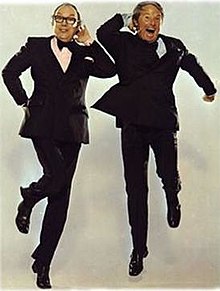
Morecambe & Wise (U.K.)

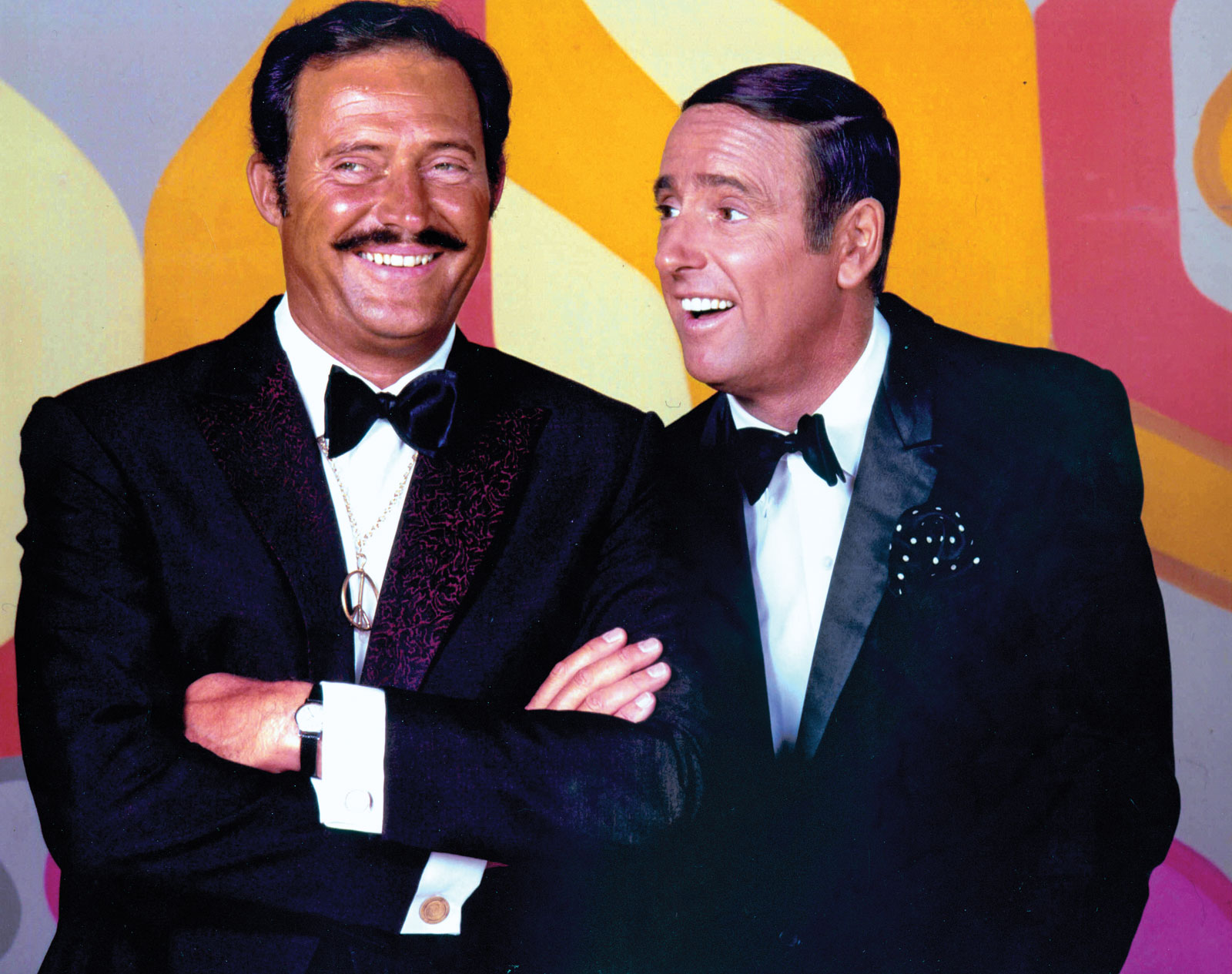
It comes down to the supposed difference between “British humo[u]r” and “American humor.” What sets British humor apart from its trans-Atlantic counterpart that speaks the same language? The more I researched this question, searching through Quora, Reddit, and simply asking people, the less clear the distinction became. It’s often stated that British humor is distinguishable because it’s dryer, “smarter,” irony-based, darker, and so on. American humor is broader, more obvious, maybe a little gentler and more sentimental. But examples abound that none of these traits solely belong to one side, nor does breaking formula result in a smaller audience. And that’s not just a recent development. In America, the dry-as-a-bone Button-Down Mind of Bob Newhart won a Grammy as far back as 1960 and sold by the truckload. The cerebral comedy team of Nichols and May had lines around the block when they hit Broadway the same year. A little later, American films like MASH and Harold and Maude were wickedly smart and incredibly dark, and had great success at the box office. On the other side of the spectrum, sappy, generic sitcoms, unimaginative “comedic” variety shows, and — God help us — the hideous sucking chest wound of British humor known as Benny Hill were all over British television for decades and watched by millions. The deeply moronic Carry On film series was a beloved British institution. American rednecks at the sports bar and British punters down the pub are a remarkably similar breed, and no one has a monopoly on a style of comedy.

Rowan & Martin (U.S.)

Some say most British humor comes off as “smarter.”

But Python’s intellectualism is surface-only. Take, for example, the Monty Python sketch known as “The All-England Summarize Proust Competition,” a game show-style televised contest to see which contestant could verbally condense French modernist Marcel Proust’s seven-volume philosophical novel A La Recherche du Temps Perdu in just fifteen seconds. Heady stuff…but, by their own admission, none of the Pythons had actually read Proust. They just knew him as a cool name to drop to sound smart. And lest we forget that the Pythons also excelled at lowbrow humor, the actual winner of the “All-England Summarize Proust Competition” was…“the girl with the biggest tits.” You don’t have to have graduated Oxford to laugh at the premise and the naughty punchline.

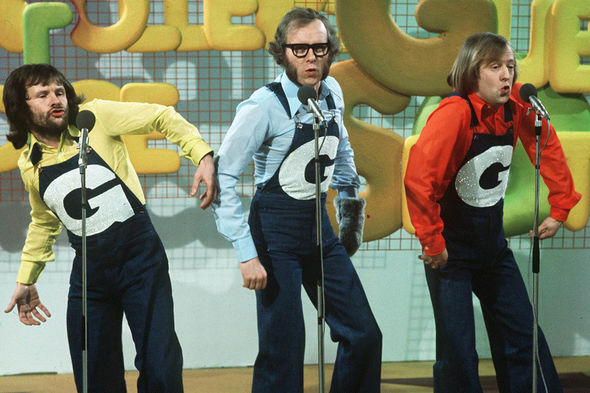
The Goodies, doing “The Funky Gibbon.” I’m embarrassed on their behalf

On the other hand, what happens when you eschew any level of smartness and go for pure silliness? Well, you get the Goodies — another British comedy team (Tim Brooke-Taylor, Bill Oddie, Graeme Garden) with identical backgrounds to the Pythons (Oxbridge educations followed by a comedy-writing apprenticeship at the BBC), and whose lifespan as a team was almost identical as well — but they dropped all pretensions of engaging their audience on an intellectual level…and their comedy suffered. Frankly, the Goodies often crossed the line from silly to flat-out stupid. And it was fake stupid (as opposed to Benny Hill, who at least came by his stupidity honestly). These were guys as smart as the Pythons, but deliberately dumbed themselves down. It backfired, and they ended up with no shelf life. (The Pythons have always been good friends with the Goodies, who were all incredibly talented individuals, and their creative paths have crossed several times on other projects. Also, RIP Tim Brooke-Taylor, co-creator of At Last the 1948 Show with Cleese and Chapman, and an early casualty of Covid-19 in April of 2020.)

So it seems that British humor is simultaneously smarter and sillier, referencing Proust, Sartre, and Bergson one moment, then making boob jokes the next. But this hybrid intellectual/silly/surreal blend — or at least its acknowledgement as the modern definition of “British humor” by Americans — may actually originate solely with Monty Python. It’s the reason the term “Pythonesque” is now in the Oxford English Dictionary. They were true originals, or at least the ones who put the pre-existing parts together for the first time.

The Pythons’ uniqueness led to their success, and ultimately proves that the gap between “British humor” and “American humor” is really no gap at all — Americans can do smart references, cutting irony, and dry sarcasm. And the Brits can do the broad, the formulaic, and the sentimental. In fact, both sides do all of those things an awful lot.

In the end, I think the perceived “gap” is explained by three very simple things. 

1) The British — now and forever, upper class to working class — love cross-dressing and believe it’s inherently hilarious. Some Like It Hot aside, Americans have always been a little conservative about playing with gender. (And speaking of class, Americans really don’t get Britain’s all-consuming obsession with class levels.)

2) The use of terminology, slang, and cultural references that would only be recognizable to someone living in the British Isles.

3) Most importantly — stubborn American resistance to the English accent. I personally know people who claim even the clearest, most precise “received pronunciation” English accent makes them throw up their hands and insist everything being said is incomprehensible. And any English accent of any region sounds off-puttingly stuffy and pretentiously “smart” to many American ears. We still seem to have an inferiority complex when comparing ourselves to our supposedly more sophisticated English cousins — and the accent triggers it. Many will shut their ears and not even try, thinking it’s somehow above them. (In comedy, at least. Historical costume dramas seem to get a free pass. The accent suddenly makes sense in that context. And notice I’m specifically referring to English accents here. Irish, Welsh, and Scottish accents provide their own special array of befuddlement for us.)

So…the first series of Flying Circus had concluded in January 1970, to critical plaudits and increasing ratings. The group was deep into writing and assembling material for the second series when the BBC decided there was a market for an audio recording of the highlights of the show so far. The easiest thing would have been to just make a vinyl release of edited audio from the actual episodes, perhaps with a little helpful narration (which was common practice for BBC Records), but the Pythons insisted on re-recording the material. The BBC, somewhat surprisingly, agreed.

Not long before the recording date, the Pythons were dismayed to discover that the recording was not to be made in the controlled confines of a proper recording studio with state-of-the-art stereophonic equipment, but to be made in a theater in front of a live audience — old radio show-style. 

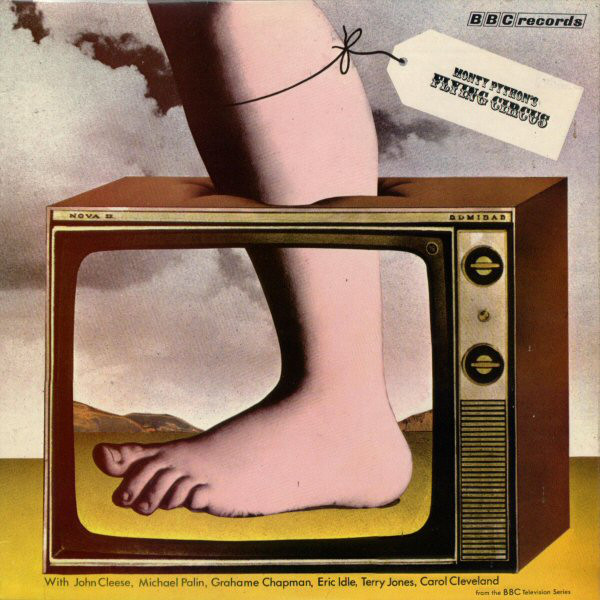
Monty Python’s Flying Circus 

Released: November 6, 1970 (U.K. only)

Produced by Ian MacNaughton

Track Listing:

Side One

1. Flying Sheep

2. A Man with Three Buttocks

3. Crunchy Frog

4. Nudge Nudge

5. The Mouse Problem

6. Buying a Bed

7. Interesting People

8. Barber Shop

9. The Lumberjack Song

10. “It’s the Arts” Interview: Sir Edward Ross

Side Two

1. “It’s the Arts” Interview: Arthur “Two Sheds” Jackson

2. Children’s Stories

3. The Visitors

4. Albatross

5. Mr. Hilter

6. The North Minehead By-Election

7. Me, Doctor

8. Pet Shop (Dead Parrot)

9. Self-Defence

“Classic” sketches — the ones every Python fan can recite by heart — include the gross-out perennial “Crunchy Frog,” everyone’s favorite innuendo-fest “Nudge Nudge,” “The Lumberjack Song,” “Self-Defence” (or, “How to defend yourself against someone carrying different kinds of fresh fruit”), and the mighty “Pet Shop (Dead Parrot).” 

Continue reading

Leave a comment

Filed under Pop Culture

The Spotify Chronicles, Vol. 2: Making Playlists

Dateline: Davis, CA. COVID-19 “shelter-in-place” quarantine, March 18 through…?, 2020

The “Spotify Chronicles” were/are cobbled together out of random music-based thoughts I shared with the Institute of Idle Time (see previous entry for more on those tasteless wretches) via instant messaging as I “worked” from home, or typed piecemeal into a constantly-open Google Doc late at night as I was drinking old-fashioneds and plugged into my earbuds…keep in mind, these are unvarnished opinions, and chunks of the following are literally copied-and-pasted out of IM discussions, with a few editorial tweaks to keep it semi-coherent…

So I’m doing a lot of listening and making a lot of playlists. I suppose I should start by giving you my definition of a playlist.

Spotify

A decades-themed “mixtape” on Spotify

To my mind, a playlist is dedicated to a single band or artist, and is a microcosm of that artist’s entire discography. Greatest hits, obviously, but also personal-favorite Deep Cuts, maybe a few live tracks, and some other odds & sods, like something that popped up on a movie soundtrack but nowhere else. This definition dates from a pre-streaming era when you had to boil your physical-media music collection down to make it portable — either onto blank cassettes, or blank CDs after a certain point in music-copying history.

One of the advantages of making playlists from streaming platforms is that there’s no time limit, which expands your options. On the other hand, I do remember enjoying the challenge of a time limit. An 80-minute CD-R or 90-minute cassette imposed boundaries to work within. It was all about maximizing space. I remember being appalled when WH used up fifteen minutes of a Hendrix compilation with the blues workout “Voodoo Child.” (“And I’d do it again,” he asserted when asked about it recently.) And if you ran out of space for a really good artist with a lengthy career? You did Volume 2, Volume 3…

Now let’s draw a distinction between “playlists” and “mixes” (which I will almost always refer to here as “mixtapes”). 

Playlists are a reference work, a song-based encyclopedia entry. Mixtapes are more like literature. They can be thematic, or mood-based. They take you on a journey. You can do a single artist mixtape, but they tend to be multi-artist. Mixtapes are finite, they are a finished work. Playlists can be endlessly tinkered with, revised, and updated, especially when you’re as neurotic about them as I am.

I use mixtape in the broadest possible sense, of course. The term obviously originated in the days of the cassette tape, but for over twenty years now, all of my “mixtapes” have been burned CDs or made online. (And muddying the waters a bit, streaming services generically call any list or mix you make a “playlist.”)

If you’re going analog, a 60-minute cassette, thirty minutes a side, are best for mixes. Mixtapes are often intended to be given to someone else, so you need to keep it short and tight. Don’t want to bore the person you’re trying to impress. You get a slightly better sound quality from a shorter tape, too, and they’re not as likely to break or get tangled. The 90-minute cassette was my standard workhorse for making artist playlists. 120-minute cassettes were available, too, but they were just too fragile and tended to warble a little. Some people swore by Maxell, I was a TDK man. Solid quality at a slightly lower price.

0dccfae9-e87f-45ac-a803-4c231b29e8f3_1.aeb7747713aac0fda292ee76f6ad6132

Sure, you can swap mixtapes with your music-nerd buddies, but I’ve found that mixtapes are almost exclusively made for the object of your affection. This is certainly not an original observation.

My wife lamented awhile back that I made her four mixtapes over the first year we were dating, and then no more. My sister-in-law chimed in said the identical scenario went down between her and my wife’s brother. Mixtape-making for your significant other usually ceases right when cohabitation begins. Mixtapes are supposed to inspire them to think about you when you’re not around. Once you’re snoring next to them on a nightly basis, and they can hear your frankly alarming bathroom noises on the other side of the door, mixtapes seem a tad superfluous. (And new cars don’t even have CD players!)

611rsfQE5HL._AC_SY550_

R.I.P.

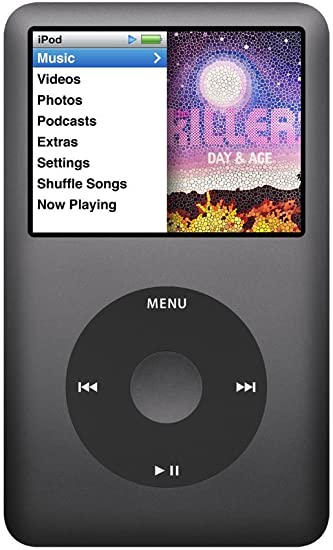
The last time I did something similar to this Spotify project was before streaming became a thing. I spent a summer about ten years ago making iPod playlists. I had ripped my thousand or so CDs into mp3s, and supplemented my collection by flying the BitTorrent Jolly Roger. (I am a reformed man, and now duly pay for my streaming services.)

But iTunes (sorry, “Apple Music”) has been gleefully pissing in the Cheerios of old-school music fans for a number of years now. Every iTunes update actually making the interface objectively worse? Good move, Apple. Blithely “discontinuing” their 160-gig, physical-click wheel iPods? Screw you, Apple. Way to make me hate you forever. So I dumped those shallow Cupertino grassfuckers and started giving my money to the humble Swedes of Spotify Premium. 

So the Spotify Playlists of the 2020 Quarantine were preceded by the 2010 iPod Playlists of the BitTorrent Boom…there was another cycle of making “playlists” ten years before that — right when CD burners became an affordable option — when I was happily listening through my CD collection on a battery-sucking Discman with sponge-covered headphones, and filling Case Logic carrying cases with artist-themed CD-Rs made on my PC. 

(Hear that, Apple? On my PC! And who really preferred super-douchey toolbag Justin Long to nice, earnest John Hodgman in those commercials?) 

31215-51893-000-3x2-I'm-a-Mac-l

Not coincidentally, I switched to Spotify the day after Tom Petty died, and I immediately poured my grief into a Petty playlist. I added other playlists over the next couple of years when the mood struck me or I was bored at work. I put together some obvious favorites (Beatles, Stones, Kinks, Dylan), and some good-but-not-exactly-favorites because that’s what interested me that day (Queen, Steve Earle, a Faces/Small Faces mashup that I’m pretty damn proud of). 

Now I’ve decided to put my socially-distant, non-work time (which is copious) to use filling in the gaps in my Favorite Artists playlists. No Springsteen? There is now! Green Day, which everyone seems to think I like way more than I actually do? They’re on the to-do list. Johnny Cash and Prince are going to be daunting, but I haven’t worn pants since St. Patrick’s Day, so I might as well plunge in. Next week, maybe. Or in two or three weeks. Time has lost a lot of meaning.

What’s my method? I’m so glad you asked.  Continue reading
Leave a comment

Filed under Life & Other Distractions, Music -- 1960s, Music -- 1970s-80s, Pop Culture

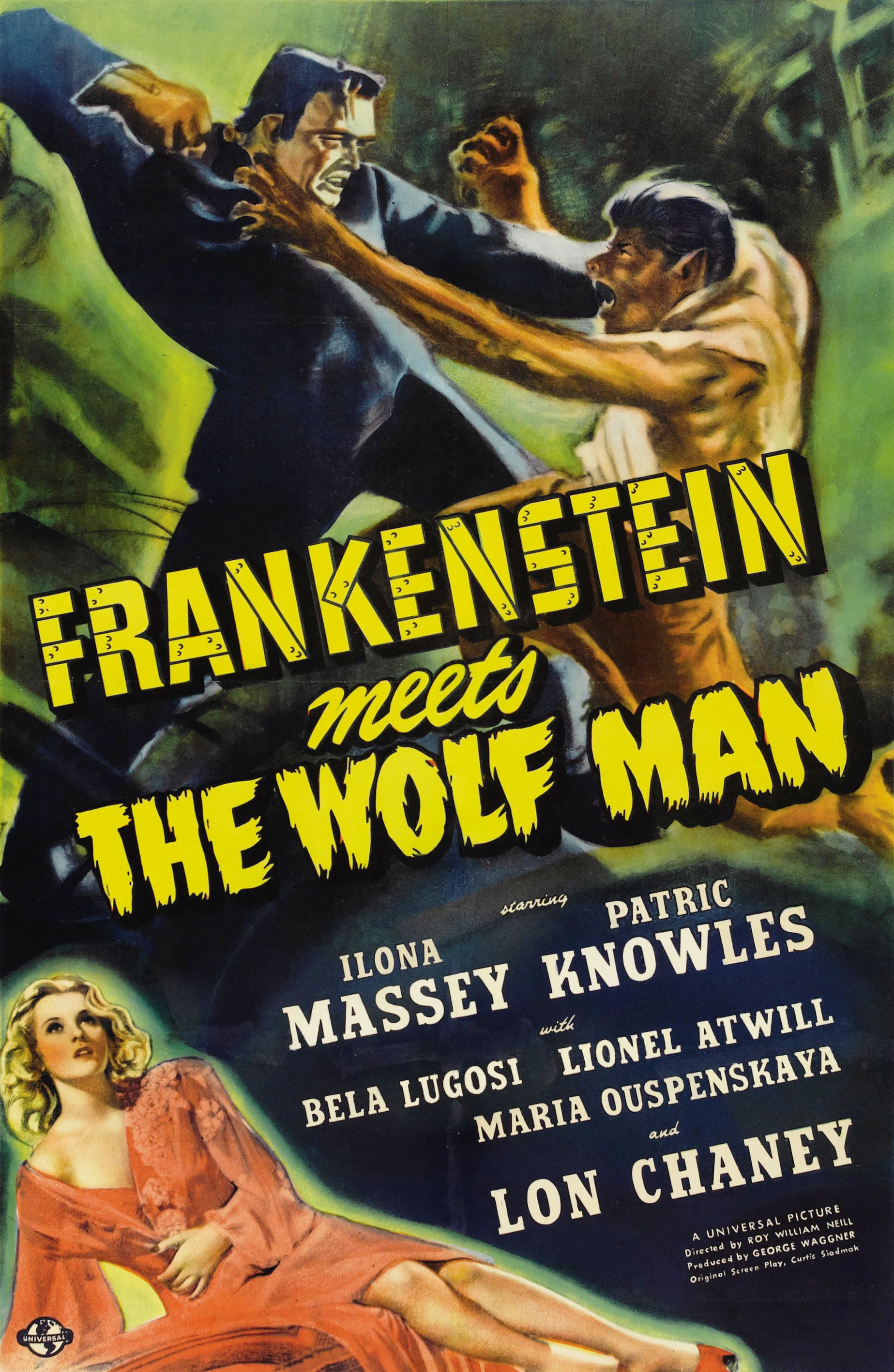
The First Shared Cinematic Universe: Universal Monster Movies (Part 4)

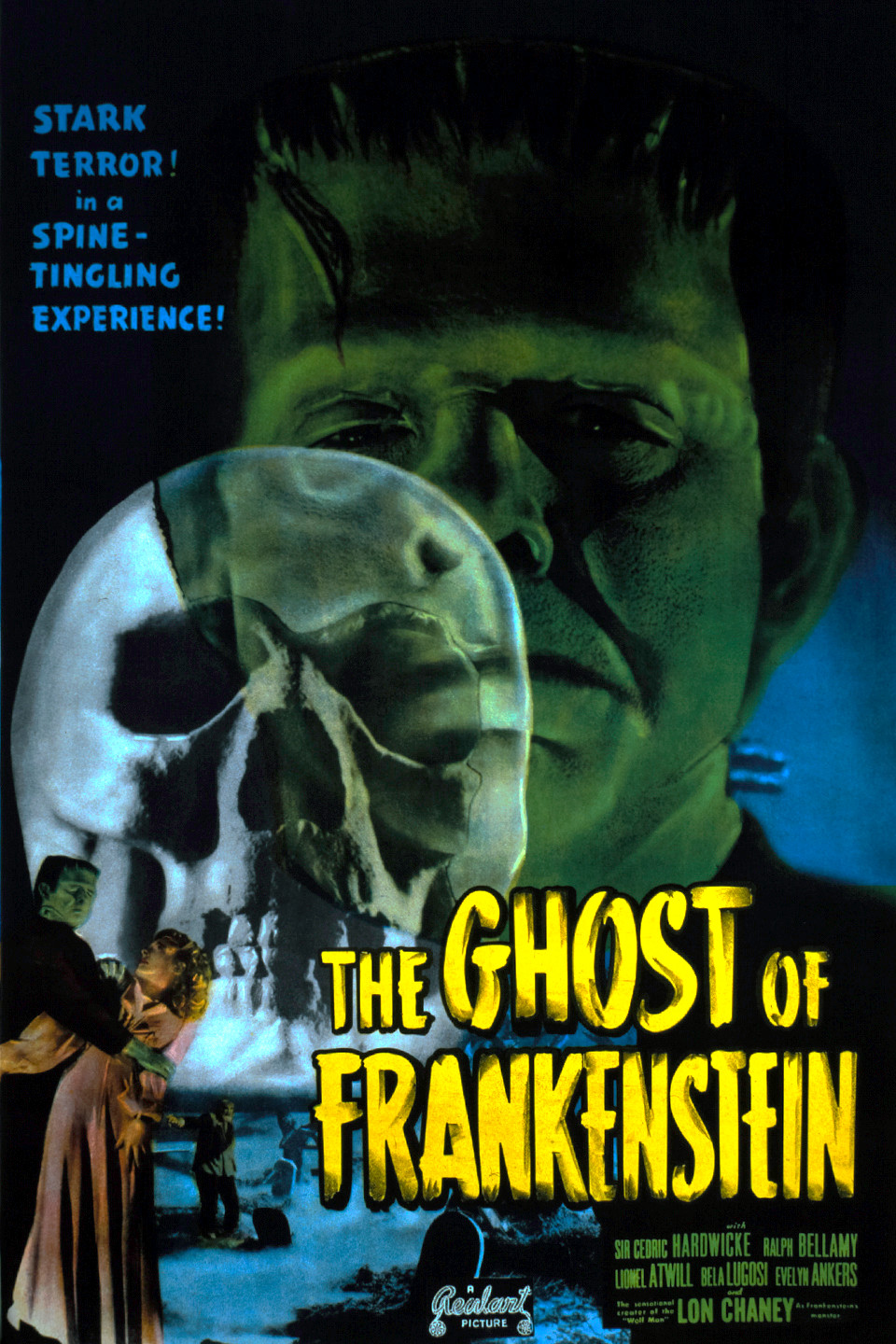
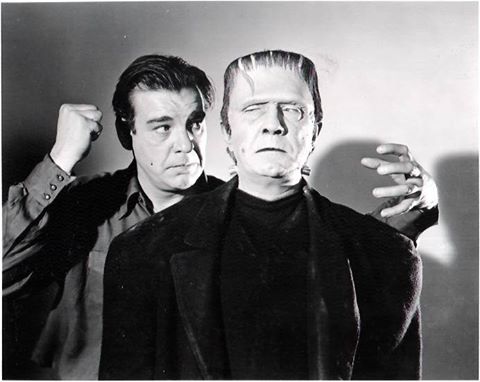
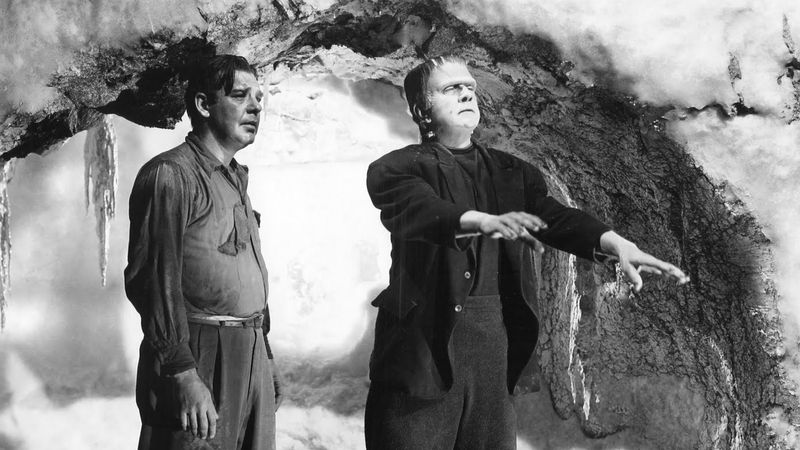
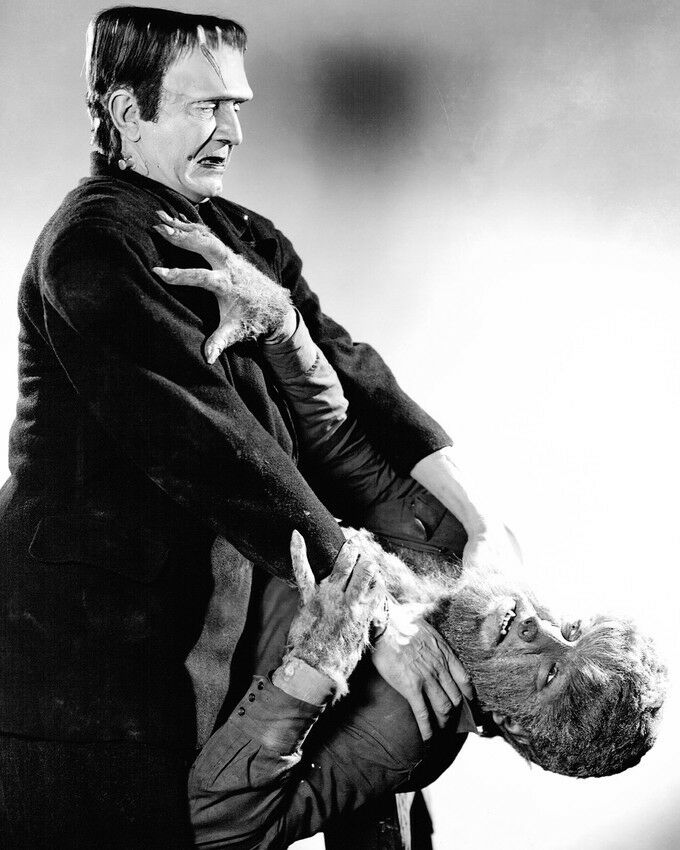
The Budget Sequels

MV5BZGMxODA2NGEtOTI1MS00Y2QwLThhODYtOWUwZjU3NWI1OGEyXkEyXkFqcGdeQXVyNjc1NTYyMjg@._V1_The Ghost of Frankenstein (March 1942) and Chaney’s performance marked the transition of Frankenstein’s Monster from Karloff’s confused, hurt, and occasionally dangerous creature seeking some kind of human connection to the slow, clumsy, blank-faced killing machine he would remain in many people’s imaginations from then on. (People who see Karloff in the first two Frankenstein films are often surprised by how lithe and expressive the Monster was initially.)

Now that Universal had Chaney, Tom Tyler was given his walking papers (shuffling papers?) after a single performance as the Mummy. Lon was duly wrapped up into his least-favorite character and staggered through increasingly bored performances in The Mummy’s Tomb (October 1942), The Mummy’s Ghost (July 1944) and The Mummy’s Curse (December 1944). On-set sources say he had a flask of booze wrapped into his mummy bandages by the costume department, with the tip of a drinking tube near his collarbone. If nothing else, he was a creative engineer of ways to get his daily intake. He did create the Mummy’s well-known gait, based on the damage the monster sustained by Tyler’s incarnation in Hand…left arm cradled against his chest, left leg dragging.

61c6924a7e13c09e7fd07fe7cb5e31f2

Chaney’s face says it all. He hated doing his Mummies.

e532451dee2edaa1d12dcbae87cace2b

And who better to play Count Dracula than the lumpy, pot-bellied, double-chinned Lon Chaney? Universal’s commitment to putting Chaney into all of its monster roles reached its ludicrous limit when the hilariously miscast Chaney donned the cape and fangs in Son of Dracula (November 1943). The title is a head-scratcher — most of the time, the movie seems to think that the leading character is the Count himself. (Anyone suggesting the 61-year-old Lugosi should reprise his role would have been laughed out the room, but Chaney is even more risible.)

Lon-Chaney-Jr.-Son-of-Dracula

Really?

What’s frustrating is that this had the potential to be a pretty good B-level horror flick. It’s based on an original story by Wolf Man scribe Curt Siodmak, and its setting among the old plantation houses of Tennessee gave it an eerie, swampy, Southern Gothic atmosphere. It boasted the first on-screen bat-to-man transformation. Long-suffering Evelyn Ankers gamely returned for a third go-round as Chaney’s on- and off-screen victim. 

51k5SAoaPHL._SX425_

Well over a year before Son of Dracula splattered onto the screen, Curt Siodmak off-handedly mentioned a funny idea for a title to producer/director George Waggner …Frankenstein Wolfs the Meat Man. Waggner took him seriously…

“Frankenstein Wolfs the Meat Man”

Lon Chaney was Universal’s in-house horror star, and had already played both Frankenstein’s Monster and the Wolf Man. Was it possible he could play both at the same time? He insisted he was up to the challenge. Director Roy William Neill, a veteran of Universal’s Sherlock Holmes series starring Basil Rathbone, considered the possibility. With a liberal use of doubles and a little trick photography, he decided it could be done. But it would inflate the budget, and Chaney’s reliability was questionable. Universal nixed the idea.

MV5BMDZjMDJkMmYtOGU0NC00OWUxLTljNWMtYjViZjIzNTdjYjU0XkEyXkFqcGdeQXVyMTQxNzMzNDI@._V1_

If nothing else, it made for a great poster

The next option was someone who was a big name in horror, and whose salary would not break the bank. To Universal, that could only mean one thing — get Bela. This would actually neatly tie in with the end of Ghost of Frankenstein, where the Monster received Ygor’s brain. It was a logical development that he should speak with Ygor’s voice. (Not that Universal ever cared a fig for continuity, it would just be a happy coincidence.) Would Lugosi take on the role of the Monster, that he had so famously turned down over a decade before? Lugosi was in no position to turn down high-profile work. He would soon turn 60 and had recently begun self-administering morphine to ease the pain caused by sciatica. So Bela subjected himself to the rigors of Jack Pierce’s Monster make-up at long last. (“For the money,” confirmed his wife later.)

frankie-meets-wolfie

Lugosi’s Monster side-eyes a nervous-looking Chaney

Frankenstein Meets the Wolf Man was released in March 1943. The first half is all Lon Chaney as Larry Talbot, resurrected by grave-robbers working under a full moon, and desperate to find a final cure for his lycanthropy, or at least the sweet relief of a permanent death. He believes the secret is to be found in the journals of Dr. Frankenstein (?!), and sets off to find the doctor, or his notes. For some reason, after perishing in a laboratory fire in his previous appearance, the Monster is found by Talbot frozen in a block of ice under the ruins of Castle Frankenstein. The Monster (mostly blind and speaking in Ygor’s voice in the original script) is run-down and of little help.

kqa57zmgzsia8bfsucud

Ilona Massey takes over the role of Elsa Frankenstein from Evelyn Ankers, so for anyone still desperately clinging to the notion that the name “Frankenstein” should never be applied to his Monster, I guess this is the Frankenstein Larry Talbot meets. (Lionel Atwill appears as the local mayor.) In due course, Talbot runs across a scientist who decides to — you guessed it — restore the Monster to full strength. And he decides to do it on the night of a full moon. Wolf Man and Frankenstein’s Monster do indeed duke it out, before being swept away by floodwaters released by vengeful, torch-bearing villagers.

s-l1000

For anyone watching closely, the Monster is played by stuntmen Eddie Parker and Gil Perkins almost as much as by Lugosi, who simply wasn’t up to the rigors of the more physical aspects of the role. Also, someone made the executive decision — once the movie had been entirely shot — that the Monster speaking in Ygor’s gruff, thickly-accented voice just didn’t work, and had all of his dialogue cut out (very clumsily in places.) Along with it went any reference to the Monster’s semi-blindness, and his explanation for how he ended up in ice. As the film now plays, there’s no reason for Lugosi to always have his arms held stiffly straight out in front of him, which became essential to all bad Monster imitations forever into the future.  Continue reading

Leave a comment

Filed under Film & TV, Pop Culture

The First Shared Cinematic Universe: Universal Monster Movies (Part 3)

Poe Folks (Karloff & Lugosi)

As soon as Boris Karloff and his Frankenstein’s Monster appeared on the scene, Bela Lugosi’s stock dropped with studio executives, if not necessarily audiences. Film historians have been unable to pin down exactly why. There was certainly room for more than one horror star. Lugosi could be stand-offish but was not difficult to work with — quite the opposite, in fact. Some blame his inability to adapt his old-fashioned, theatrical acting style to more modern cinema standards, but one viewing of Son of Frankenstein should be enough to scotch that theory. Maybe it was his proud refusal to tone down the accent. Could it be interwar xenophobia against someone from eastern Europe? Impossible to say for sure. All that can be definitively said is that Universal (and other studios, but Universal especially) seemed to go out of their way to treat Lugosi shabbily. 

bela-and-boris-3

Bela and Boris toast each other in a publicity photo from their first flush of fame, 1932. 

In 1934, Lugosi’s name could still draw horror fans, and it was known he worked cheap. And Universal had just renewed Karloff’s contract. The inevitable result was the teaming of the two. Karloff and Lugosi appeared together in five Universal films from 1934 to 1940, one of which was part of the Frankenstein series, two of which were more science fiction than horror, and two of which were very, very loose adaptations of Edgar Allan Poe stories. No matter the part, Karloff always received top billing and lots more money.

The first of these, The Black Cat (May 1934), is probably the most interesting. Lugosi is a traumatized war veteran just released from a Siberian prison and bent on avenging himself against the man (Karloff) who betrayed his wartime companions to the enemy, and stole away Lugosi’s wife and young daughter. Karloff is now an Aleister Crowley-like leader of a Satanic cult and is married to Lugosi’s daughter (the wife having been dispatched as a cult sacrifice long ago). After Karloff callously offs the daughter as well, Lugosi has his revenge, skinning Karloff alive, and then sacrificing himself so the Handsome Young Couple™ who had gotten themselves tangled up in this mess can escape. What does this have to do with the Poe short story “The Black Cat”? Nothing whatsoever, except that Lugosi’s character has a cat phobia, and this comes into play at one crucial point in the story.

black_cat_lugosi_karloff_0

Who has the more piercing stare? The Black Cat (1934)

The Black Cat may be one of the darkest, most twisted films of the 1930s, and merits a mention here even if it has nothing to do with the classic Universal monsters. (And it has one of the most classic lines from any Universal horror movie. When the goings-on are dismissed by the young hero as “superstitious baloney,” Lugosi remarks ominously “Superstitious…perhaps. Baloney…perhaps not.”)

The follow-up, The Raven (July 1935), also has nothing to do with the first shared universe, but has a little more to do with Poe than its predecessor. Lugosi has the madman part here, playing a deeply disturbed plastic surgeon with a Poe fixation, to the point that he has a stuffed raven on his desk. Oh, and he’s also replicated the pit and its bladed pendulum in an extensive torture chamber in his basement. When a Handsome Young Couple™ (and her father) enter his web, terror ensues. Karloff is the B-story — a murderer on the run who asks Lugosi to alter his appearance. Lugosi does — horribly disfiguring the criminal, promising to change it back only after he does his bidding.

vlcsnap-2547830

Lugosi disfigures Karloff, The Raven (1935)

Was there a long-running Karloff/Lugosi feud or rivalry as has long been speculated? Certainly not on Boris’ part, but because he came out on top, financially and in the public perception, he could afford to be magnanimous. Lugosi’s last two wives insisted that Lugosi really did not much like Karloff, and did give voice to jealousy and resentment in regard to his “rival” on occasion. As portrayed by Martin Landau in Tim Burton’s Ed Wood (1994), the elderly Lugosi would go into a profanity-laced rage at the mere mention of Karloff’s name. Bela’s son was gracious enough to praise Landau’s Oscar-winning performance, but stated that it was a work of fiction. The real Lugosi never used bad language, and never spoke ill of Karloff to anyone beyond private moments with his spouses. During the course of the five films they made together for Universal (plus two for RKO, and several self-parodying radio spots and publicity appearances), no one remembered a cross word between the two. Their relationship was always cordial and professional, although they did not socialize or build a friendship once they clocked out from the day’s work.

A Bride and a Daughter

Yes, Karloff got top billing and a truckload of money for a pretty small part in The Raven. Universal felt justified because Karloff was hot off Bride of Frankenstein — triumphantly revising the role that made him a star in a film that many, then and now, say surpasses the original. 

920x920

Updated make-up for the Monster — singed hair and scarred cheek after surviving a fire at the end of the original film.

As promised, James Whale got free rein to make the film however he wanted. He abandoned the somber tone of the original, and replaced it with a more personal style — dark comedy, with lots of symbolism, and moments of high camp. Henry Frankenstein has learned his lesson and wants nothing more to do with reanimating dead bodies. The problem is, his creation is still running amok. Knowing this, an old associate of Henry’s, the quite insane Dr. Pretorius, forces Henry to continue his experiments and make his Monster a mate. 

brideofFrankenstein2-1024x756

“A new world of gods and monsters” — Henry Frankenstein (Colin Clive) and Dr. Pretorius (Ernest Thesiger) admire their handiwork.

Karloff once again plays the Monster with a pure simplicity that can switch to fearsome menace. He has even learned to speak a few words (a development the actor fiercely opposed.) Colin Clive as Frankenstein is tense and edgy as before. But the movie-stealer is Ernest Thesiger as Dr. Pretorius. The flamboyantly gay Thesiger was an old theatrical crony of Whale’s, and had appeared as one of the very odd inhabitants of Whale’s Old Dark House, which struck a similar tone of suspenseful dread combined with gallows humor. (Thesiger was also a master needlepointer, and referred to himself as the “Stitchin’ Bitch.”) Dwight Frye makes a welcome return as Pretorius’ grave-robbing lackey, Karl.

Bride_Frankenstein_1935_21-1487460005-726x388

The title plays on the fact that many people were already incorrectly applying the name of the doctor to his creation. (The title can be taken at face value — Henry Frankenstein does get married in the film. Or it can indicate possession, that he’s the creator of the Monster’s mate, as in the “plays of Shakespeare.”) The Monster’s Bride herself is played by bohemian free spirit and former dancer and cabaret performer Elsa Lanchester, who appears as the iconic character only for a few moments at the end, and also plays a dual role as Mary Shelley in the film’s prologue. The Bride’s make-up is another Jack Pierce creation that has lived on in popular culture, and Lanchester said she based the Bride’s jerky movements and hostile hissing on the swans in Regent’s Park. Continue reading

Leave a comment

Filed under Film & TV, Pop Culture