

Will I ever write a one-part Holy Bee entry again? This one was intended to be a one-shot. A throwaway, even. Just some random observations and lots of images. But my usual over-writing and lack of editing discipline caused it to bloat up, as if it had eaten fistfuls of instant mashed potato flakes right out of the box (don’t do that). To quote Abraham Lincoln, “As the preacher said, ‘I could write shorter sermons, but once I get started I get too lazy to stop.’”
I toyed with idea of dividing it into two entries.
But no! It’s staying a one-parter because it’s a stupidly indulgent entry, and just not worth spreading over two monthly installments. Word count-wise, I managed to keep it on par with a typical entry here, but all these pictures…your scrolling wheel may wear out before you get to the end. Read with caution.
Anyway, on with it…
Get Back, Peter Jackson’s landmark three-part series on the filming & recording sessions that ultimately produced the Beatles’ Let It Be album and documentary, has been out for almost a year now. It has inspired websites and podcasts to do recaps, reviews, and “deep dive” analyses of the development of the songs, and especially the interpersonal relationships and late-period band dynamics that give this project such dramatic heft. And everything from George Harrison’s color-coordinated outfits to the copious amounts of toast the band consumed (the toast rack seemed to be an essential piece of studio equipment) has been remarked upon many times.
I will try to avoid the most talked-about and analyzed stuff because I’m almost a year too late to that party. Mostly, I want to look at the little things that I noticed, or wondered about.
I mean, really inconsequential things. This is going to get ridiculous.
It’s all about clutter in the background or quick cutaways, and little bits of dialogue that didn’t get heavily mentioned, or mentioned at all, in the hundreds of other reviews and recaps. My observations are really lopsided towards Part 1, just because there was so much being introduced. Part 3 is almost non-existent here because there wasn’t much new to notice, a big part of it was taken up with the rooftop concert to which I have little to add, and frankly, I was getting a bit burned out by my “micro-watching” of this whole thing.
I will assume the reader is familiar with the overall story of the “Get Back” sessions, or has watched the documentary already, so let’s jump right in.
Part 1 – 12:42 — Does the Hare Krishna (identified as Shyamasunder Das) randomly hanging out on the Twickenham set really keep his few worldly possessions in a tartan handbag from Freddy, a high-end Paris gift shop?
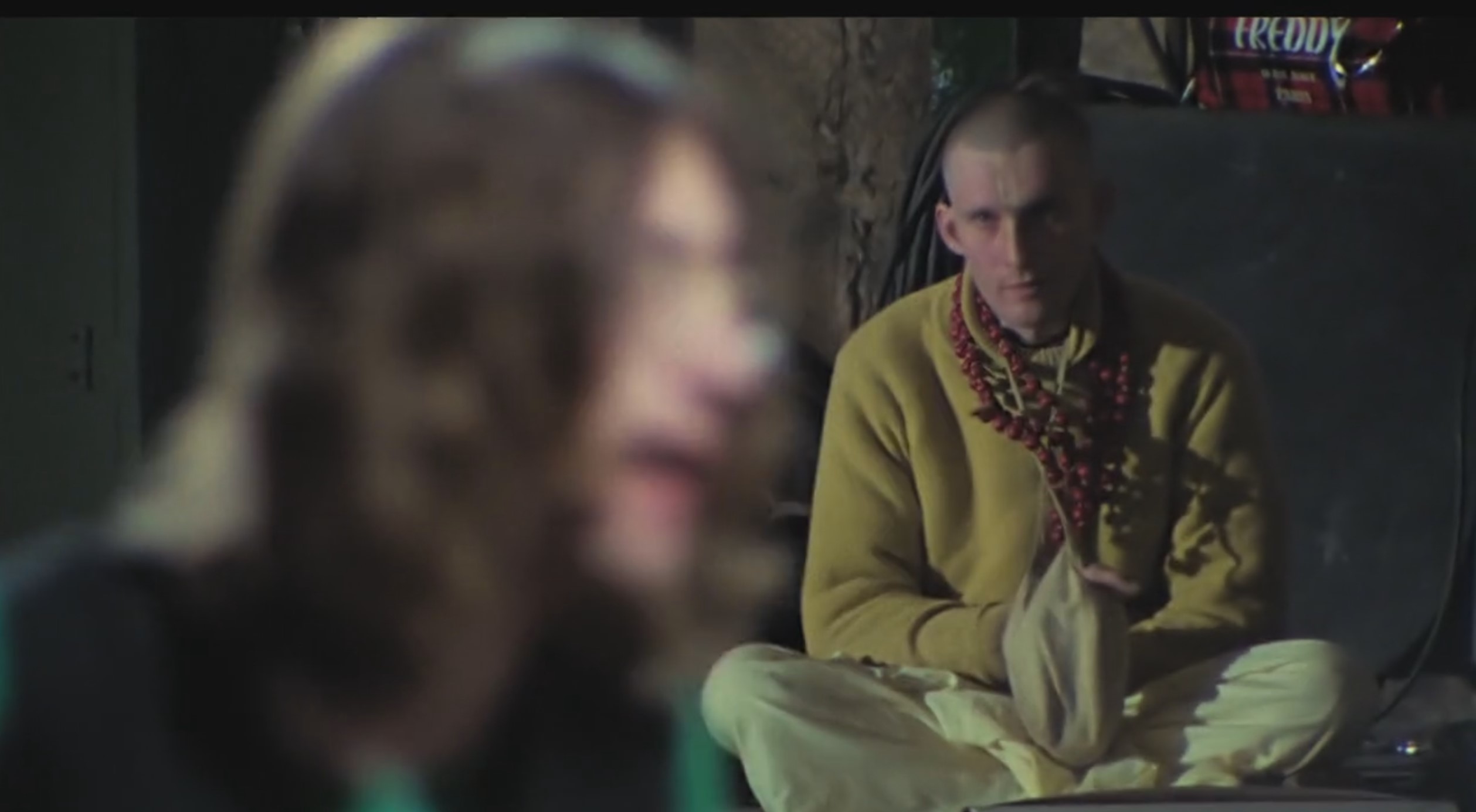
Also, why exactly is he there? Clearly it’s at George’s invitation. After an initial meeting the previous month, George, whose interest in Eastern religion and philosophy was passionate, agreed to help the small religious group set up a London temple. Upon Paul’s arrival for the session, he and John dismissively refer to Shyamasunder with a few lines of dialogue from A Hard Day’s Night (“Who’s that little old man?”). Although a tacit supporter of the Krishnas (he let several stay on his property later that year), John finally makes the offhand remark, “It’s a bit daft him being up there, isn’t it?” Daft or not, a couple of Hare Krishnas come and go through the first few days of the Twickenham sessions.
1 – 13:12 — Sticker Time! (1): The Bassman sticker makes its first appearance. The sticker was originally included with the Fender Bassman amplifier that was part of a sweet deal made with Fender the previous summer. The company would send along instruments and amps they thought the Beatles would like, and also fulfill their requests — all for free, in the hopes of getting some promotion or endorsements, or even just having the Beatles be seen using the equipment. At some point Paul peeled off the sticker and applied it to his Hofner “violin” bass, where it stayed through the rooftop concert.

1 – 14:15 — Sticker Time! (2): Both Ringo’s rack tom-tom and his floor tom-tom sport a “Drum City” sticker. Drum City was located at 114 Shaftesbury Avenue in London, and naturally enough, it’s where Ringo got all of his drums starting in 1963. At that time, he acquired his signature Ludwig set with the black oyster pearl finish. Drum City owner Ivor Arbiter designed the world-famous “Beatles” logo to go on the bass drum head for an additional £5 “artwork fee.” Ringo’s most recent Ludwig kit from Drum City was acquired in September of 1968, and for the first time broke away from the black oyster pearl, going with a natural maple finish.
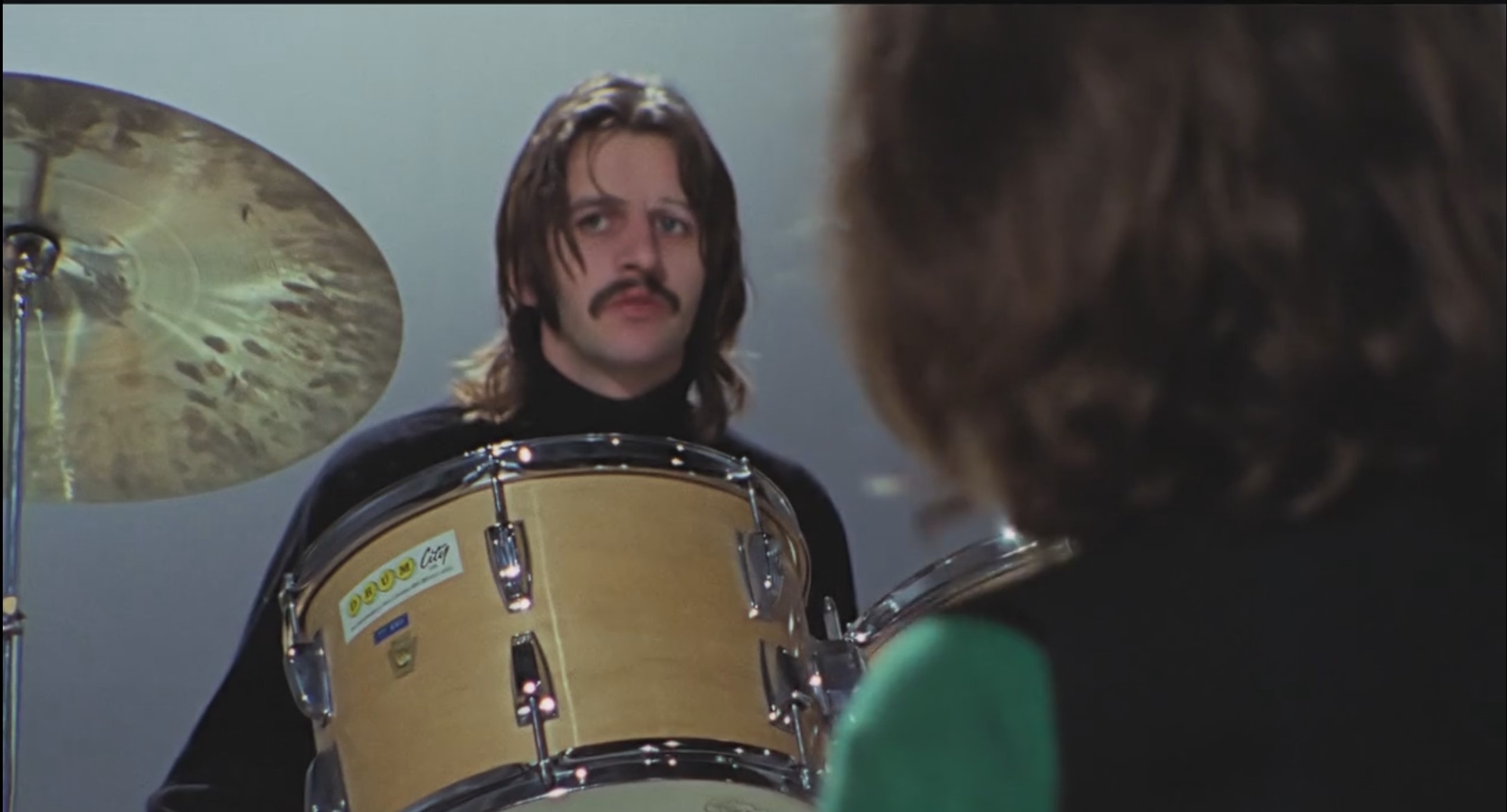
1 – 15:28 — John’s propensity for wordplay twists the title of his section of “I’ve Got A Feeling” from “Everybody Had A Hard Year” to “Everybody Had A Hard-On.” Paul adds to it “…except me and my monkey,” referring to the White Album song. John’s delighted smile when Paul nails the punchline is one of my favorite moments. (And the Beatles were nothing if not self-referential. They knew their own history very well and were fond of reminiscing, at least at that point.)

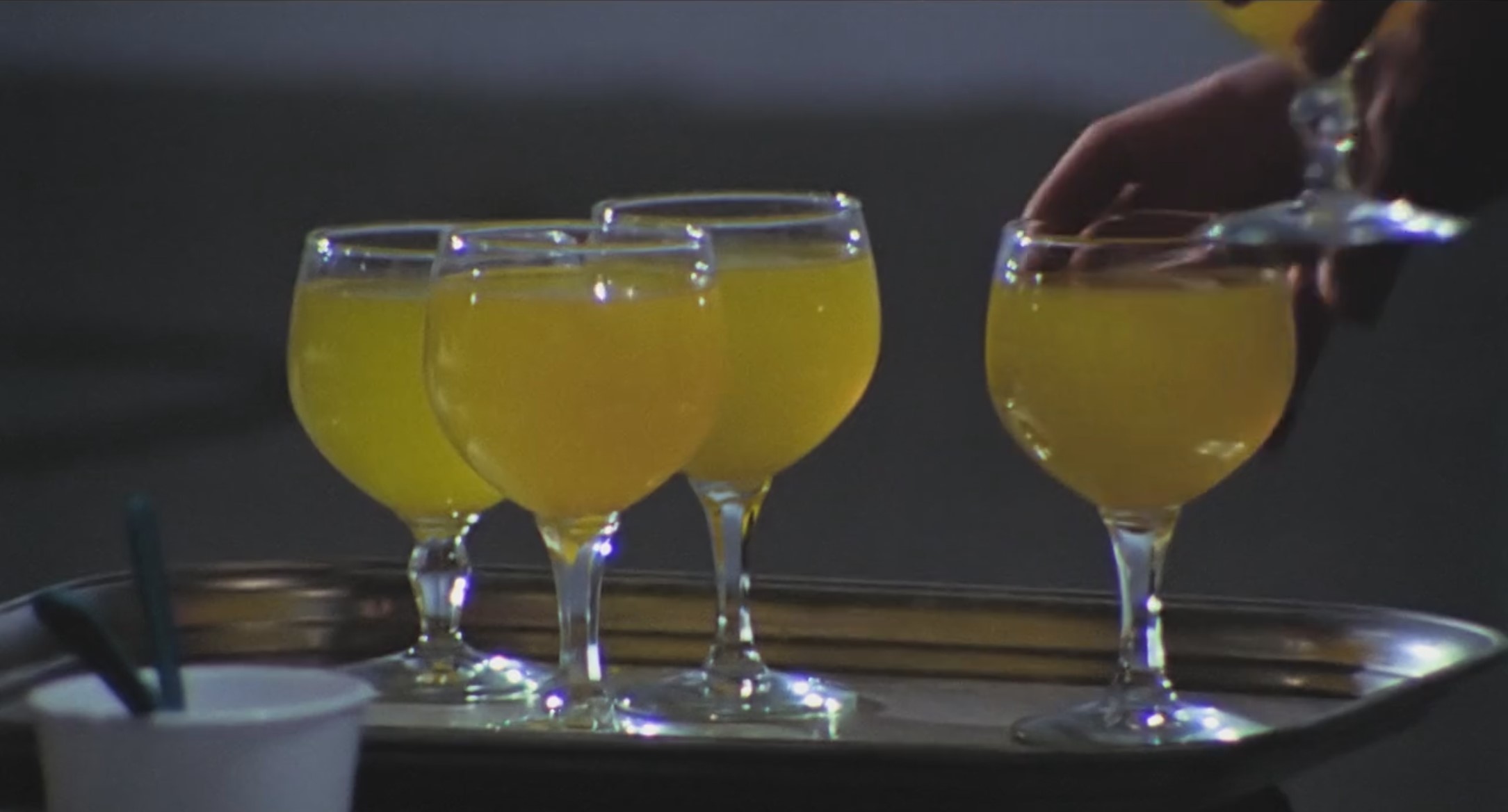
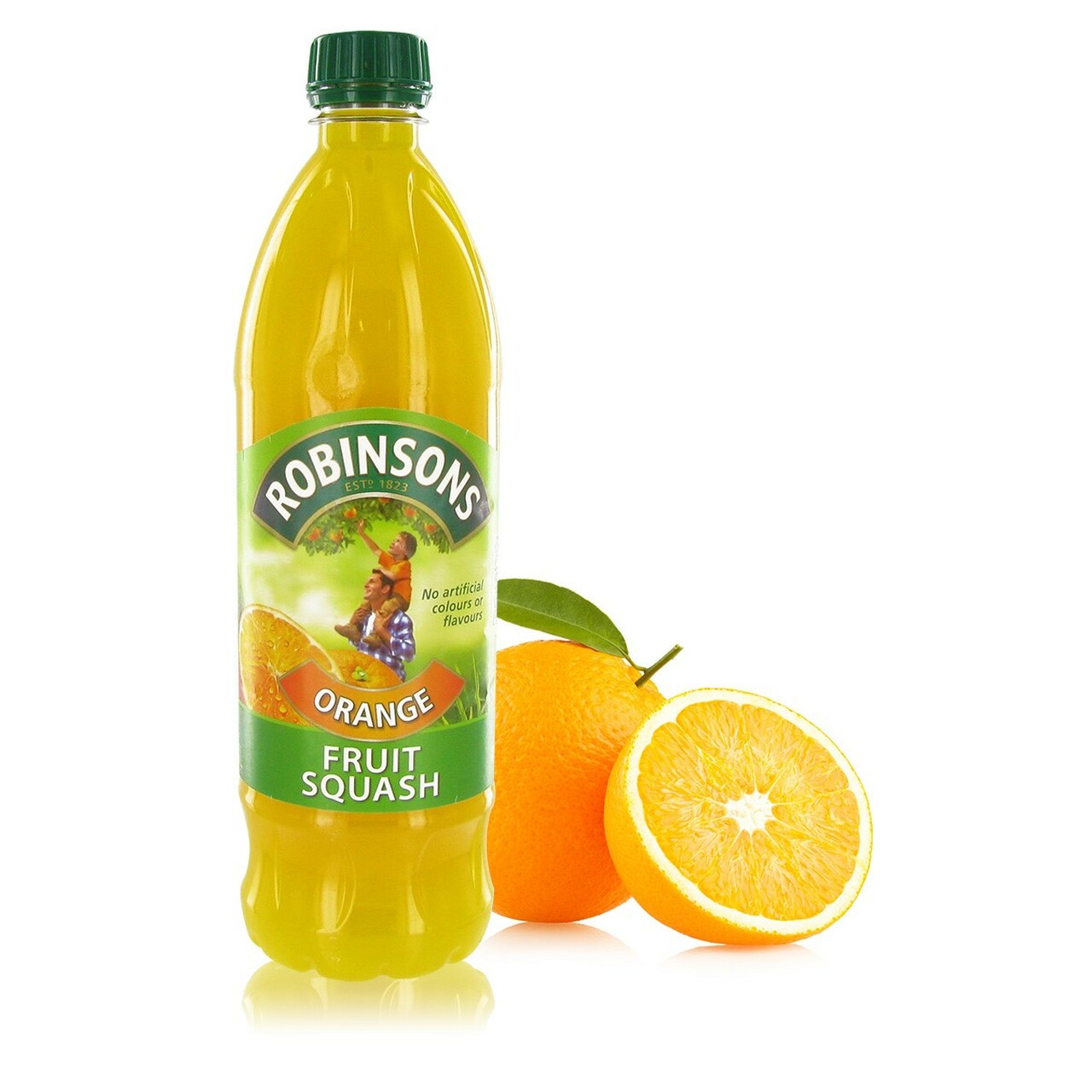
1 – 17:42 — Assistant roadie Kevin Harrington distributes orange drinks. Too thin and translucent to be orange juice, not fizzy enough to be mimosas or proper orange soda, this must be one of those weird British drinks that they seem to enjoy as flat and tepid as possible. My guess is it’s “orange squash” of the type made by British brand Robinsons. (It may also have been spiked with a little vodka. Although not heard in Jackson’s film, on the original Twickenham audio tapes recorded by the film crew, it’s right at this time George says something about a “screwdriver.” Most people who’ve heard this take it literally as George talking about a tool to adjust his guitar(?), but I prefer to think George is referring to a little mid-morning eye-opener*.)
1 – 18:44 — Paul seems to have taken up cigar-smoking, probably under the influence of director Michael Lindsay-Hogg, who was seen puffing on one in the opening few minutes, and perhaps brought a box to share. Paul’s cigar habit did not seem to last beyond the “Get Back” sessions, and even by the time they switched over to their Apple studio, he was mostly back to cigarettes (with one or two exceptions).

1 – 19:28 — George waves off a tray of sandwiches, presumably ham and/or roast beef, saying “we don’t eat these.” He’s either facetiously referring to himself with the royal “we,” having been a vegetarian for a while at this point, or referring to himself along with John and Yoko, who stick to a Japanese macrobiotic diet. George does graciously offer a sandwich to Paul, who is still a few years away from going veggie himself, before they’re whisked away by one of the army of people who are hanging around off to the side of the action.
1 – 19:33 — A cutaway to the supplement/dessert for the sandwiches, now their only snack option: a tray full of, in John’s words, “dry buns” and what appear to be currant or chocolate chip scones. There’s something chocolate-covered, and something cream-filled, but…the Twickenham commissary whiffed it on this one. The tray rests on the drum riser incongruously next to a copy of the Robert Johnson album King of the Delta Blues Singers, a compilation released in 1961, and a major influence on the early British R&B scene. Eventually, the snack of choice for the sessions ends up as toast. So. Much. Toast.


1 – 21:18 — Lindsay-Hogg rather tastelessly jokes that Paul should get a wide-brimmed hat and grow payot (the ringlet sideburns) to go with his black beard, implying that he looks like a Hasidic Jew. “That way we could do [the show] in Israel!” Paul is quite clearly not amused. (Many have remarked on Lindsay-Hogg’s talent for putting his foot in his mouth and not realizing it at all. I know I’m in the minority, but I actually grew kind of fond of Lindsay-Hogg and his upper-class twittery.)
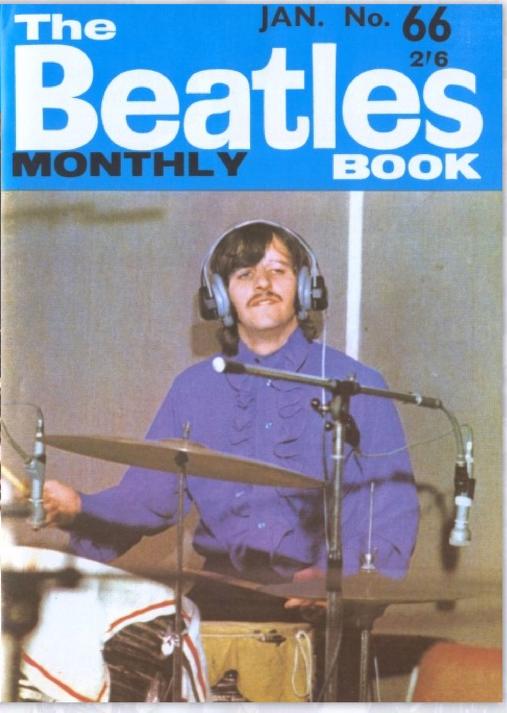
1 – 23:45 — George cracks open the new issue (#66) of The Beatles (Monthly) Book. This was the official fan magazine of the group, established in August of 1963 by publisher Sean O’Mahoney. The Beatles Book issues are now hugely valuable to researchers, as they contain tons of exclusive features, essays, and interviews unavailable anywhere else, written as events were actually happening, before fading memories and the patina of legend hampered secondary historical sources. Issue #66 (January 1969) contained a look back at how the Beatles spent all their New Year’s Days going back to 1962, an account of George’s visit to the U.S. the previous fall written by roadie Mal Evans (who had gone with him), and other bits and pieces. (#77 — December 1969 — was the final original issue, although it has been periodically revived.)

1 – 29:55 — George’s seemingly random remark — “The Animals reunited” — is true. The British R&B band’s original incarnation ended in December of 1966, but they reunited for a single charity show in their hometown of Newcastle a few weeks before the “Get Back” sessions.
1 – 37:05 — The arrival of the Lowrey Heritage DSO-1 organ. George was very much inspired by The Band at this time, which had a Lowrey-heavy sound, so it may have been trucked in at his suggestion. However, the Beatles were no stranger to the Lowrey — it was the organ on “Lucy In The Sky With Diamonds” (set up to sound like a celeste).

1 – 48:10 — For the first time, the idea of adding a fifth instrumentalist to the line-up is mentioned. Since the idea was to have no overdubs on these songs, an extra pair of hands, especially on keyboards, would fill out the sound. (Session pianist Nicky Hopkins, who had played on “Revolution,” is suggested.)
1 – 50:56 — John and Paul take each other’s musical critiques quite well. Paul repeatedly calls the chord changes in “Don’t Let Me Down” “corny” (in this context meaning “clichéd”), and says that the lyrics “aren’t that good.” John simply nods and agrees that the song needs more work. (John bristles more at George’s criticisms, however, but George is blunter, calling the song “shit” at one point.)
1 – 51:11 — As they continue to work out the arrangement of “Don’t Let Me Down,” they are adding some misguided call-and-response backing vocals. One thing I’ve noticed when listening to Beatles outtakes and works in progress is that they always seem tempted to over-complicate, and add frills and filigrees as they work their way through the song. They explore every option. Once it’s out of their system and they’re confident in the basic arrangement, they strip all that away and the final released version is perfect.
1 – 1:13:41 — The first appearance of the Fender VI six-string bass. Like the Bassman amplifier, it was “gifted” to the Beatles by Fender as part of a marketing push. It was first seen when George Harrison wielded it during the “Hey Jude” promo film (although he didn’t play it on the actual recording).

When the “Get Back” sessions rolled around, the band found themselves in a conundrum. Paul was both the Beatles’ bass guitarist and main pianist. In an ordinary recording session, this was no problem. He would just play one on the basic track and overdub the other later. But their current project had a “no overdubs” rule, and a couple of McCartney’s new songs were heavily piano-based. What to do? Enter the Fender VI. With its six strings, it felt familiar and comfortable to a traditional guitarist like John or George, and could produce some nice, rounded bass tones, especially when played through the Bassman amp. So during Paul’s “piano” songs (“Let It Be” and “The Long And Winding Road” specifically), John strapped on the Fender VI. (He’s not the steadiest of bassists, and later jokingly laments he was only given “two notes” on “Let It Be.”)

1 – 1:17:32 — It didn’t take long to realize the band simply did not have enough new material for the “Get Back” project. They had already dredged up one of John’s pre-Beatles teenage compositions (“One After 909”) to good effect, but they were still scrambling. Then they remembered John’s very pretty “Across The Universe” from an early ‘68 session. The song had sort of fallen through the cracks, and was given away to be included on a charity compilation album for the World Wildlife Fund. Then the charity album itself sort of fell through the cracks as well. “Across The Universe” was ripe for rediscovering…but no one could remember quite how it went. The only copy of the song they had was an acetate demo disc. Someone arranged to have a small portable record player delivered to Twickenham so they could play the disc and re-learn the song. If you’re the Beatles, simply ask for something — anything — and odds are it will be delivered on a silver platter in a matter of hours, or less. (The charity album eventually came out in December 1969, adapting a line from Lennon’s song as its title — No One’s Gonna Change Our World.)


1 – 1:22:08 — In January of 1969, there were really only three television channels in England. BBC1, BBC2, and whatever your regional independent “ITV” station was. (In the London area this was Thames Television beginning in 1968.) So viewing options were limited. Chatter on Beatles studio outtakes reveal that, if they’d had the previous night off, that night’s television programs were a favorite topic of conversation, since they were dedicated telly-watchers and odds were they’d all watched the same thing. George came in at the start of this day’s rehearsal with a new song about human ego, “I Me Mine,” inspired by a pair of shows he’d watched. As he described one of them in detail — an episode of the sci-fi anthology series Out Of The Unknown — it started to dawn on me that this was the exact same plot as the 1992 mega-turkey Freejack, starring Emilio Estevez and the Beatles’ friend Mick Jagger. (Both the episode and Freejack were based on the 1959 novel Immortality, Inc. by Robert Sheckley.) Yes, I saw Freejack in the theater back in the day.

NOTE: Unlike John, who had a bad case of writer’s block during these sessions, George had been quite prolific, at a rate of almost a song a day. Much has been made of John and Paul’s dismissal of George’s songs at this point, but he had been creating deliberately delicate, down-tempo, contemplative numbers that — by his own admission — were completely unsuitable for the type of live show they were attempting.
1 – 1:25:46 — John’s writer’s block is addressed in a kidding-but-not-kidding exchange between him and Paul as they test microphones. (John: “When I’m up against the wall, Paul, you’ll find I’m at my best.” Paul: “I wish you’d come up with the goods.” John: “Look, I think I’ve got Sunday off.”)
Continue reading Holy Bee of Ephesus
